A safer, smoother lot, without tearing everything out
Uneven concrete in a parking lot is more than an eyesore. In Denver, small slab changes can turn into big problems fast: trip hazards near entrances, puddling that refreezes overnight, cracked panels that spread, and frustrated customers who notice the “rough” experience before they ever walk through your door.AAA Concrete Raising helps property owners across the Denver metro restore sunken or settled slabs with minimally invasive concrete leveling techniques designed to stabilize the base, lift the panel, and bring the surface back into service, often with far less downtime than full replacement.
Why parking lot slabs sink in Denver (and why it keeps coming back)
Denver’s Front Range conditions can be hard on concrete. Settlement usually isn’t caused by “bad concrete”, it’s caused by what’s happening under the slab. Common local drivers include: Expansive clay soils (shrink/swell): Many Colorado soils contain clay minerals that expand when wet and shrink when dry. That cycle can move slabs, crack panels, and create uneven transitions. Erosion and voids: Water migrating below the slab (downspouts, poor drainage, leaking irrigation, broken lines) can wash out supporting soils and leave air pockets that the concrete eventually drops into. Freeze–thaw cycles: Moisture in joints, cracks, and subgrade can freeze, expand, and worsen surface damage over time, especially where water pools and refreezes repeatedly. Heavy loads and repetitive traffic: Delivery zones, dumpsters, and high-turnover parking stalls can stress weak subgrade and accelerate settlement.Trip hazards and accessibility: the “small bump” that isn’t small
If your parking lot sidewalk route (or walkway to an entry) has a vertical lip, it can create real accessibility concerns. For accessible routes, the ADA standards address changes in level: up to 1/4 inch can be vertical; between 1/4 inch and 1/2 inch must be beveled (max 1:2 slope); and changes over 1/2 inch generally require a ramp-compliant treatment.Even when the area isn’t an “ADA route” in the strictest sense, uneven concrete can still increase risk and complaints. From a facilities perspective, concrete leveling is often one of the most practical ways to remove abrupt transitions without replacing entire panels.
Did you know? Quick facts parking lot owners appreciate
Water is a multiplier. When a low spot forms, it collects more water, which accelerates subgrade weakening and freeze–thaw damage. Leveling often restores drainage. Re-lifting settled slabs can help water move where it should, away from entries, loading doors, and pedestrian routes. Not all “uneven” slabs are settling. Some concrete heaves upward due to soil expansion or freezing; that may call for a different approach than lifting.A practical comparison: leveling vs. replacement (and what to expect)
| Option | Best for | Downtime / disruption | Common limitations |
|---|---|---|---|
| Concrete leveling (mudjacking / slab lifting) | Sunken panels, voids, minor-to-moderate settlement, restoring transitions and drainage | Typically, less demolition; targeted work zones | Not ideal if concrete is severely shattered, missing sections, or base issues are unaddressed (ongoing washout/leaks) |
| Full panel replacement | Failed concrete, extensive spalling, major structural breakup, reconfiguring layout/slope | Higher disruption; sawcutting, removal, forming, and cure time | More cost, more time, and more impact to business access |
What a good parking lot concrete leveling plan looks like
For commercial and multi-family properties, the goal is bigger than “make it look flat.” A smart plan improves safety, preserves curb appeal, and reduces repeat movement. 1) Identify the causeWe look for signs of washout, poor drainage, downspout discharge, joint failure, or leaking lines that could keep undermining the slab. 2) Stabilize voids before lifting spreads
When voids exist, filling them matters. Otherwise, the slab may be “up,” but still unsupported. 3) Lift to match transitions
Parking lot repairs often focus on panel edges: sidewalks, curb returns, entrances, loading areas, and pedestrian crossings. 4) Protect the investment
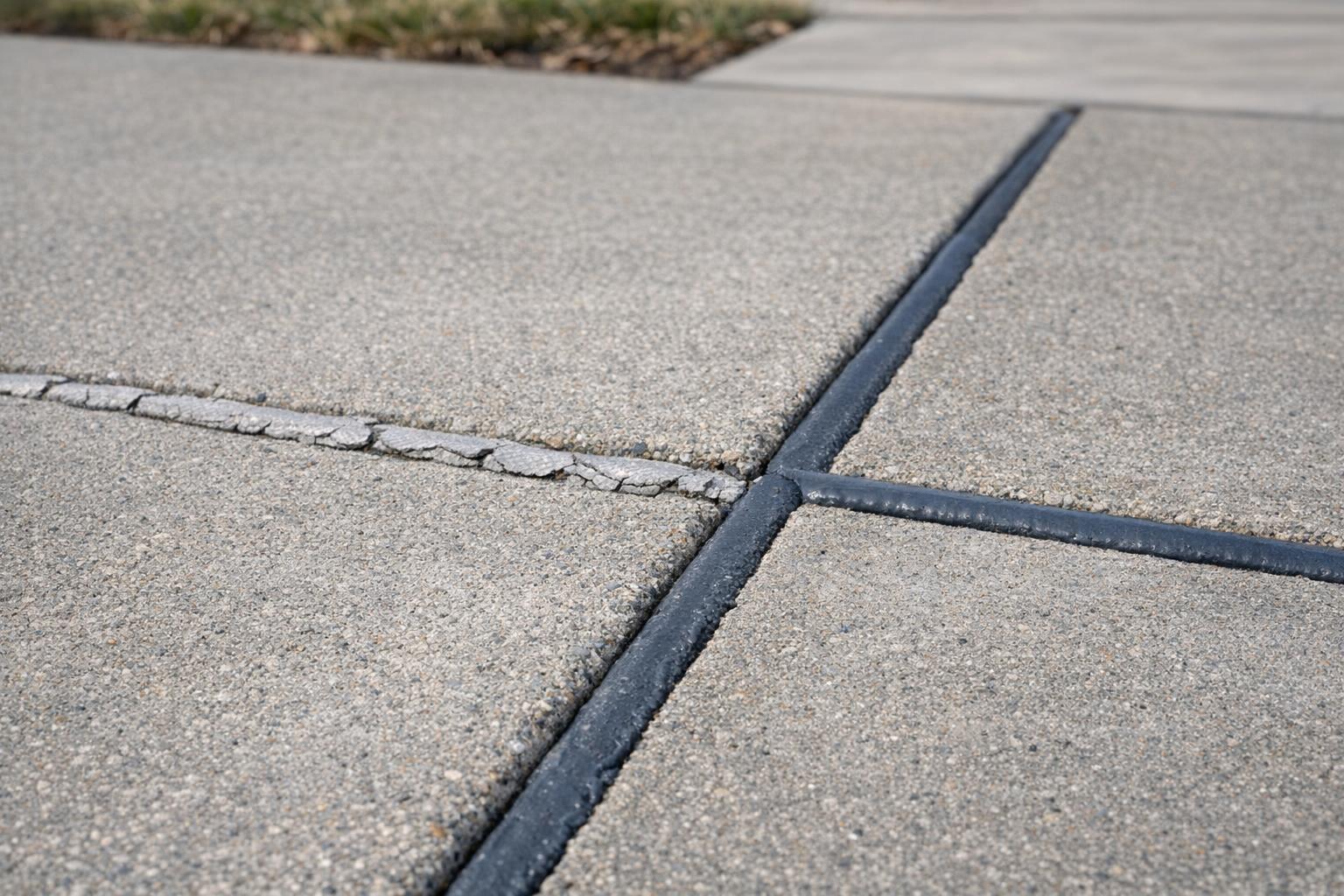
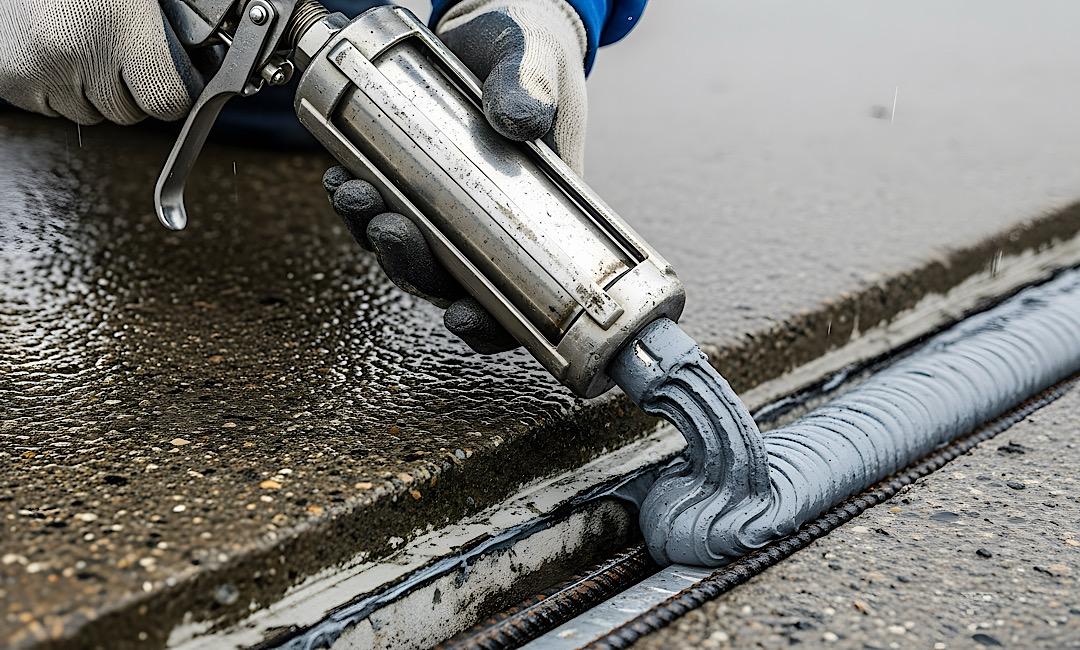
After leveling, many properties benefit from keeping water away from the slab edge and maintaining joints/cracks so water isn’t driven below the surface again. If washout or empty pockets are part of the issue, our void fill service is designed to address soil erosion under concrete and help reduce ongoing settlement.
Local angle: what Denver property owners should watch for
Around Denver, we commonly see slab movement tied to seasonal moisture swings and clay-rich soils. (coloradogeologicalsurvey.org) If your lot has: Frequent puddles near entries (especially where they refreeze), Stair-step slab edges along pedestrian routes, New cracks radiating from joints or corners, Downspouts dumping at slab edges or evidence of washout,It’s worth addressing early. Parking lot concrete leveling in Denver is often most cost-effective when the slab is still intact and the subgrade issue can be corrected before multiple panels start moving.
For examples of the kinds of results concrete lifting can achieve, you can also browse our concrete leveling portfolio.