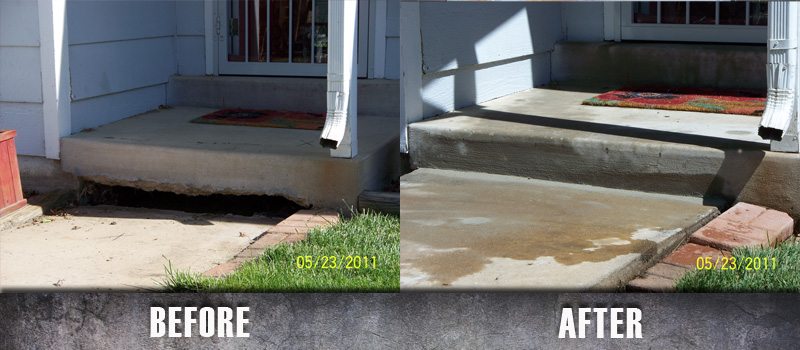
A sunken driveway is a soil problem wearing a concrete disguise
Driveway leveling is core work for us, and we've been doing it across the Denver metro since 1988. The slab itself is almost never the problem. Colorado clay is. It swells when it's wet, shrinks when it's dry, and after a few seasons of that cycle the soil under your driveway isn't where the builder left it. The slab follows the soil down.
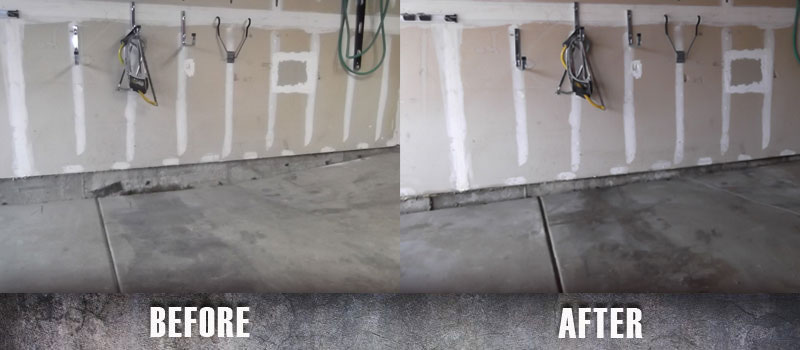
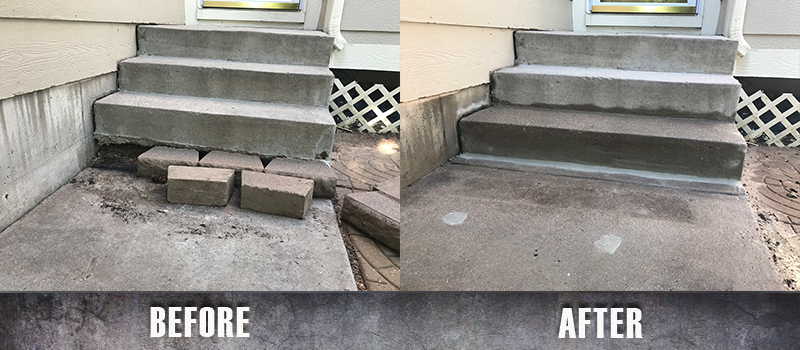
You'll notice it in one of three places first. The apron drops where the driveway meets the street. The panel in front of the garage door tips and opens a gap under the weatherstrip. Or a single slab under a downspout settles while its neighbors stay put. We see the same three patterns from Golden to Thornton, and they all have the same fix: put material back under the slab and lift it to grade.
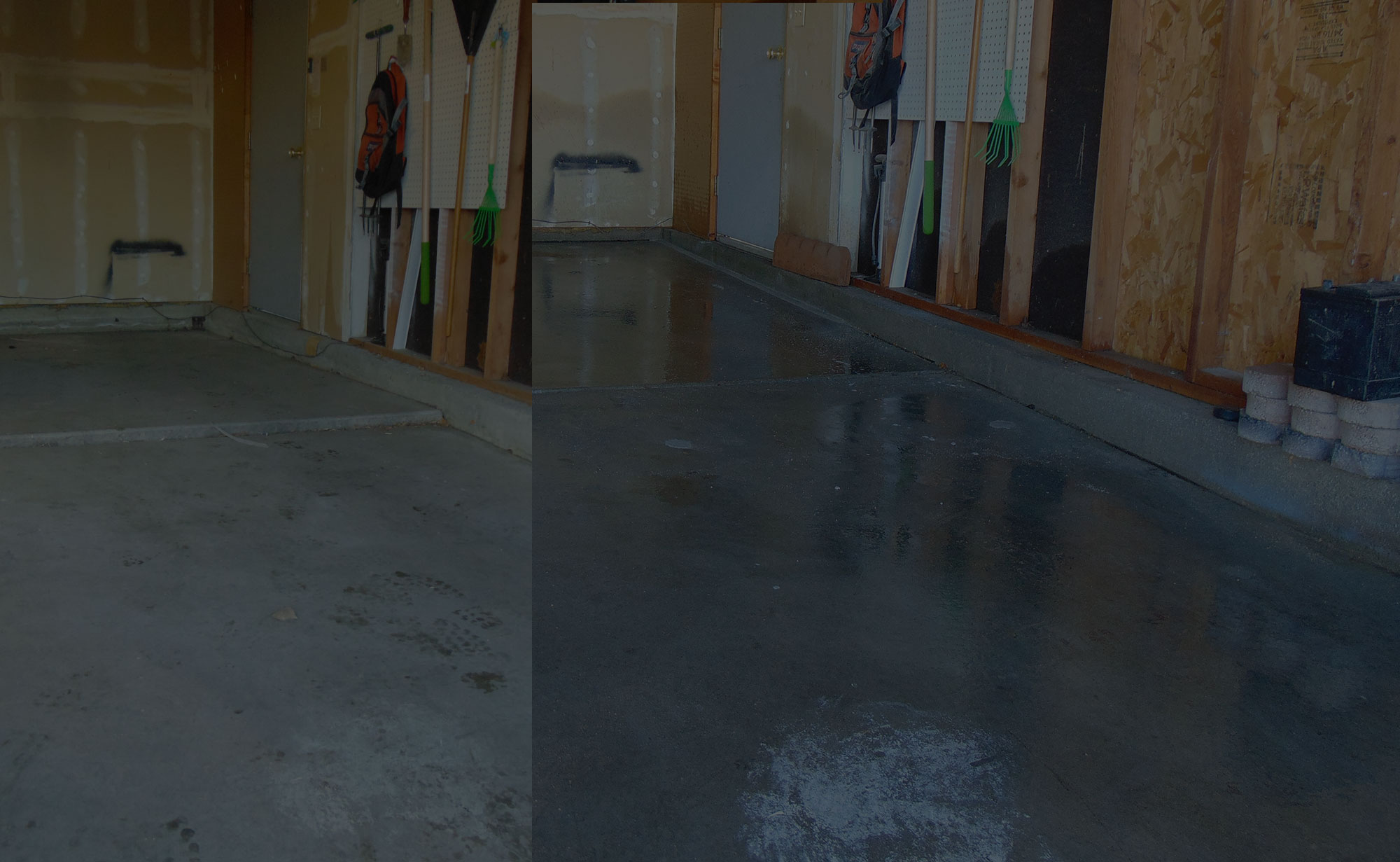
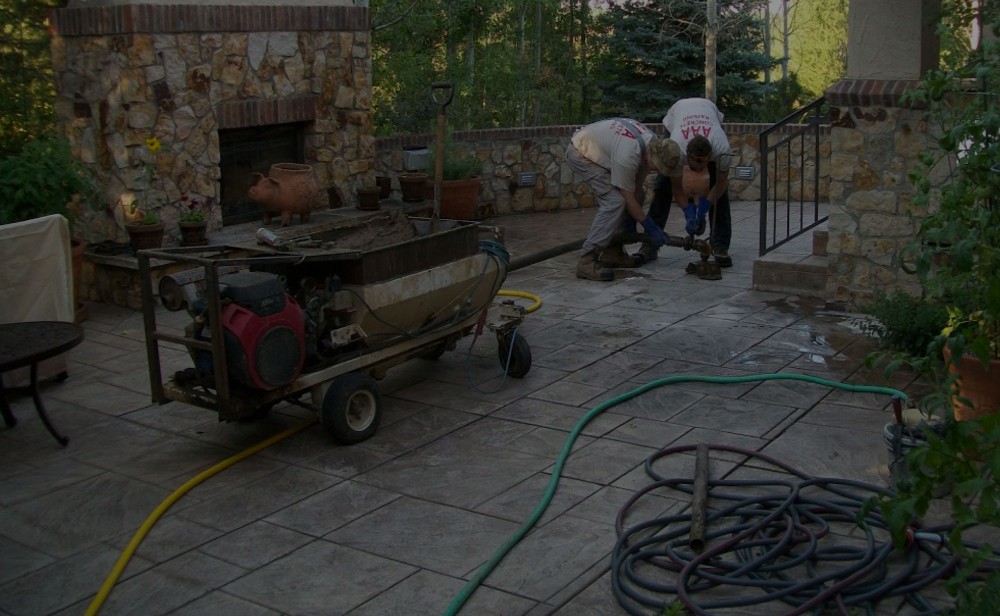
That's mudjacking. We drill 1-1/2" holes through the low slab, normally spaced about 4 to 6 feet apart, and pump a slurry of water and sandy loam soil underneath. The slurry fills the washed-out void, the slab rises back to grade a little at a time, and the holes get patched flush. No demolition, no forms, no new concrete curing to a different color than the rest of your driveway.
What driveway leveling costs in Denver
Every quote is done in person, and the estimate is free. Site conditions set the price, which is why we don't publish a rate card: two driveways that look alike from the street can hide very different voids underneath. For a general yardstick, HomeAdvisor puts a typical residential mudjacking job at $300 to $2,500 or more, with a national average around $950. Full slab replacement runs far past that once demolition, haul-off, and new concrete are counted, which is the whole argument for lifting a slab that's still worth saving.
Three things move the number on any given driveway:
- How far the slab has dropped. A half-inch settle at the apron takes less material than a driveway that's several inches low at the garage. For reference, mudjacking can raise a slab up to 12 inches.
- The size of the void. We're filling empty space with slurry, so a long-running washout under several panels takes more material than a single soft corner.
- Access and site conditions. Trevor sizes all of it up when he walks the driveway with you.
The estimate is free and the quote comes in writing. If you want the deeper math on the method itself, we wrote up what mudjacking costs and how long it lasts on the blog.
Lift it or replace it: the honest test
Not every driveway should be lifted, and we'd rather lose a job than lift a slab that won't hold. The rules we quote by are simple:
- Slab intact, in good shape, at least 24 inches wide, just sitting low? Lift it. That's the textbook mudjacking candidate.
- Cracking at the garage edge but the panel hasn't dropped much yet? Get it looked at now. That cracking often means the soil has washed out and the slab is hanging on its edges. Waiting can turn a lift into a replacement.
- Concrete that's 40 to 50 years old? Usually replace it. Old concrete has spent its service life, and new height under a failing slab is money wasted. We'll tell you that in the driveway, for free.
One more thing worth checking: the downspout. Most sunken driveway panels sit under a roof drain that's been dumping water at the slab edge for years. We'll lift the slab either way, but extend that downspout well past the slab edge and the repair stops fighting the thing that caused it.
What the day of the job looks like
The pump we use is portable, with a short hose, and it comes to the slab. That's a deliberate choice. Some outfits park a rig at the street and run a long hose across your property, which locks them into whatever mix will survive the trip through all that hose. Our portable pump lets us batch the slurry to the thickness your slab actually needs, job by job, and push it exactly where the void is until every pocket is full.
The truck matters too. Ours carries up to 10 yards of material, about two times what other contractors bring. A crew that runs out of slurry mid-lift leaves your slab half-raised while they go refill, and it settles unevenly in the meantime. We don't run out. We finish the lift, patch the holes with concrete, and clean up. As for when you can walk and drive on it: cure times depend on the mix and the weather, and Trevor will give you the real answer for your slab at the estimate instead of a slogan.
Why we still pump concrete slurry instead of foam
You'll find plenty of contractors pushing polyurethane foam for driveway work. Foam has real uses: thin slabs, indoor floors, spots a truck can't reach. But foam is a light material and cured slurry is heavy, dense fill, far heavier than foam. Under an exterior driveway sitting on Front Range clay, heavy fill holds and light fill is gambling. The full side-by-side is in the comparison table below, and the longer version is in our mudjacking vs. poly foam write-up.
Sunken concrete rarely stops at the driveway. While we're out there, Trevor will look at your sidewalk panels and patio too, and you can see finished lifts from around the metro on our work page. If spring thaw is coming, read how to get your driveway ready before the melt finds the voids for you.