Why joint sealing matters more in Colorado than many homeowners realize
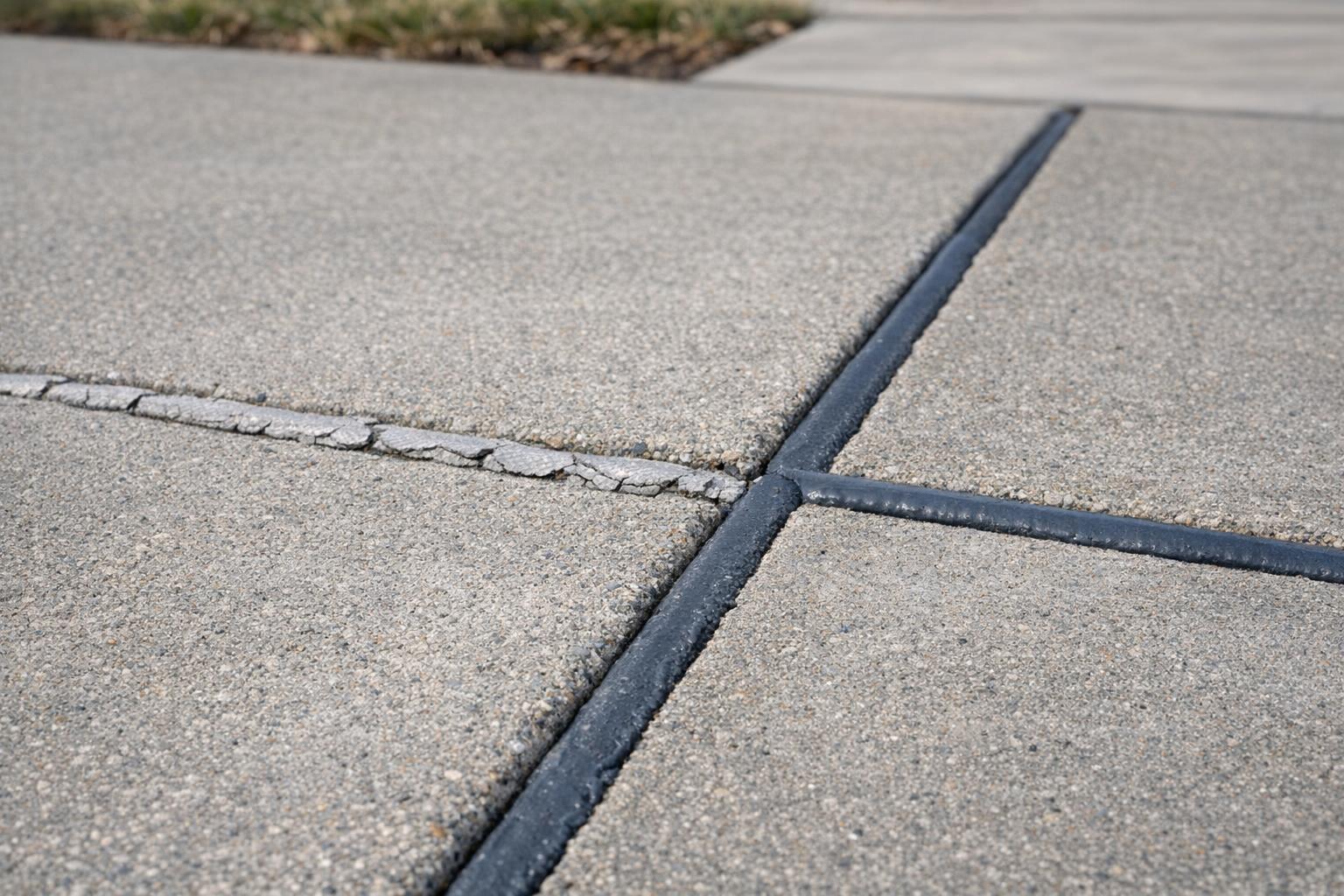
If you’ve noticed widening seams between slabs, crumbling joint edges, or persistent weeds and sand collecting in the gaps, you’re looking at a common Denver-area pattern: moisture gets into open joints, temperatures swing, and freeze-thaw cycles do the rest. Joint sealing is one of the simplest ways to reduce water intrusion, protect slab edges, and help your driveway, patio, sidewalk, or garage approach last longer.
At AAA Concrete Raising, we’ve been stabilizing and lifting concrete in the Denver metro since 1988. Joint sealing won’t replace leveling when a slab has already dropped, but it can be an important “protective layer” that helps slow future erosion and movement, especially after concrete raising or void fill work.
What outdoor concrete joints actually do (and why they fail)
Concrete joints aren’t “mistakes”, they’re intentional. Concrete expands and contracts with temperature changes and moisture conditions. Joints are placed so the slab can move in controlled locations instead of cracking randomly.
The trouble starts when joints become open reservoirs for water and debris. In Denver, that often leads to:
- Freeze-thaw damage: water enters, freezes, expands, and can chip/spall joint edges.
- Soil washout and voids: water migrates under the slab and carries fines away, creating hollow spots.
- Joint edge breakdown: once the edges crumble, the joint gets wider and harder to seal correctly.
- Weeds and insects: open joints collect organic material, encouraging growth and pests.
Where sealing helps most, and where it won’t fix the root issue
Joint sealing is best viewed as preventive maintenance. It helps reduce water entry and debris accumulation, which can slow the conditions that contribute to erosion and movement.
Joint sealing is a good fit when:- Joints are open, but slab panels are still mostly level.
- You want to protect freshly leveled concrete after mudjacking.
- Water sits at joints or runs directly into them during storms/snowmelt.
- A slab has settled and you have a step-up/step-down trip hazard.
- You feel hollow spots or see pumping/movement near joints.
- Cracks are actively widening due to voids underneath.
Did you know? Quick facts Denver homeowners appreciate
Freeze-thaw focuses on the weakest edges Joint edges and crack edges often deteriorate first because they’re thinner, more exposed, and collect water. Backer rod isn’t “extra”, it’s design Backer rod helps control sealant depth and encourages a flexible “hourglass” sealant shape rather than a thick plug. The wrong fill turns movement into damage Rigid materials in a moving joint can cause edge spalling and random cracking because the slabs can’t expand/contract freely.Material choices: what “good” joint sealing looks like
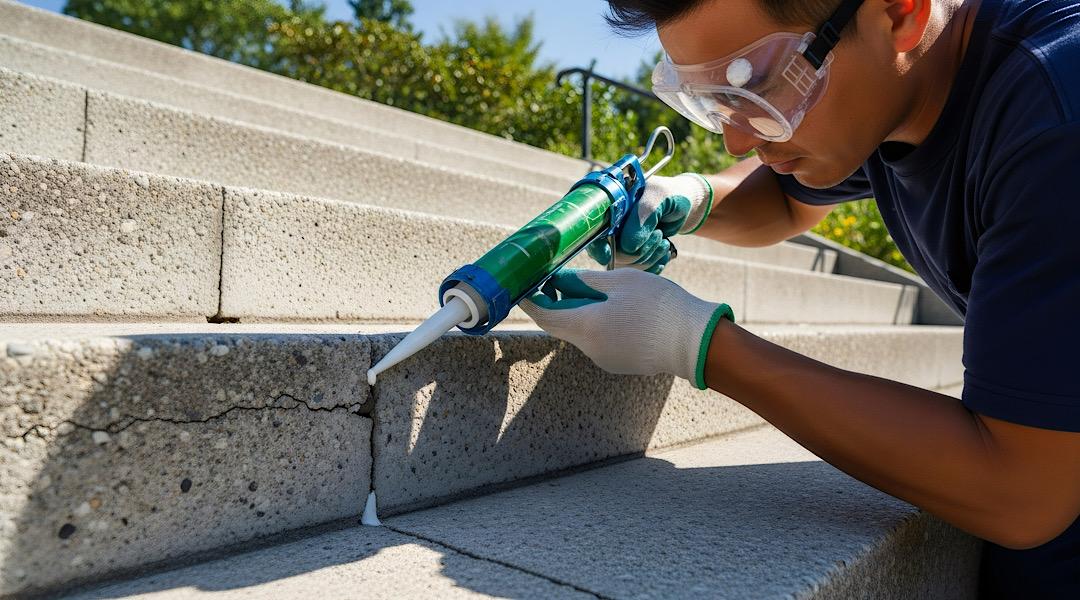
For most exterior flatwork joints around homes, a common professional approach is a closed-cell foam backer rod plus a flexible sealant designed for concrete movement and weather exposure. The goal is adhesion to the sides of the joint (not the bottom), with the sealant sized so it can stretch and compress without peeling.
Depth-to-width “shape factor” matters. Many industry references discuss keeping sealant depth controlled (often shallower than homeowners expect) so the sealant can move. Backer rod is what makes that possible in deeper joints.
| Option | Best for | Pros | Watch-outs |
|---|---|---|---|
| Backer rod + polyurethane sealant | Driveways, sidewalks, patios, slab-to-foundation gaps | Flexible, durable, good adhesion on concrete when prepped | Surface prep is everything; overfilling can cause “3-sided adhesion” and failure |
| Self-leveling joint sealant | Horizontal joints where a smooth finish is preferred | Clean look, fast application in uniform joints | Can run out of sloped joints; needs the right depth control |
| Rigid patch/mortar in a moving joint | Almost never recommended for expansion/movement joints | Hard surface temporarily | Often cracks, debonds, and can accelerate edge damage |
If you’re also dealing with uneven panels, pairing proper sealing with sidewalk leveling, driveway leveling, or patio leveling can help address both the symptom (open joints) and the cause (loss of support beneath the slab).
Step-by-step: how outdoor concrete joint sealing should be approached
1) Identify the joint type (movement joint vs. crack)
A straight, consistent line between slabs is usually a joint. Random lines through a slab are often cracks. Movement joints need a flexible system; random cracks may need different repair methods depending on whether they’re active or dormant.
2) Remove old material completely
Old caulk, sand, weeds, and brittle patch material must come out. If debris remains, the new sealant bonds to dirt instead of concrete, one of the most common causes of early failure.
3) Clean and dry the joint
For outdoor concrete, cleanliness and dryness are deal-breakers. Plan around weather so the joint can dry out after washing. Sealing over damp joint walls can reduce adhesion.
4) Install the correct size backer rod
Backer rod should fit snugly (compressed) so it stays in place and sets your target sealant depth. It also helps prevent the sealant from bonding to the bottom of the joint, which can restrict movement and lead to tearing.
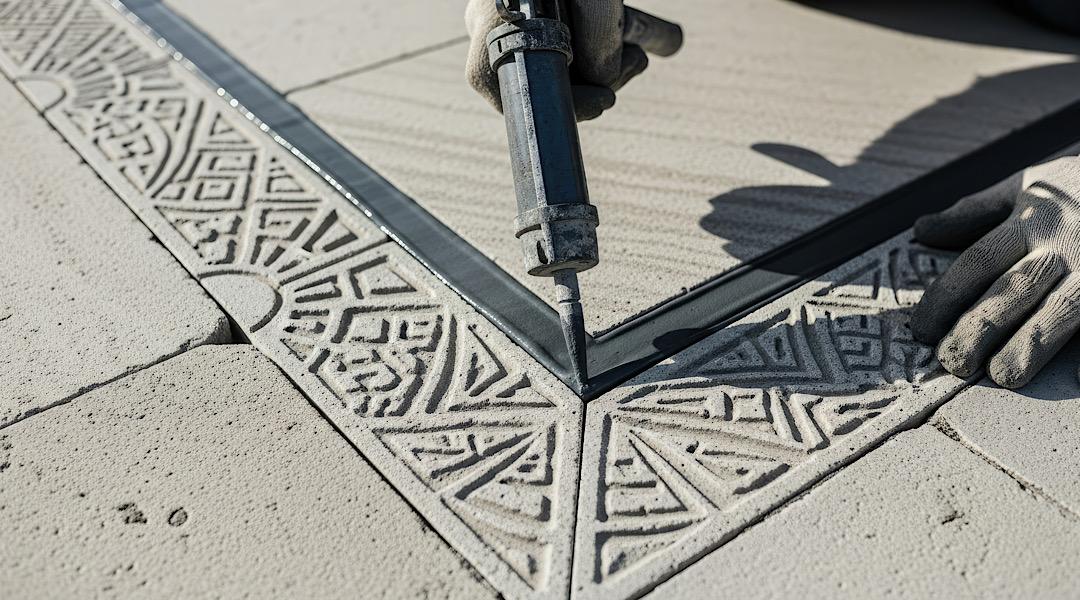
5) Apply sealant with consistent depth and neat edges
Apply at a steady pace to avoid voids. For non-sag sealants, tooling creates a smooth surface and helps press the sealant against joint walls. For self-leveling products, you’ll rely more on careful masking and controlling slopes so it doesn’t run.
6) Respect cure time before traffic and washing
Many sealants skin over fast but take longer to fully cure. Keep foot traffic, sprinklers, and vehicles off the joint until the product is ready, especially important for driveway aprons and garage approaches.
A Denver-specific angle: what local conditions do to slabs and joints
Denver’s rapid temperature swings, sunny winter days, and periodic snowmelt are tough on flatwork. When meltwater runs into open joints, it doesn’t just threaten the joint edges, over time it can contribute to soil erosion beneath the slab, especially near downspouts and low spots.
Three local patterns we see often:
- Driveway settling near the street or garage: water flow and soil consolidation create low points. If your panels are uneven, consider driveway leveling before sealing.
- Sidewalk trip hazards: freeze-thaw and moisture changes can shift panels. We address these with sidewalk and walkway leveling.
- Patios with voids near edges: runoff and irrigation can wash out supporting soils. In those cases, void fill may be part of a long-term fix.
If you’re not sure whether you’re looking at a “maintenance joint sealing” situation or a “support problem,” our project info page can help you understand what mudjacking is designed to solve.
Want a professional opinion on your joints and settling slabs?
If your joints are opening up, edges are crumbling, or water is disappearing under the slab, it may be time for a site-specific plan: lift where needed, stabilize the base, then seal to help protect the repair. Request a Free Quote Get an Estimate View Our WorkFAQ: Outdoor concrete joint sealing in Denver
Should I seal joints before or after mudjacking?
Typically after. If a slab is going to be lifted, it’s best to correct the elevation and support first, then seal joints so the surface finish aligns and the seal stays intact.
Do I need backer rod for every joint?
Not always, but for many outdoor joints, backer rod is what prevents overfilling and helps the sealant flex properly. If the joint is deep enough that you’d be “pouring” sealant into a trench, backer rod is often the difference between a professional result and a short-lived patch.
What causes a sealed joint to peel up or tear?
The most common reasons are poor cleaning, sealing while damp, using the wrong product for movement, or applying sealant too deep so it can’t stretch. Inconsistent joint width and failing concrete edges can also cause adhesion problems.
If my slab is sinking, will joint sealing stop it?
Sealing can reduce water infiltration, which may help slow future erosion, but it won’t restore lost support under the slab. If settlement is already present, look at leveling solutions like garage floor leveling or basement floor leveling depending on where the problem is.
How do I know if water is washing out soil under my concrete?
Warning signs include new low spots, gaps at slab edges, “hollow” sounds, recurring cracking near joints, or soil disappearing near downspouts and slab corners. That’s when an evaluation for stabilization and void fill is worth considering.