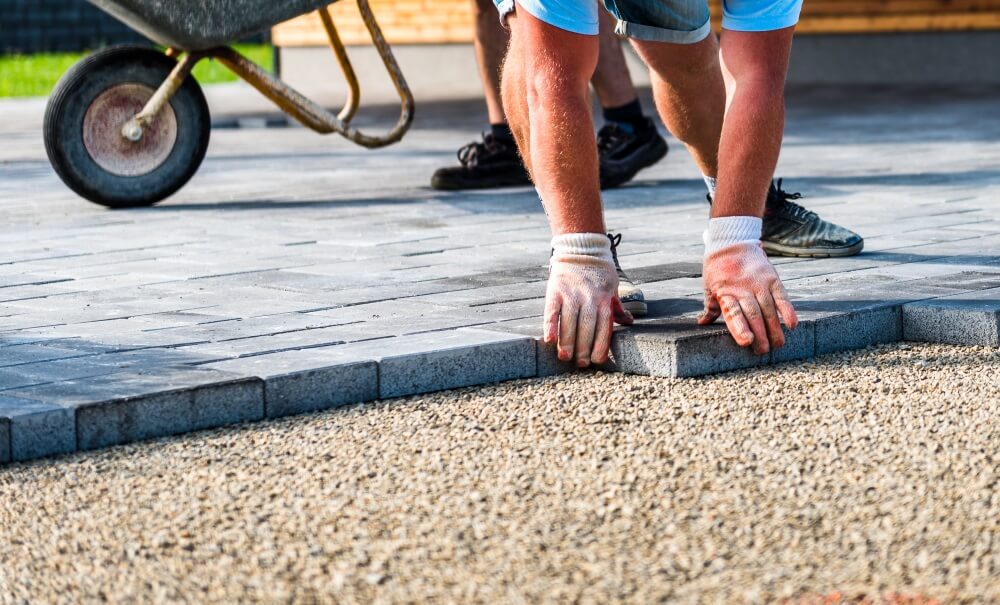
You park on it, your kids play on it, and you even use it as a working space. It may not seem like much, but your home’s driveway is actually an integral part of your property as a whole. Without your driveway you’d be a hillbilly parking your car right in the yard or circling the block a hundred times to find a space.
Since your driveway is an important part of your property, it will need proper care and maintenance to keep it in good shape and to last for years. There is a point where no amount of patches or repairs will fix an old driveway. You will need to replace it.
Replacing your driveway is a serious project, but you will have to take it on at some point. So how often should you replace your driveway? Let’s look into different factors and symptoms to consider so you know when the time has come for a new driveway on your property.
So, How Often Should You Replace Your Driveway?
There are many different materials and many different climates that all play a part in determining how often you should replace your driveway, so there are no specific timeframes.
In general asphalt driveways can last anywhere from 15 to 25 ye犀利士
ars and concrete driveways can last around 25 to 35 years. A driveway may need replacement sooner or later than these timeframes, but this is a general rule.
To best know when it’s time to replace your driveway you should look for signs and symptoms rather than age. Let’s consider some of those different signs and symptoms.
Signs a Driveway is Past its Prime
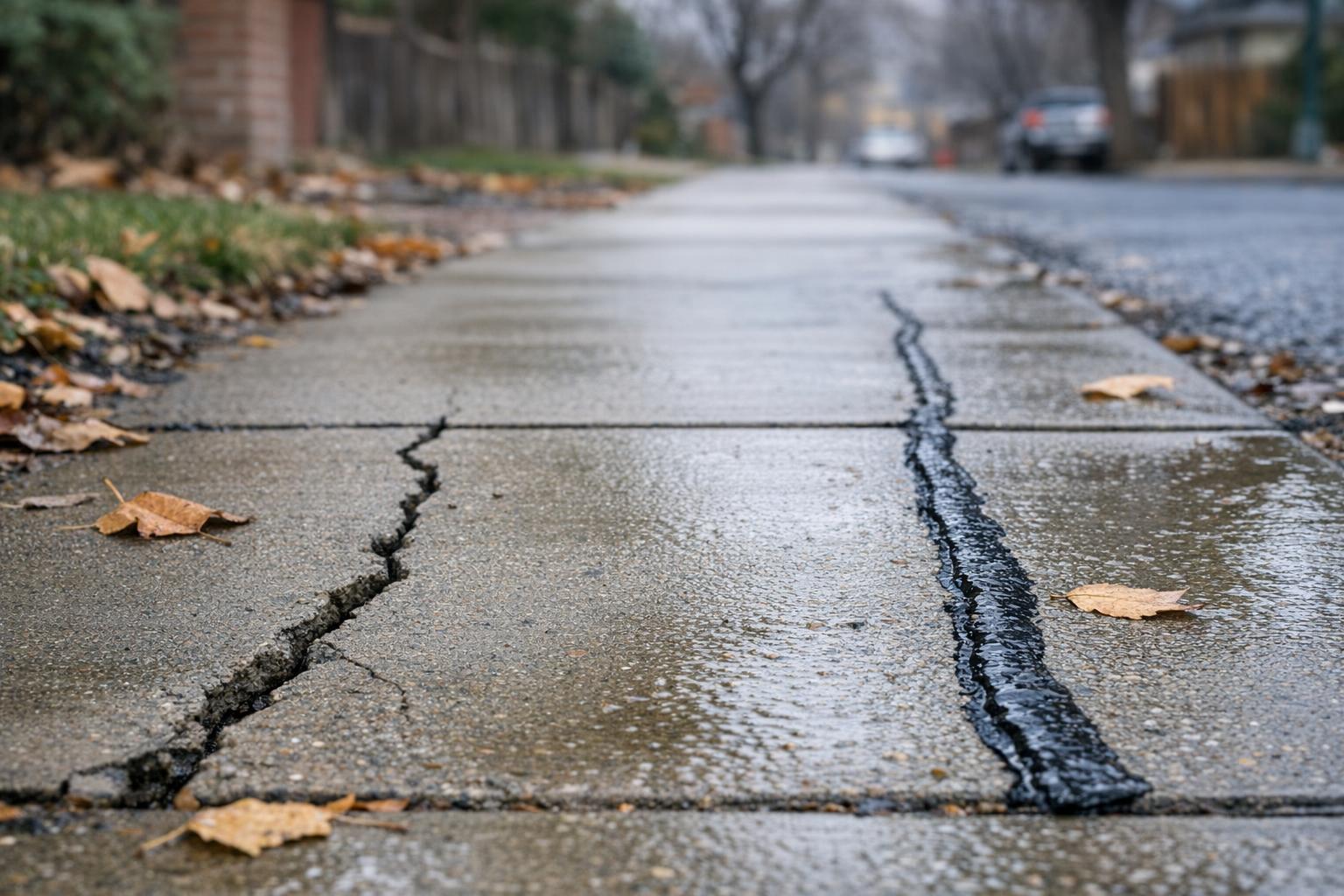
- Cracks, gouges, and other damage become more frequent. If a new crack seems to pop up every time you’ve patched another, it’s likely time to consider a replacement.
- If you’ve resealed your driveway but noticed it loses its sheen quickly, you may pass the point of resealing. When a driveway gives an outwardly dull appearance, it’s likely past its prime.
- Large cracks, potholes, gouges, or other large-scale damage may mean your whole driveway needs to be replaced.
To gauge where your driveway stands its best to consult a professional. Call AAA Concrete Raising to assess the condition of your current driveway, and whether it has served its life.
Driveway Replacement FAQs
As a general rule, asphalt driveways last anywhere from 15 to 25 years while concrete driveways can last around 25 to 35 years, though actual lifespan varies based on climate, materials, and maintenance. Rather than going strictly by age, it's better to watch for signs and symptoms that indicate your driveway is past its prime.
Key warning signs include cracks and damage appearing more frequently even after patching, a dull appearance that persists even after resealing, and large-scale damage like potholes or deep gouges that go beyond what surface repairs can fix. When problems keep coming back faster than you can address them, replacement is likely the smarter investment.
Every driveway reaches a point where no amount of patching or resealing can restore it to a safe and functional condition, and replacement becomes the only viable option. Continuing to repair a driveway that has passed its useful life ends up costing more in the long run than simply starting fresh.
When a driveway quickly loses its sheen after resealing and takes on a consistently dull appearance, it's a sign that the surface has degraded beyond the point where sealing can be effective. This is one of the clearer indicators that the driveway may be nearing the end of its lifespan.
The most reliable way to assess whether your driveway has run its course is to have a concrete professional evaluate it in person. A company like AAA Concrete Raising can inspect the current condition of your driveway and give you an honest assessment of whether repair or full replacement is the right path forward.