A smarter way to restore sidewalks, driveways, patios, and garage floors, without tearing them out
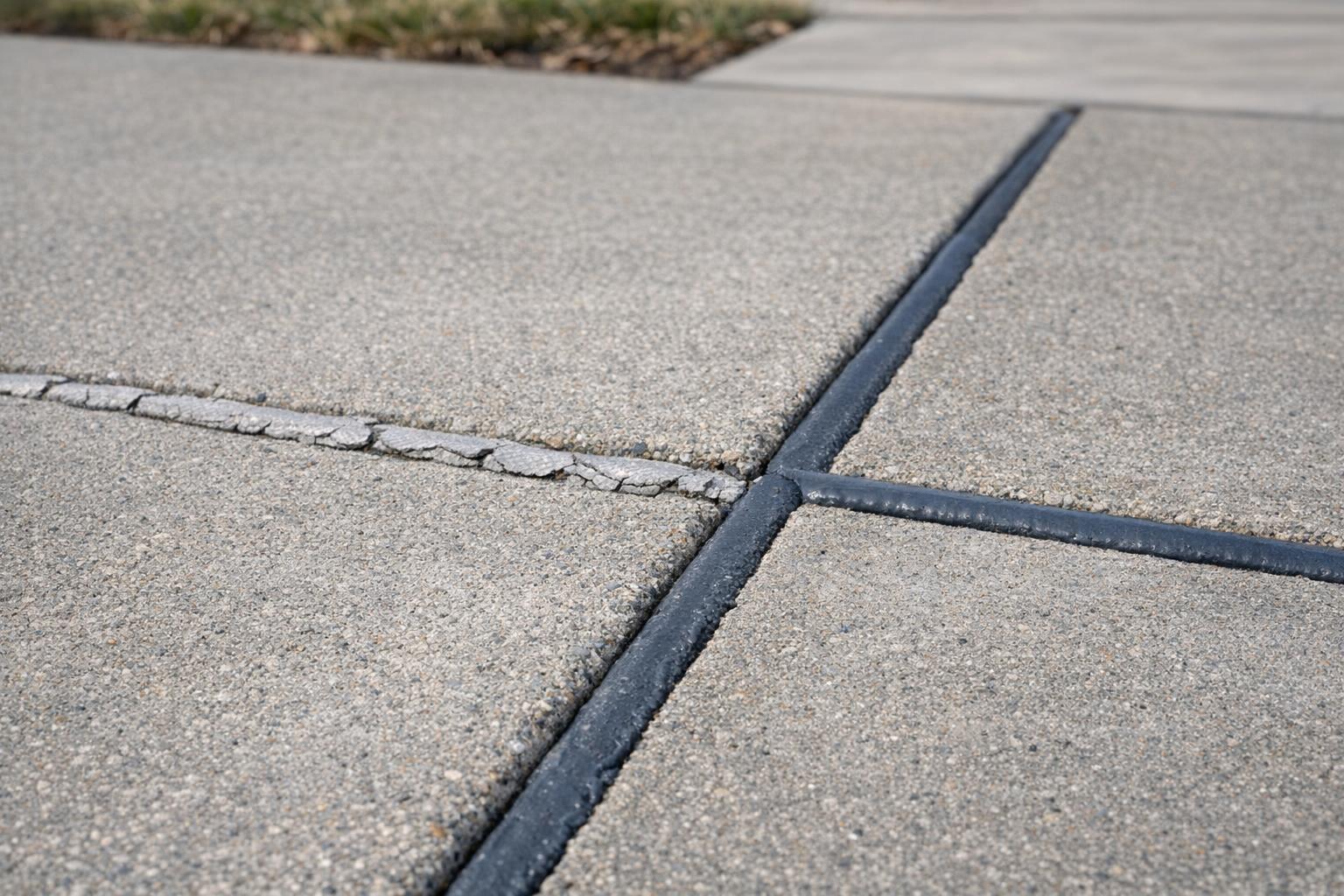
Denver homeowners and property managers deal with a very specific kind of frustration: concrete that looks “fine” one season and suddenly feels uneven the next. A driveway corner dips, a sidewalk panel lifts at the seam, or a patio starts draining toward the house. In the Denver metro, these changes are often tied to soil movement (especially clay-rich soils), moisture swings, and freeze-thaw patterns that stress what’s underneath the slab. When the slab loses support, it can settle, tilt, and crack, creating trip hazards, drainage problems, and an eyesore that’s hard to unsee.
Why is concrete settlement so common around Denver
Concrete is strong in compression, but it depends on consistent support from the soil beneath it. Along Colorado’s Front Range, soil conditions can be challenging: swelling clays can expand when they get wet and shrink as they dry, and frost heave can push soils upward as ice forms in the ground. Over time, that movement can create voids and uneven bearing, exactly what causes slabs to sink or become misaligned.
The 5 most common slab-sinking triggers we see in the Denver metro
1) Expansive clay + moisture swings
Many populated areas in Colorado sit over expansive clay minerals (often associated with bentonite/montmorillonite). When moisture increases, clay can swell; when it dries, it shrinks. That cycle can repeatedly stress slabs and contribute to shifting, cracking, and loss of support over time.
2) Freeze-thaw effects under flatwork
Frost heave happens when ice forms and grows in the soil, pushing upward. Then, as thaw occurs, soils can relax and lose volume/support. The result can be a slab that ends the season in a slightly different position than it started, especially on sidewalks, driveways, and patios.
3) Soil erosion and hidden voids
Water can move soil from under slabs through joints, cracks, utility trenches, or downspouts that concentrate runoff. Even small voids can “stack up” into a slab that suddenly feels hollow at the corner or drops at a seam. When voids are the problem, filling that empty space is just as important as lifting the concrete.
4) Poor drainage and “ponding” near the slab
When water repeatedly pools next to a driveway, patio, or walkway, the soil beneath can soften or migrate. Pooling is also a clue that the slab has already settled enough to change how water flows, so the longer it’s ignored, the faster the problem often grows.
5) Backfilled areas around utilities or additions
Trenches for water/sewer lines, electrical, or exterior remodels are often backfilled soil. If that soil settles over time, the slab above can follow, showing up as a dip, a “hinge” crack, or a sudden lip at the joint.
How mudjacking restores support and levels existing concrete
Mudjacking (also called slabjacking or concrete raising) is a minimally invasive method that lifts and stabilizes sunken concrete by placing a specialized slurry beneath the slab. The goal isn’t just to “push it up”. It’s to rebuild uniform support, fill voids, and return the slab to a safer, more functional grade.
Step-by-step: what to expect during concrete leveling
Step 1: Identify the “why” (not just the low spot)
A good repair starts with diagnosing the support issue, voids, washout, poor drainage, or freeze-thaw movement. Fixing the symptom without addressing the cause is how slabs re-settle.
Step 2: Plan lift points and protection
Small access holes are placed strategically to distribute lift and minimize visible impact. Adjacent surfaces and landscaping edges are protected so the site stays clean and controlled.
Step 3: Fill voids, then lift gradually
The best results come from rebuilding support first. Once the slab is “bearing” again, controlled lifting can bring the surface back toward level and restore drainage patterns.
Step 4: Finish, clean up, and review maintenance
Access holes are patched, the area is cleaned, and you’ll get practical guidance on keeping water from reintroducing voids, like watching downspouts, grading, and early crack sealing.
Did you know? Quick facts Denver property owners should keep in mind
• Frost heave requires below-freezing temperatures, frost-susceptible soils, and water. Remove one of those, and risk drops.
• Expansive clays can exert very large pressures as they swell, enough to crack slabs and distort flatwork.
• For accessible routes, the ADA commonly cited thresholds for “changes in level” are 1/4″ vertical, 1/2″ if beveled, and anything above 1/2″ treated as a ramp/curb ramp.
• Uneven slabs aren’t just cosmetic: trip hazards and drainage problems can become liability and water-management issues if ignored.
Which areas are good candidates for leveling?
Concrete area
Common Denver symptom
Why leveling helps
Sidewalks & walkways
Lifted edges / trip lips
Restores safer transitions and smoother travel
Driveways
Corner settlement, “dip” at garage
Improves drainage and reduces impact on vehicles
Patios
Water running the wrong direction
Helps re-establish slope away from the home
Garage floors
Cracks + uneven transitions
Improves usability and reduces pooling
Basement slabs
Uneven floors and heave/settlement signs
Stabilizes slab support and reduces movement-related stress
Local angle: what makes Denver’s concrete problems feel “sudden”
The Denver metro sits in a semi-arid region where moisture can change quickly: snowmelt, a spring rain, an over-performing sprinkler zone, or a downspout extension that popped loose can all shift soil moisture conditions fast. Pair that with freeze-thaw stress and clay-rich soils, and concrete can go from “mostly fine” to clearly uneven between seasons. When you catch it early, leveling often helps you preserve the slab you already have while restoring safer transitions and better drainage.
Note: If you manage a commercial property, accessibility details matter. The ADA “changes in level” thresholds (¼” vertical; ½” if beveled; above ½” requires ramp treatment) are frequently referenced for accessible routes.
Ready to level your concrete in the Denver metro?
AAA Concrete Raising has been serving Denver-area homeowners since 1988 with durable, minimally invasive mudjacking and slab support. If you’re seeing trip lips, pooling water, or a driveway that’s sinking at the corner, a quick evaluation can clarify the cause and the best repair path.
FAQ: Concrete leveling & mudjacking in Denver
How do I know if my slab needs leveling or full replacement?
If the concrete is largely intact but uneven (sunk, tilted, or separated at joints), leveling is often worth evaluating. If the slab is severely broken into multiple pieces, badly deteriorated, or has major structural issues, replacement may be more appropriate. A site visit can confirm which scenario you’re in.
Is mudjacking messy?
The process uses small access holes and controlled placement under the slab. Good prep and cleanup keep the site tidy, and the goal is to restore function with minimal disruption compared to demolition and repouring.
What causes those hollow spots under my driveway or sidewalk?
Hollow spots are often voids, missing soil support from erosion, settlement, or repeated moisture movement. Addressing voids is a key part of a lasting repair.
How quickly should I fix a trip hazard?
As soon as practical, uneven slabs can worsen with additional freeze-thaw cycles and water intrusion. For commercial properties, accessible-route requirements commonly reference limits on changes in level (¼” vertical; up to ½” if beveled; above ½” treated as a ramp).
Can you level a cracked garage floor?
Often, yes, especially if the main problem is loss of support and unevenness. Leveling can stabilize the slab so the crack is less likely to worsen from movement.
Glossary
Mudjacking (Slabjacking)
Concrete leveling method that places material beneath a slab to fill voids and lift it back toward level.
Void
An empty space beneath concrete where soil support has washed away or compacted.
Frost heave
Upward soil movement that occurs when ice forms and grows in the ground, pushing surface layers up.
Expansive soil
Clay-rich soil that swells when wet and shrinks when dry, contributing to shifting and cracking in structures and flatwork.
Change in level (ADA context)
On accessible routes, small vertical changes are limited (commonly ¼” vertical; up to ½” if beveled; above ½” requires ramp treatment).