If you’ve ever left aging metal tools or furniture on a patio or driveway, you’ve probably ended up with orange or brown rust stains. We’ve been raising and restoring concrete around Denver since 1988, and rust ranks among the most common cosmetic complaints homeowners bring us. The good news is that most stains come out if you work from the gentlest method up to the strongest instead of reaching for harsh acid on day one. Here’s the escalation we recommend, plus the one warning sign that means the rust is coming from inside your slab.
Start Gentle: Lemon Juice and Vinegar
Minor rust stains are usually easy to remove with an acidic solution, and the mildest acids are already sitting in your kitchen. If your concrete is stained or painted, dilute the solution with equal parts water and use a soft-bristled brush that won’t strip the existing finish.
Begin by washing the area with a water-based dish soap and water. This clears away surface dirt and grease that would otherwise act as a barrier and keep the acid from reaching the stain.
Once the concrete is clean, soak the stain in pure lemon juice and let it steep for 15 minutes. Scrub the spot with a wire brush, or a nylon brush if the surface is painted, stained, delicate or brittle. Rinse thoroughly with clean water and let the area dry so you can judge your progress. Expect to repeat the process a few times before the stain fully lifts. If lemon juice stalls out, try white vinegar. It’s a little stronger, but it’s also more likely to strip paint or stained finishes.
Step Up: Oxalic Acid Rust Removers
Some rust stains permeate concrete too deeply for kitchen acids to touch. The next rung on the ladder is a commercial rust removing agent that contains oxalic acid. You may also have success with trisodium phosphate or hydrochloric acid. Bear in mind that these stronger acids can damage or discolor your concrete if left in place too long. Whatever acid you choose, mix one part water and two parts acid to reduce the risk of damage, and test an out-of-the-way corner before treating the stain everyone can see.
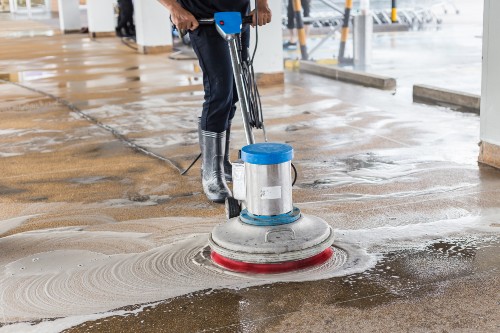 When cleaning your concrete, you will need to use special care. If water starts to bead up on the surface, the acid might not be able to do its job. Degrease the concrete and test it again by applying more water. Avoid trisodium phosphate (TSP) degreasing cleaners, which can leave an unseen residue that reacts with the acid and generates a toxic gas.
Safety First With Strong Acids
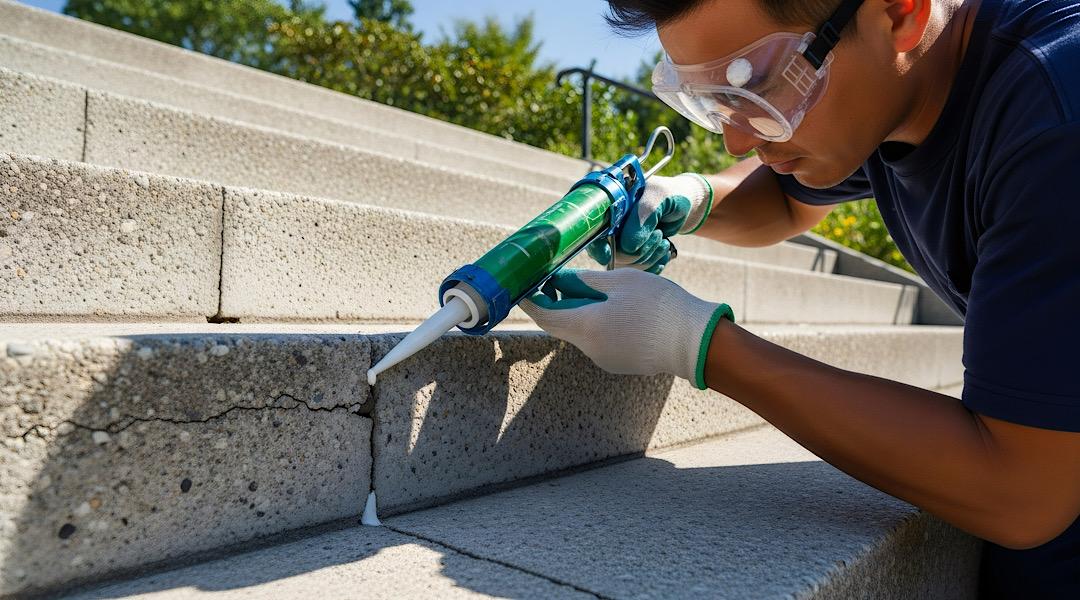
Acid demands respect, so follow the precautions printed on the bottle without shortcuts. Wear acid-proof gloves, rubber boots, vapor-proof goggles, long sleeves and pants, and consider a PVC or butyl apron or coveralls. Working in a garage or basement? Wear a respirator with a professional, acid-grade filter and get as much ventilation going as you can.
Keep fresh water on hand to rinse spills from skin or clothing, and keep baking soda or garden lime nearby to neutralize any acid that lands where it shouldn’t. Work slowly and don’t skip steps. Most acid accidents happen when someone rushes the last ten minutes of a job.
Applying the Acid
Once you’re protected, the process mirrors the lemon juice method. Clean the surface thoroughly, then apply the diluted acid according to the label directions. Let the solution sit for 10 minutes, scrub the area with a nylon brush, then apply baking soda to neutralize the acid. Rinse everything away with clean water. For very stubborn stains, a pressure washer can flush out residue that a garden hose won’t budge.
When Rust Stains Mean Trouble Below the Surface
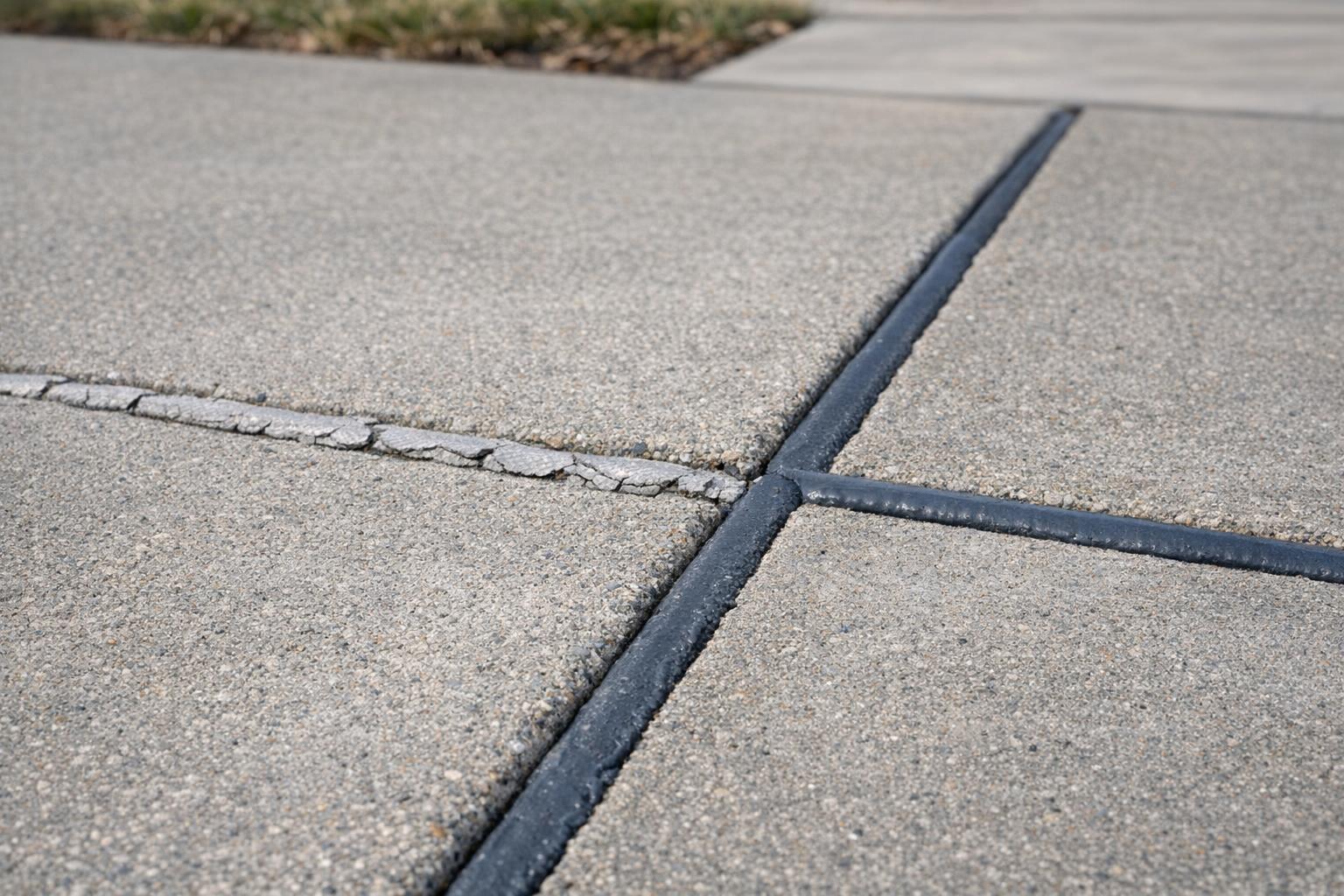
Most rust stains sit on top of the slab and trace back to something metal that sat there: a grill, a planter ring, a forgotten shovel. A different pattern worries us more. Rust that bleeds up out of a crack, or a brown streak with no obvious source, usually means the steel reinforcement inside the concrete is corroding. Water reaches the rebar or wire mesh, the rust expands, and that pressure pops flakes of concrete loose. Contractors call it spalling, and no cleaner will cure it.
Colorado’s freeze-thaw cycles speed this failure along. A hairline crack that takes on moisture in October can freeze and widen dozens of times before spring, opening a wider path to the steel with each cycle. De-icing salts accelerate the corrosion even further. If you spot rust bleeding from cracks along with flaking, pitting or hollow-sounding spots, stop scrubbing and have a professional evaluate the slab.
Preventing the Next Stain
Keeping rust off concrete mostly comes down to keeping bare metal and repeated moisture off the surface. Store tools indoors, set metal furniture on plastic or rubber feet, and lift metal planters onto risers so water can’t pool underneath them. Check that sprinklers aren’t soaking the slab every morning, since constant wetting feeds both rust and mineral staining.
A quality concrete sealer helps too, though Denver’s high-altitude sun breaks sealers down faster than the label’s sea-level estimate suggests. The intense UV up here means resealing on a shorter schedule than you might expect. Sealing also slows water entry into small cracks, which protects the steel below from ever starting to rust in the first place.
Refreshing Concrete Surfaces
Stains, sinking and cracking all make concrete uglier and less functional over time. Fortunately, you can refresh your concrete if you know who to call. If your slab is cracking or sagging, we can restore it at an attractive price using mudjacking techniques perfected by AAA Concrete Raising.
Give us a call at (303) 526-2222 or contact us online and we can level your concrete surface, restoring its function and its looks.