Restore Your Outdoor Oasis Before Winter Arrives
As a homeowner in Denver, you understand the value of an outdoor living space that is both beautiful and functional. An uneven, cracked patio not only detracts from your home’s aesthetic but also poses a significant safety hazard. While concrete issues can be addressed throughout the year, the autumn season presents a unique and ideal window of opportunity for concrete maintenance, particularly for patio leveling. The crisp air and changing leaves signal the perfect time to prepare your property for the coming winter and ensure it’s ready for enjoyment next spring.
The Autumn Advantage for Concrete Repair in Denver
Timing is critical when it comes to concrete work, especially in a climate like ours. Denver’s weather patterns, from wet springs to hot summers, significantly impact the ground beneath our homes. Fall offers a “Goldilocks” period—not too hot, not too cold—that creates the perfect conditions for a successful and long-lasting mudjacking project.
Stable Soil and Ideal Temperatures
The ground in Colorado is in constant motion. The expansive clay soil prevalent across the Denver area swells with moisture during spring rains and shrinks dramatically during the dry heat of summer. This cycle puts immense stress on concrete slabs. By autumn, rainfall has typically decreased, and temperatures have moderated. This allows the soil to stabilize and compact, providing a firm, predictable foundation to lift and level your concrete upon. Performing mudjacking on stable ground ensures a more accurate lift and a more durable repair.
Optimal Curing Conditions
Mudjacking involves pumping a specialized slurry mixture into voids beneath the slab to lift it back into place. The success of this process depends on the slurry curing properly. Extreme summer heat can cause the material to dry too quickly, potentially compromising its strength. Conversely, freezing winter temperatures can interfere with the curing process entirely. Fall provides the mild temperatures that allow the slurry to set and harden gradually, achieving maximum compressive strength for long-term stability.
Prepare for Spring and Summer Enjoyment
Addressing your uneven patio in the fall is a proactive step that pays off handsomely. Instead of discovering a hazardous, sunken patio when the snow melts in spring, you’ll have a safe, level surface ready for your first barbecue of the season. It allows you to enter the warmer months with peace of mind, knowing your outdoor entertaining space is secure and inviting. This foresight is key to maximizing the enjoyment of your home’s outdoor features.
Prevent Costly Winter Damage
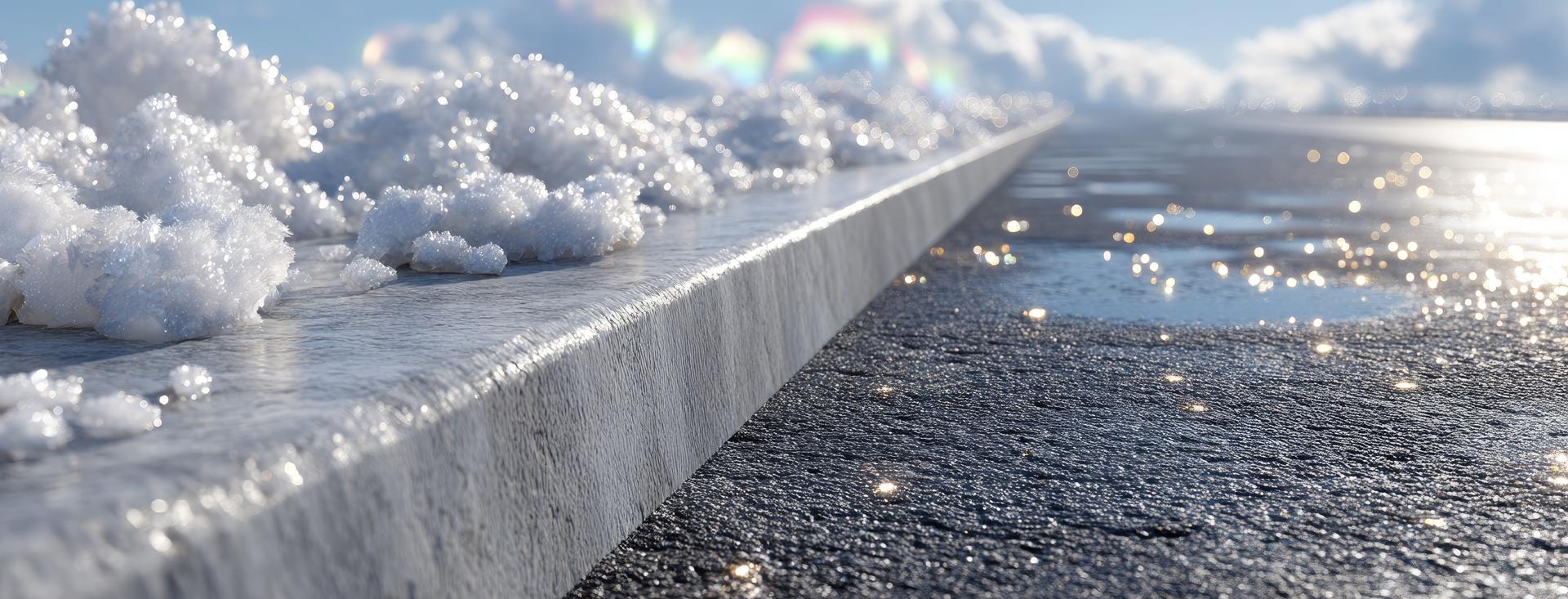
An uneven patio slab doesn’t just create a trip hazard; it creates a pathway for water. When rainwater or snowmelt pools on or around a sunken slab, it can seep into the soil below or into the cracks themselves. In winter, this trapped moisture freezes and expands—the notorious freeze-thaw cycle. This process can exert immense pressure, worsening existing cracks, accelerating soil erosion, and causing the slab to sink even further. Leveling your patio in the fall eliminates these low spots, ensuring proper drainage away from the slab and your home’s foundation, and preventing the creation of larger problems like significant underground voids that require void filling.
Signs Your Patio Needs Professional Leveling
Concrete settlement can be gradual, but the warning signs are often clear. If you notice any of the following, it’s time to consider professional concrete leveling services:
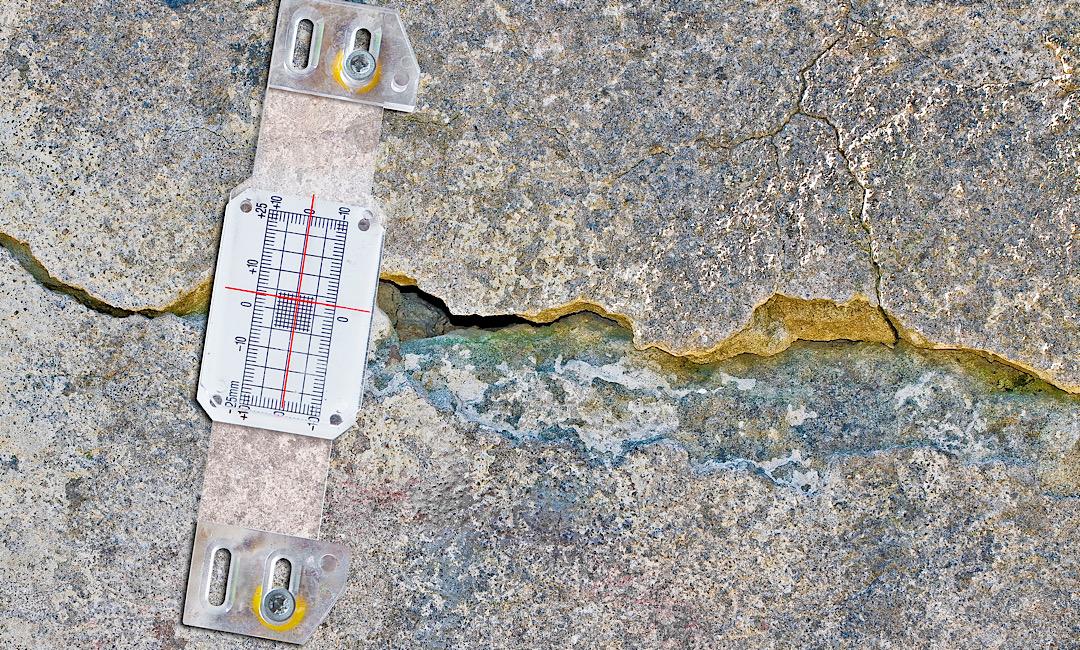
- Visible Cracks and Gaps: Hairline cracks that widen over time or gaps appearing between slabs are a primary indicator of shifting.
- Trip Hazards: One edge of a concrete slab is noticeably higher than the adjacent one, creating a dangerous uneven surface.
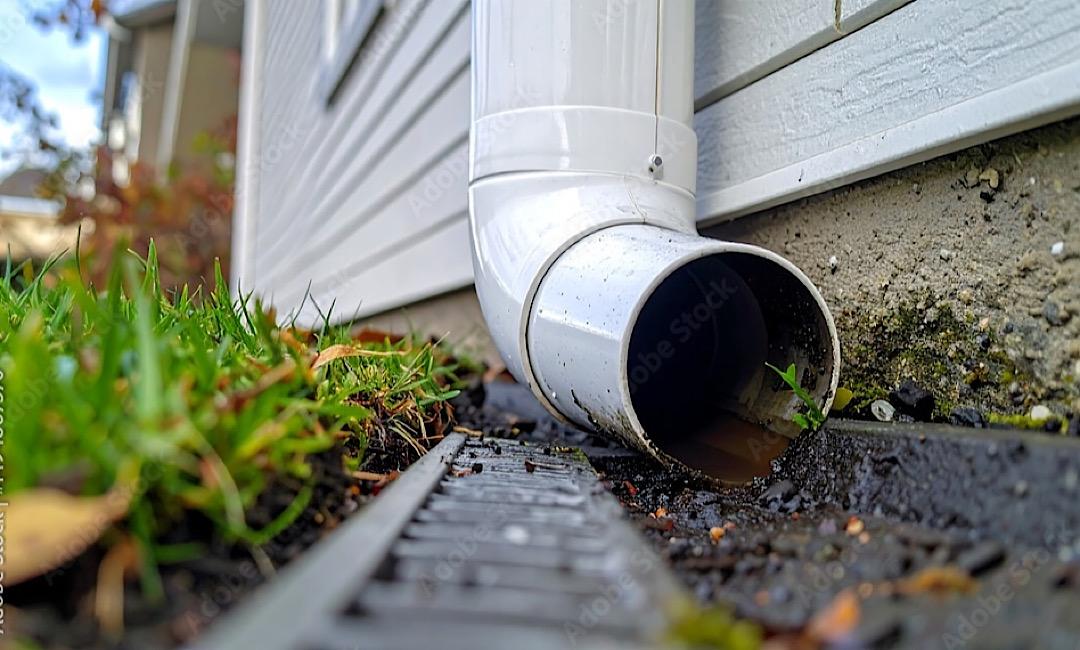
- Water Pooling: Rainwater collects in low spots on the patio or drains back towards your home’s foundation instead of away from it.
- Wobbly Furniture: Your patio table or chairs feel unstable, rocking back and forth on the uneven surface.
- Sinking Near the House: The patio slabs closest to your home have started to sink, creating a downward slope towards your foundation.
These issues are common across all concrete surfaces, not just patios. You might observe similar sinking or cracking on your driveway or walkways as well.
Did You Know?
- ✓ Leveling concrete with mudjacking is typically 50-70% less expensive than tearing out and replacing the entire slab.
- ✓ Most patio leveling projects can be completed in just a few hours, and the surface is ready for light foot traffic the same day.
- ✓ The primary cause of concrete settlement in our area is the shrink-swell cycle of Colorado’s expansive clay soil.
The Mudjacking Process: A Smart Solution
Mudjacking, also known as slabjacking, is a proven method for lifting and stabilizing sunken concrete. At AAA Concrete Raising, we’ve refined this technique over decades. The process is minimally invasive and highly effective:
- A strategic pattern of small holes (about the size of a quarter) is drilled through the sunken slab.
- Our specialized slurry is hydraulically pumped through the holes, filling the voids beneath the concrete.
- As the slurry fills the space, it creates pressure that carefully and precisely lifts the slab back to its original, level position.
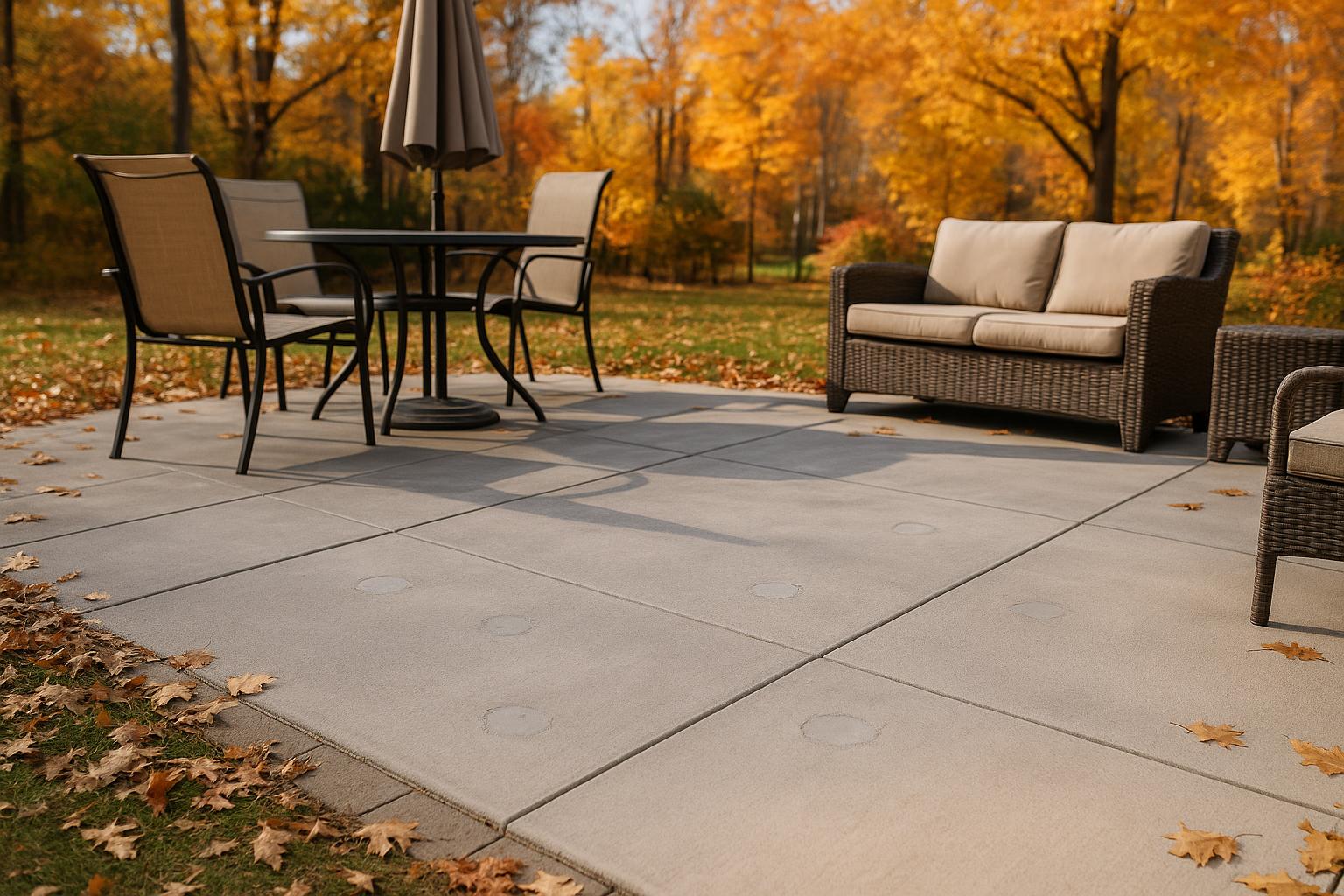
- Once leveled, the drill holes are patched with cement, blending in with your existing patio surface.
This approach from a trusted mudjacking contractor is not only cost-effective but also preserves your existing concrete and landscaping, with no heavy equipment tearing up your yard.
Don’t Wait for Winter’s Damage
Protect your investment and restore the safety and beauty of your outdoor living space this fall. The team at AAA Concrete Raising has been serving the Denver community since 1988, delivering reliable and effective concrete leveling solutions.
Frequently Asked Questions
How long does patio leveling take?
Most residential patio leveling projects are completed in just a few hours. You can typically walk on the surface the same day, allowing for minimal disruption to your routine.
Will mudjacking damage my yard or landscaping?
Mudjacking is a very clean process. Unlike concrete replacement, which requires heavy machinery, our equipment is compact and won’t harm your lawn, garden beds, or landscaping.
Is mudjacking a permanent solution?
When the underlying soil issues (like poor drainage) are addressed, mudjacking provides a very long-lasting solution. By filling the voids and stabilizing the slab, it prevents future settling in the repaired area.
Can this same method be used for my sinking garage floor or driveway?
Absolutely. The principles of mudjacking are effective for any settled concrete slab. We frequently perform garage floor leveling, driveway repair, and even stabilize sunken basement floors using this method.
When is it too late in the year for patio leveling in Denver?
We can typically work as long as the ground is not frozen and daytime temperatures are consistently above freezing. Fall provides a generous window, but it’s best to schedule an estimate sooner rather than later to ensure your project is completed before the first deep freeze.
Glossary of Terms
Mudjacking: A concrete repair technology where a specialized grout or slurry is pumped under a concrete slab to lift it. Also commonly referred to as slabjacking.
Slurry: The specialized mixture of materials, including soil, sand, and cement, that is pumped beneath a concrete slab to lift and support it.
Expansive Clay Soil: A type of soil common in Denver that dramatically swells when it absorbs water and shrinks when it dries, leading to significant ground movement.
Freeze-Thaw Cycle: The process in which water seeps into cracks or beneath slabs, freezes, expands, and then thaws. This cycle exerts pressure that can break apart concrete and worsen settlement issues.
Void: An empty space or pocket in the soil located directly underneath a concrete slab, usually caused by soil erosion or consolidation, which leads to sinking and cracking.