Protect Your Property and Pedestrians
A sunken or cracked sidewalk isn’t just an eyesore—it’s a significant safety issue and a potential legal liability for homeowners in Denver. An uneven walkway can lead to falls and injuries, and understanding your responsibility is the first step in mitigating risk. This guide explains the concerns surrounding trip hazard liability in Denver and details the most effective method for restoring your concrete surfaces to a safe, level state.
Understanding Sidewalk Liability for Denver Homeowners
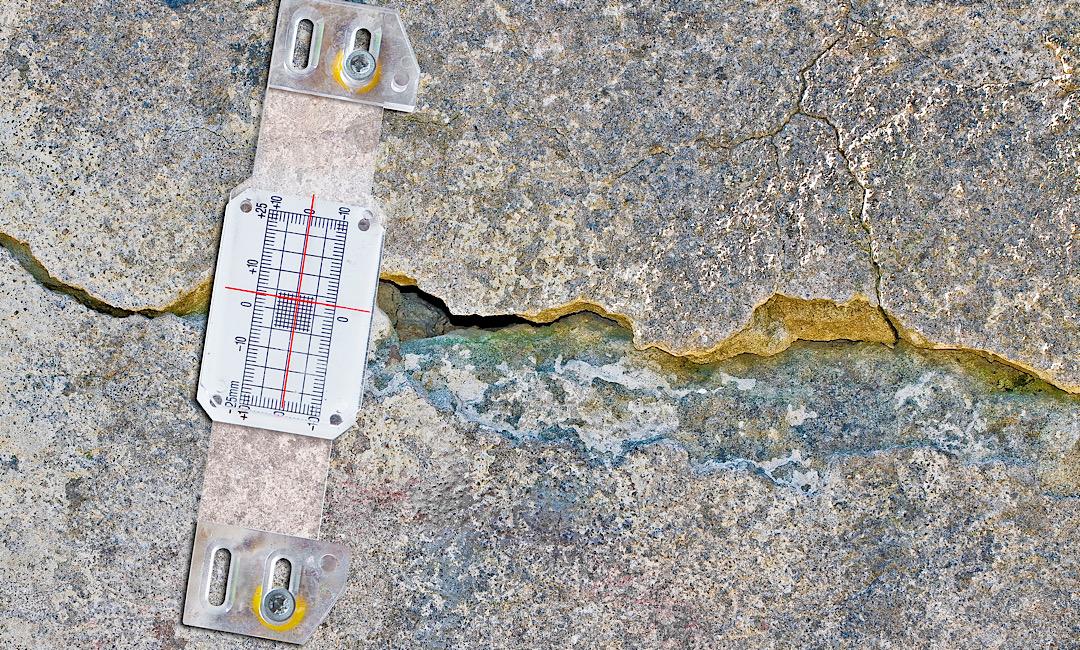
In the city and county of Denver, property owners are generally responsible for maintaining the public sidewalks adjacent to their property. This means keeping them clear of obstructions and, most importantly, in a good state of repair. An uneven slab, a significant crack, or a raised concrete edge can easily become a “trip hazard.”
If a pedestrian trips, falls, and sustains an injury due to a poorly maintained sidewalk, the homeowner could be held liable for medical bills and other damages. This potential for sidewalk trip hazard liability in Denver makes proactive maintenance crucial. Ignoring a sunken sidewalk slab is a risk that can have serious financial and legal consequences. Taking action not only enhances your property’s curb appeal but also ensures a safe passage for your neighbors and community members.
What Causes Concrete Sidewalks to Become Uneven?
Concrete is durable, but the ground beneath it is not always stable. Several factors, especially prevalent in the Denver area, can cause concrete slabs to sink, settle, and crack over time:
Soil Erosion and Voids
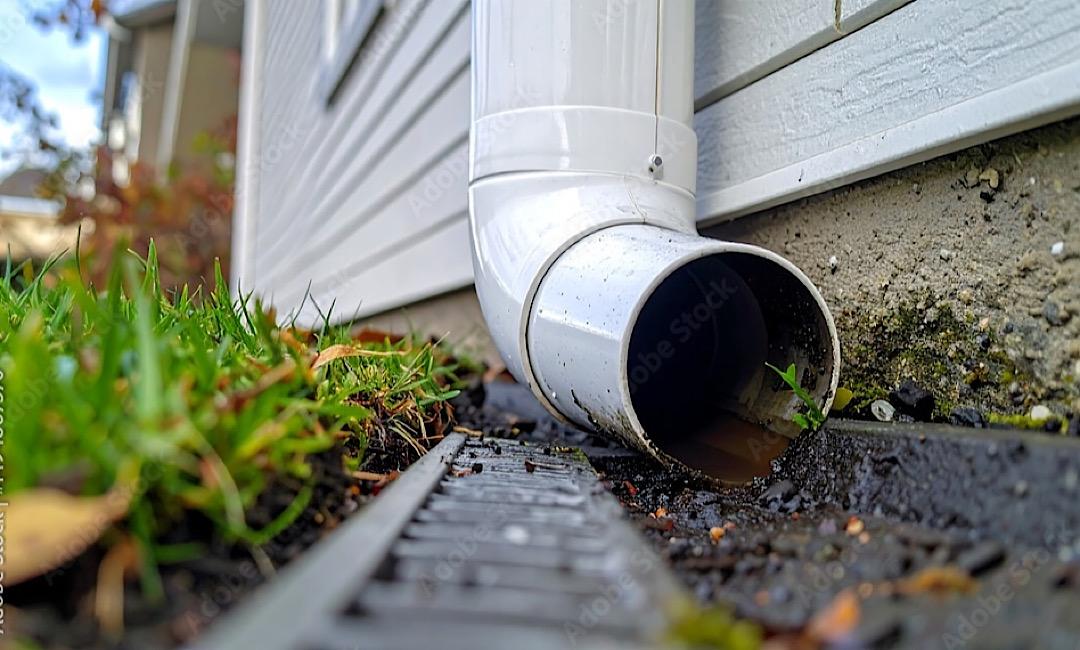
Water from rain, sprinklers, or melting snow can wash away the soil supporting a concrete slab. Over time, this creates empty spaces, or voids, under the concrete. Without proper support, the heavy slab will eventually sink and crack. Addressing this soil erosion under concrete is critical for a long-term fix.
Freeze-Thaw Cycles
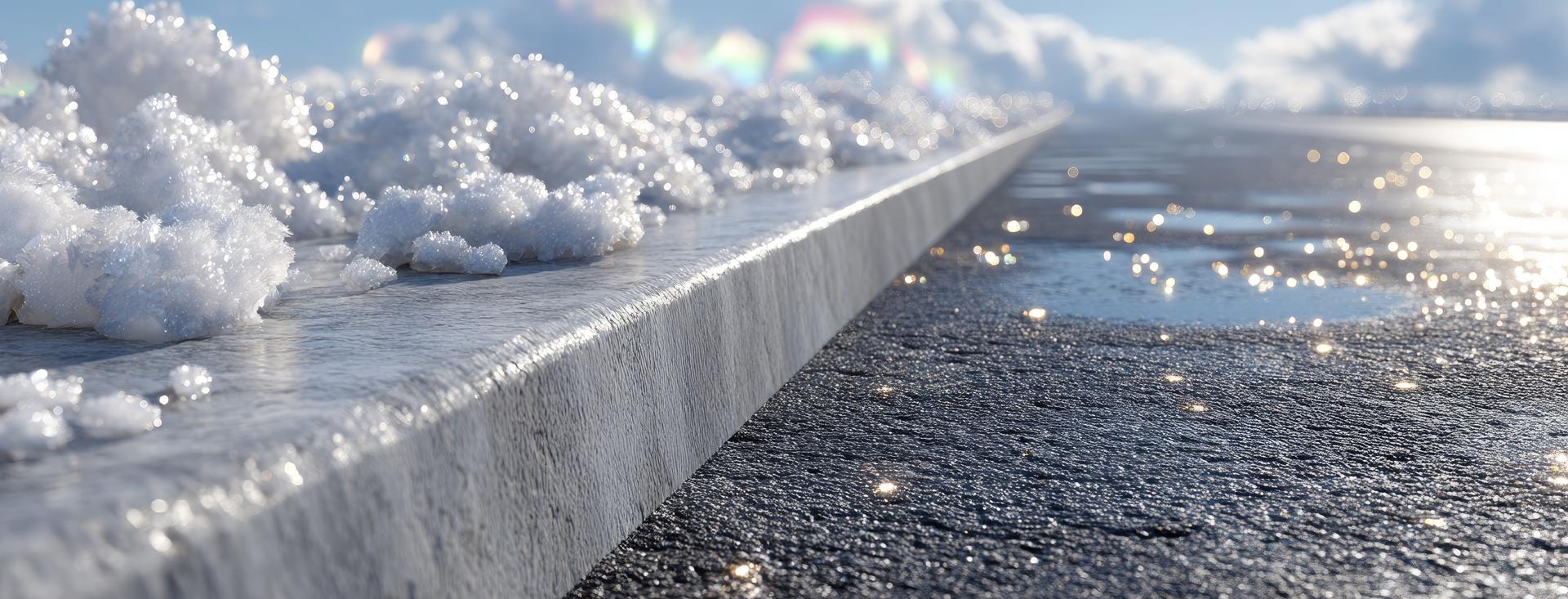
Colorado’s climate is famous for its dramatic temperature swings. Water seeps into the soil, freezes, and expands, pushing the concrete slab upward. When it thaws, the soil contracts, and the slab settles back down. This repeated movement, known as “frost heave,” can leave your sidewalk uneven.
Poor Compaction
If the soil and gravel base were not properly compacted before the concrete was poured, it can settle over time under the weight of the slab. This is a common issue with newer construction and can affect everything from sidewalks to driveways.
The Smart Solution: Mudjacking for Sidewalk Repair
For decades, the only solution for a sunken sidewalk was to tear it out and replace it—a costly, messy, and time-consuming process. Fortunately, there is a far more efficient and affordable alternative: mudjacking. Also known as slabjacking, this proven technique lifts and levels existing concrete slabs without the need for demolition.
The sidewalk leveling process is straightforward and minimally invasive:
- Strategic Drilling: Small, strategically placed holes are drilled through the sunken concrete slab.
- Slurry Injection: A specialized slurry mixture is hydraulically pumped through the holes into the voids beneath the slab.
- Precise Lifting: The pressure from the slurry carefully lifts the slab back to its original, level position.
- Finishing: The drill holes are patched with cement, blending in with the existing surface. Your sidewalk is typically ready for foot traffic within a few hours.
Mudjacking vs. Concrete Replacement
| Feature | Mudjacking / Concrete Leveling | Full Concrete Replacement |
|---|---|---|
| Cost | Typically 50-70% less expensive. | Significantly more expensive. |
| Time | Completed in hours, ready for use same day. | Takes days to demolish, pour, and cure. |
| Disruption | Minimal noise and mess. No damage to surrounding landscape. | Very disruptive, loud, and messy. High risk of yard damage. |
| Appearance | Maintains original concrete, avoiding color mismatches. | New concrete rarely matches the color of existing slabs. |
Your Trusted Concrete Raising Partner in Denver
At AAA Concrete Raising, we’ve been serving the Denver metro area since 1988. As a family-owned business, we understand the importance of keeping your home safe and beautiful. Our expertise isn’t limited to sidewalks. We apply our precise mudjacking techniques to a variety of areas:
- Driveway Leveling: Eliminate bumps and cracks for smoother parking.
- Patio Leveling: Ensure a safe, stable surface for outdoor furniture and gatherings.
- Garage Floor Leveling: Correct uneven slabs that can affect your foundation and garage door.
- Basement Floor Leveling: Create a stable foundation for your home’s interior.
By choosing professional concrete leveling, you are not just fixing a problem; you are investing in the safety, longevity, and value of your property.
Don’t Wait for an Accident to Happen
Address your sidewalk trip hazards today. Protect your family, your neighbors, and your finances with professional concrete leveling from AAA Concrete Raising.
Frequently Asked Questions
How do I know if my sidewalk is considered a trip hazard?
Generally, any vertical change in height of 1/2 inch or more between sidewalk slabs is considered a trip hazard. If you can see a noticeable lip or edge, it’s best to have it professionally assessed to avoid potential liability issues.
Is mudjacking a permanent solution for my uneven sidewalk?
Yes, mudjacking is a long-lasting and durable solution. By filling the underlying voids with a stable material, it addresses the root cause of the settling. This provides solid concrete slab support that can last for many years, provided the underlying water drainage issues are managed.
How long does the sidewalk leveling process take?
Most residential sidewalk leveling projects are completed in just a few hours. Unlike replacement, which can take days, our process is quick and efficient. You can walk on the repaired sidewalk almost immediately after we finish.
Is mudjacking messy?
No, our process is designed to be as clean and non-disruptive as possible. We use small drill holes and carefully manage the injection process. Once the work is done and the holes are patched, there is very little evidence the work was even performed.
Glossary of Terms
Mudjacking: A concrete repair technique that involves pumping a slurry material under a sunken slab to raise it back to its original level. Also known as slabjacking or concrete leveling.
Trip Hazard: An uneven surface or obstacle on a walking path that poses a risk of causing someone to trip and fall. On sidewalks, this is often a raised edge between two concrete slabs.
Slurry: The specialized mixture of materials (often limestone-based) and water that is pumped beneath a concrete slab during the mudjacking process to lift it and fill voids.
Void: An empty space or cavity in the soil beneath a concrete slab, typically caused by water erosion or soil settlement, which leads to a lack of support for the concrete above.