Create a Safe & Welcoming Entrance for Your Holiday Guests in Denver
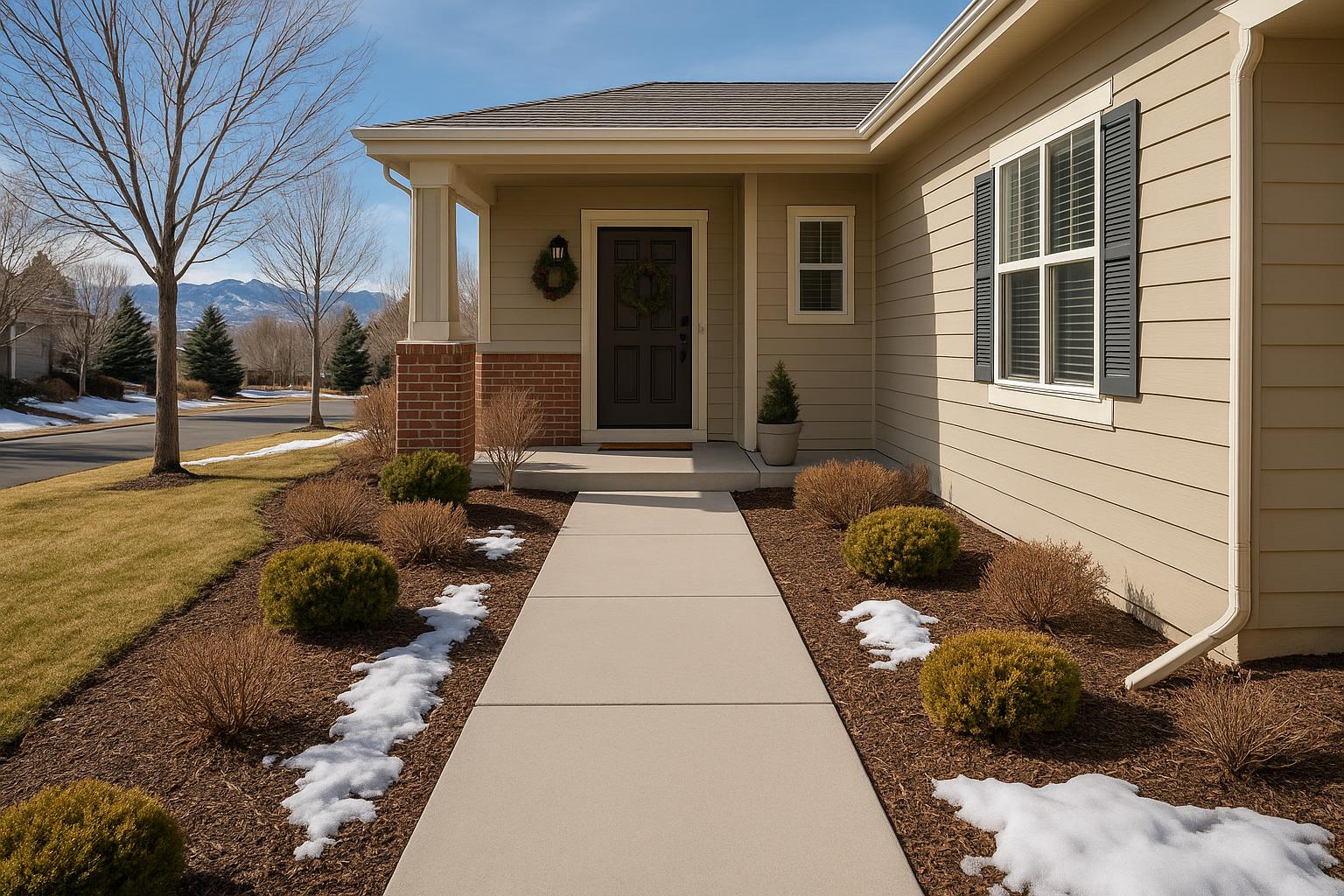
The holiday season in Denver is a special time, filled with the promise of festive gatherings and visits from loved ones. As you prepare your home, don’t overlook a critical first impression: your entryway. Uneven walkways, sunken patios, and cracked steps are not only unsightly but also create significant trip hazards. Before your guests arrive, ensure your home is safe, welcoming, and beautiful from the moment they step onto your property.
Why Uneven Concrete is a Holiday Hazard You Can’t Ignore
Prioritizing Guest Safety
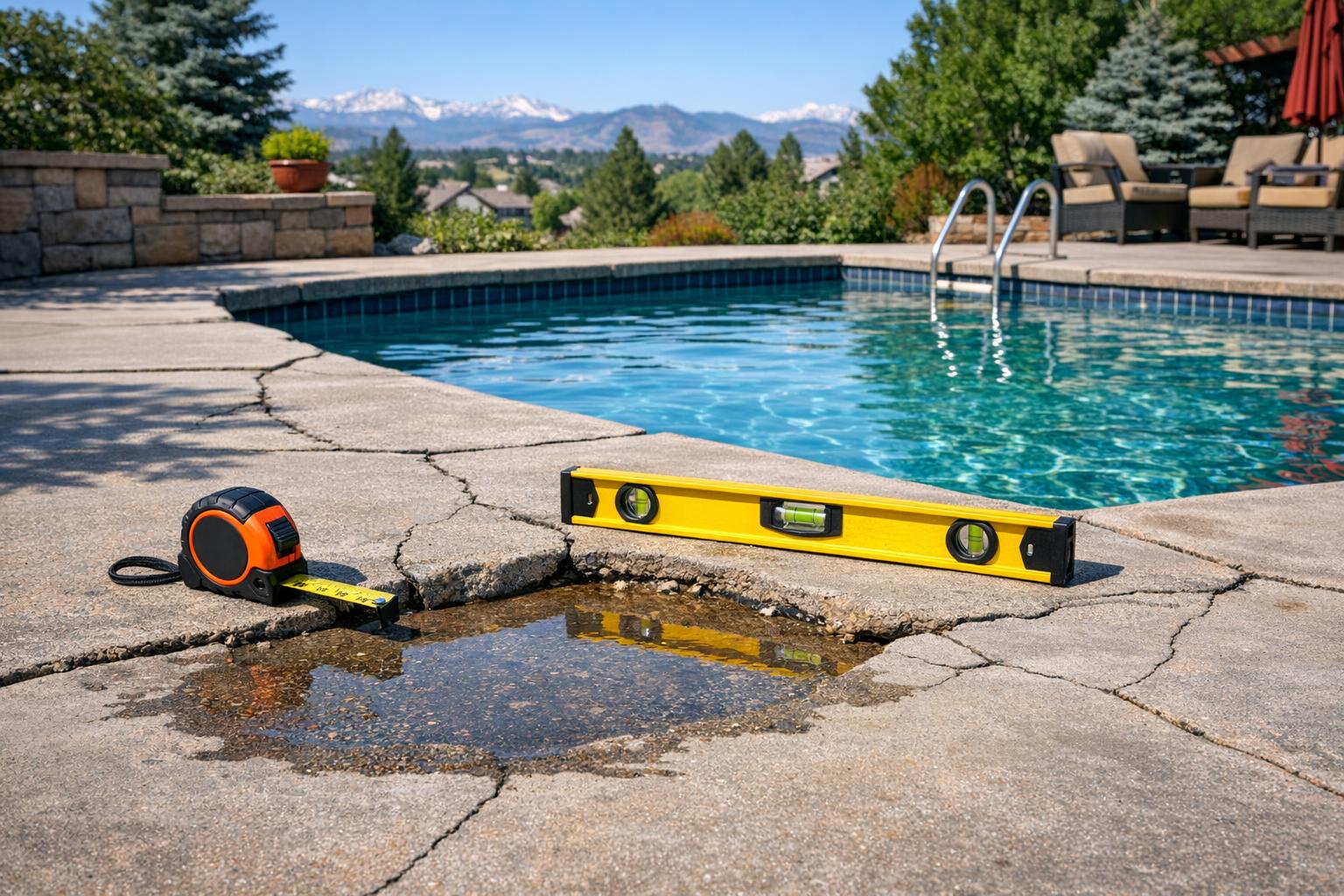
Sunken concrete slabs create uneven surfaces that are easy to trip over. This risk is amplified during the holidays with increased foot traffic, including excited children and older relatives who may be less steady on their feet. In Denver, a bit of snow or ice can easily hide these hazards, turning a simple walk to your front door into a dangerous situation.
Enhancing Curb Appeal
First impressions matter. A cracked and sinking walkway or patio detracts from your home’s festive decorations and overall aesthetic. For homeowners who value design and presentation, a level, well-maintained entryway provides a clean and polished look that complements your home’s style and makes guests feel welcome.
Preventing Worsening Damage
An uneven slab is often a symptom of a bigger issue, such as soil erosion or voids beneath the concrete. Leaving this unaddressed allows water to pool and seep underneath, which can lead to more significant erosion and cracking, especially with Denver’s notorious freeze-thaw cycles. Proactive repair saves you from more costly replacements down the line.
The Smart Solution: Understanding Mudjacking
When faced with sunken concrete, many homeowners think expensive and disruptive replacement is the only option. However, there is a far more efficient and cost-effective solution. Concrete leveling, also known as mudjacking, is a process that lifts and stabilizes settled concrete slabs by injecting a specialized slurry material underneath.
This technique restores the concrete to its original position without the need for demolition. It’s a precise, durable, and minimally invasive method that addresses the root cause of the problem by filling the voids the soil has left behind. Unlike other methods that use chemical compounds, our time-tested slurry provides a solid, stable foundation that supports the slab for years to come.
Did You Know?
Mudjacking is a time-efficient process. Most residential projects, like leveling a walkway or patio, can be completed in just a few hours. The repaired surface is often ready for regular foot traffic on the very same day, minimizing disruption to your holiday preparations.
Preparing Your Entryways: A Pre-Holiday Checklist
1. Thoroughly Inspect All Concrete Surfaces
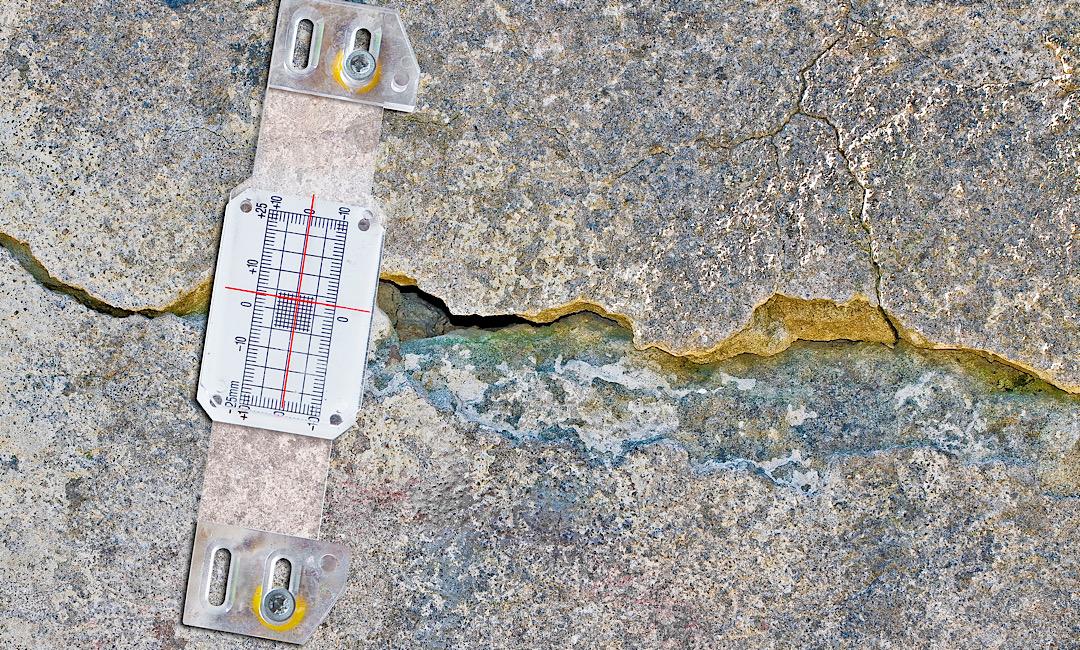
Take a walk around your property and carefully examine your concrete slabs. Check your driveway, garage floor, front steps, walkways, and patio. Look for visible signs of settling, such as one slab being lower than an adjacent one, cracks forming, or areas where water pools after rain or snowmelt. A sinking corner near your foundation is a particularly important issue to address promptly.
2. Understand the Root Cause
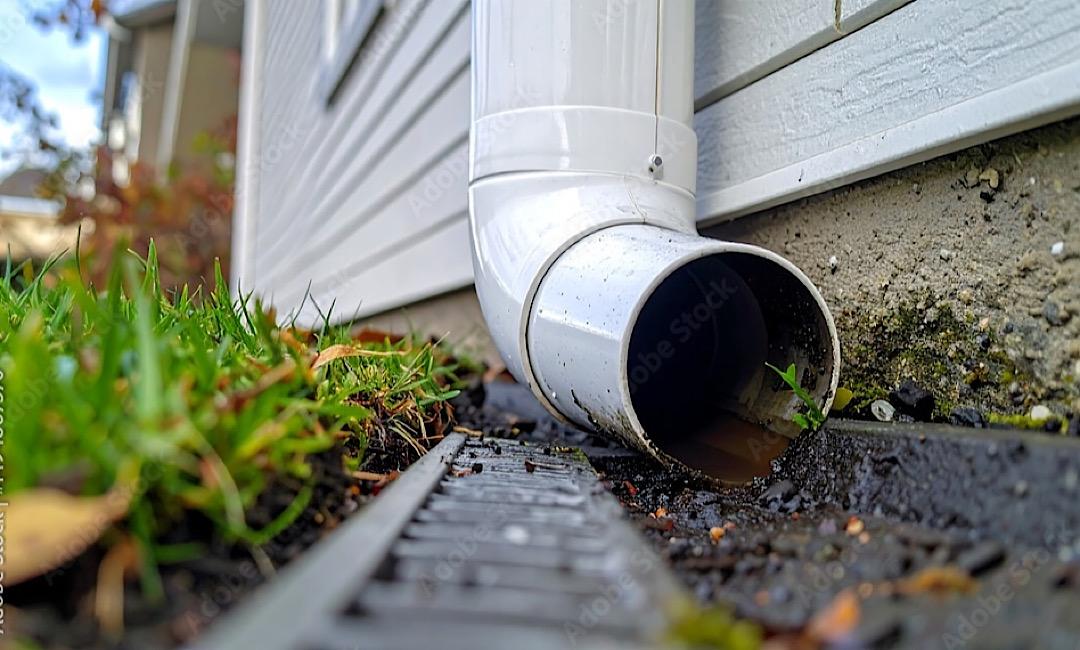
In the Denver area, the most common culprit for sinking concrete is our expansive clay soil, which shrinks and swells dramatically with moisture changes. This movement, combined with erosion from downspouts or poor drainage, creates empty spaces, or voids, under the slab. The concrete, now unsupported, cracks and settles. Our void filling and concrete raising services are specifically designed to combat these local soil conditions.
3. Act Before the Deep Freeze
Timing your concrete repair is key. Addressing sunken slabs in the fall, before the ground is frozen solid and the holiday season is in full swing, is the ideal approach. This ensures the repair is effective and your home is safe and ready for guests without any last-minute stress.
4. Schedule a Professional Assessment
Once you’ve identified a problem, contact a trusted professional. An expert can assess the severity of the issue, determine the best course of action, and provide a clear estimate. At AAA Concrete Raising, we offer a free mudjacking estimate to help you understand the scope and cost of your project.
Mudjacking vs. Complete Replacement
Making an informed decision is crucial. Here’s a quick comparison to see why mudjacking is often the superior choice for repairing settled concrete.
| Feature | Mudjacking | Concrete Replacement |
|---|---|---|
| Cost | Typically 50-70% less expensive. | Significantly more expensive due to labor and material costs. |
| Project Time | Hours | Days or even weeks, including curing time. |
| Disruption | Minimal. No heavy machinery on your lawn. | Highly disruptive with demolition noise and potential landscape damage. |
| Appearance | Maintains the original color and texture of your concrete. | New concrete patch will not match the surrounding aged concrete. |
More Than Just Walkways: Extending Safety Across Your Property
Your holiday-readiness check shouldn’t stop at the front door. Uneven concrete can be a problem in several areas of your home:
- Driveways: A level driveway is crucial for safe parking and prevents tripping when carrying gifts or groceries. Learn more about our driveway repair services.
- Garage Floors: If your garage serves as a main entry point, a sunken or cracked garage floor is a daily inconvenience and hazard.
- Patios: Ensure your outdoor gathering space is safe for everyone with professional patio leveling, creating a stable surface for furniture and foot traffic.
- Basement Floors: An uneven basement floor can affect finished living spaces and utility areas. Our basement floor leveling can restore safety and usability to your lower level.
Ready for a Safe and Beautiful Holiday Season?
Don’t let uneven concrete detract from your holiday joy or put your guests at risk. The experts at AAA Concrete Raising have been serving the Denver metro area since 1988, providing reliable and effective concrete leveling solutions. Let us help you create a safe and welcoming entryway for your family and friends.
Frequently Asked Questions
How long does the mudjacking process take?
Most residential projects are completed within a few hours. The process is quick and efficient, minimizing disruption to your schedule.
Is mudjacking disruptive to my property or landscaping?
Mudjacking is a minimally invasive process. We drill small, strategically placed holes (about the size of a quarter) into the concrete. There is no heavy machinery or excavation, so your surrounding lawn and landscaping remain intact.
How soon can I walk on the leveled concrete?
The repaired area is typically ready for foot traffic the same day. We recommend waiting 24-48 hours before placing heavy objects or driving a vehicle on the surface.
Is mudjacking a permanent solution for my Denver home?
When performed correctly by experienced technicians who understand Denver’s soil conditions, mudjacking provides a long-lasting, durable solution. It addresses the underlying issue by stabilizing the base beneath the slab, offering years of stability.
Glossary of Terms
Mudjacking (or Slabjacking)
A concrete repair technique used to lift and stabilize sinking concrete slabs. It involves pumping a specialized slurry mixture through small holes drilled in the concrete to fill underlying voids and raise the slab back to its proper level.
Slurry
The material injected beneath a concrete slab during mudjacking. It is a carefully proportioned mixture of natural materials, designed to provide a solid, stable base for the concrete.
Void Fill
The process of filling empty spaces or voids that have formed under a concrete slab due to soil erosion or settlement. This is a critical step in stabilizing the concrete and preventing future sinking.
Freeze-Thaw Cycle
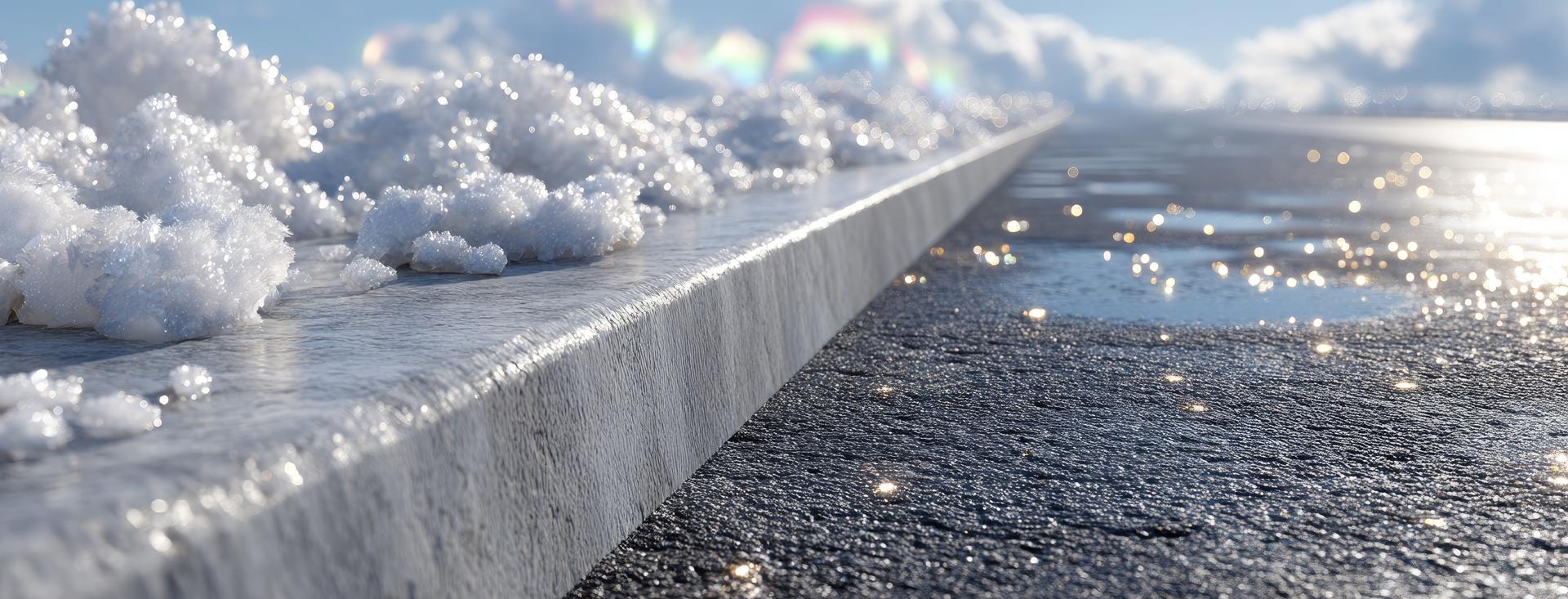
A common climate-related phenomenon in areas like Denver where temperatures fluctuate above and below freezing. Water seeps into cracks, freezes, expands (widening the cracks), and then thaws, repeating the cycle and causing significant damage to concrete over time.