Budgeting for a Smart, Lasting Repair to Your Sunken Concrete
Sunken or uneven concrete is more than just an eyesore; it’s a tripping hazard and can lead to drainage problems around your property. For Denver homeowners, seeing a driveway, patio, or walkway begin to dip and crack is a common frustration. Before you jump to the conclusion of a costly and disruptive replacement, it’s essential to explore a more efficient and budget-friendly solution: concrete leveling. Understanding the costs associated with this repair can help you make an informed decision that enhances your home’s safety and curb appeal without breaking the bank.
Why Concrete Sinks: The Denver Soil Story
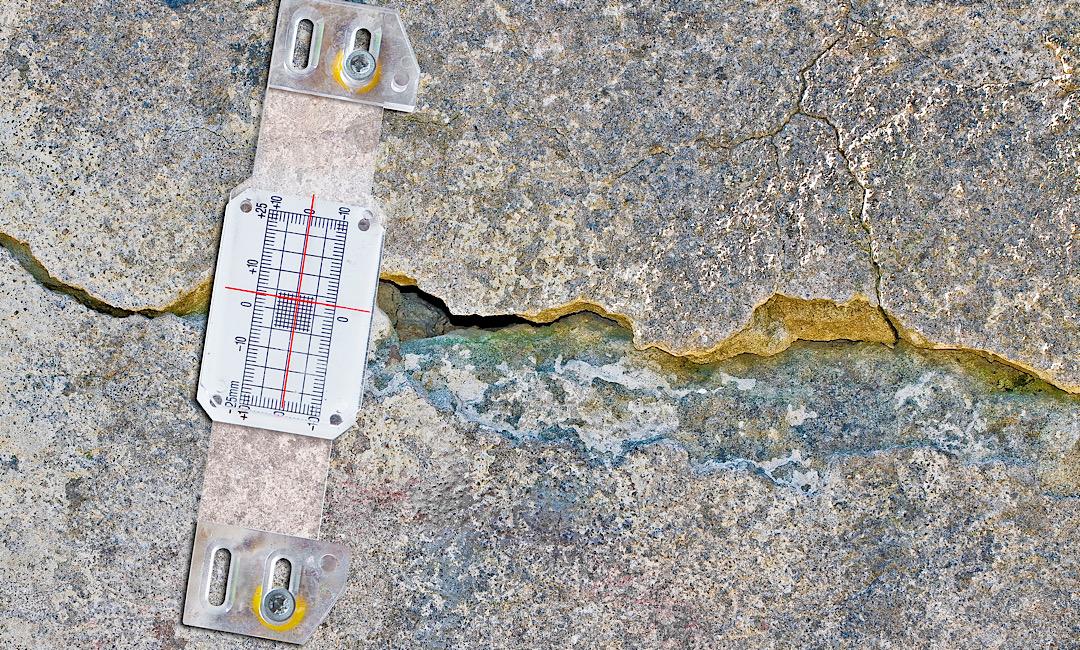
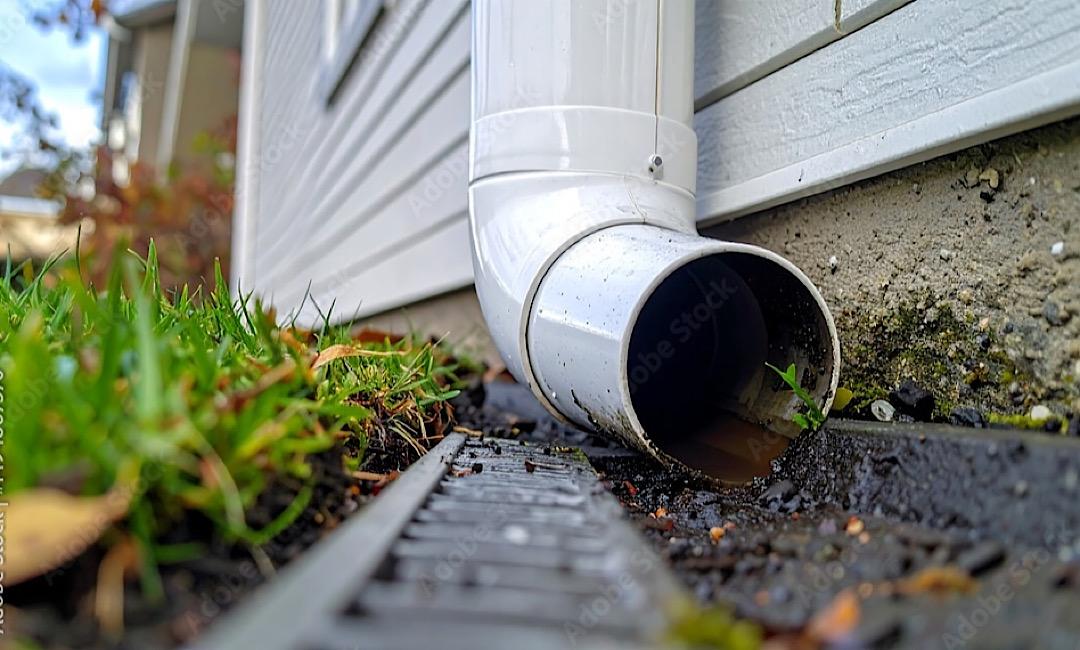
Denver’s unique climate and soil composition are primary culprits behind sinking concrete. Much of the metro area sits on expansive clay soils, which swell significantly with moisture and shrink as they dry. This constant movement creates instability beneath concrete slabs. Add in our freeze-thaw cycles, which cause moisture in the ground to expand and contract, and you have a perfect recipe for voids forming under your concrete. Over time, the weight of the slab itself causes it to settle into these unsupported pockets, leading to uneven surfaces. Poor initial soil compaction and drainage issues can also accelerate this process.
Whether it’s your driveway struggling under the weight of vehicles or a patio becoming a trip hazard, the underlying cause is often the same: a lack of solid ground support. This is where mudjacking offers a targeted and effective solution.
Mudjacking vs. Full Replacement: A Cost Comparison
When faced with sunken concrete, homeowners have two main choices: repair or replace. Mudjacking, a proven concrete leveling technique, is often significantly more cost-effective than a complete tear-out and replacement. In many cases, mudjacking can cost 50-70% less than the alternative. Let’s break down the differences.
| Feature | Mudjacking (Concrete Leveling) | Concrete Replacement |
|---|---|---|
| Average Cost | Typically $3 to $8 per square foot, but can vary. Significantly lower overall cost. | Can be three times the cost of mudjacking or more due to demolition, removal, and new materials. |
| Project Timeline | Most projects are completed in a few hours. The surface is often ready for use the same day. | A multi-day process involving demolition, pouring, and curing, which can take weeks. |
| Disruption | Minimal. Small holes are drilled and patched. No heavy equipment on your lawn. | Highly disruptive. Involves loud demolition, heavy machinery, and potential damage to landscaping. |
| Environmental Impact | Eco-friendly. Reuses the existing concrete, preventing it from ending up in a landfill. | Generates significant waste and requires the production of new cement, a process with a large carbon footprint. |
Key Factors That Influence Your Concrete Leveling Budget
While mudjacking is affordable, the final price for your project will depend on several specific factors. Having a clear picture of these variables will help you set a realistic budget.
Size of the Area
The total square footage of the slabs that need lifting is a primary cost driver. A few sunken sidewalk panels will naturally cost less than leveling an entire two-car garage floor.
Severity of Settling
The depth of the void beneath the slab matters. A slab that has sunk several inches will require more time and lifting material than one that is only slightly unlevel.
Accessibility of the Site
How easy it is for our crew and equipment to reach the repair area can influence the cost. Tight spaces or hard-to-reach locations might require more setup time.
Number of Slabs
Lifting multiple adjacent slabs requires precision to ensure a smooth, even finish. The complexity increases with the number of individual concrete sections involved.
At AAA Concrete Raising, we provide transparent, upfront estimates. By visiting your property, we can accurately assess these factors and give you a detailed quote with no hidden fees. Learn more about our concrete raising services and commitment to quality.
Did You Know?
The technique of mudjacking has been successfully used for over a century! It’s a time-tested method that relies on a simple principle: filling the void to restore the foundation. Modern advancements have only made the process more precise and the materials more durable.
The Long-Term Value of Professional Mudjacking
Investing in concrete leveling is not just about fixing a current problem—it’s about preventing future issues. By performing a professional void fill, we stabilize the soil beneath the slab, which helps prevent further settlement. This proactive approach protects your investment and addresses the root cause of the issue.
Addressing sunken concrete promptly can save you from more extensive damage down the road. Unlevel surfaces can direct water toward your home’s foundation, potentially causing moisture issues in your basement. A level, stable surface enhances property value, improves curb appeal, and, most importantly, eliminates dangerous trip hazards for your family and guests.
Ready to Restore Your Concrete?
Don’t let sunken concrete detract from your home’s safety and beauty. Get a clear, honest assessment of your concrete leveling needs from a trusted, family-owned Denver company. Since 1988, AAA Concrete Raising has provided reliable and affordable solutions.
Frequently Asked Questions (FAQ)
Is mudjacking a permanent solution?
Mudjacking provides a long-lasting and durable solution. By filling the voids and stabilizing the ground beneath the slab, it addresses the cause of the sinking. While no method can entirely prevent future soil changes, mudjacking effectively restores support for many years.
Can you level any concrete slab?
Mudjacking is ideal for concrete slabs that are still in good condition but have sunk over time. If the concrete is extensively cracked, crumbling, or shattered, replacement might be the only option. We can assess the condition of your concrete during your free estimate.
How long does it take to get a quote?
We pride ourselves on a quick response. After you contact us, we’ll schedule a time to visit your property, typically within a few days. We will then provide you with a detailed, written estimate for your concrete leveling project.
Will the patched drill holes be noticeable?
Our experienced technicians take care to make the drill holes as discreet as possible. The holes, typically about 1 5/8 inches in diameter, are patched with a cement mixture that blends in with the surrounding concrete, becoming less noticeable over time.
Glossary of Terms
- Mudjacking: A concrete repair method where a slurry (a mixture of natural materials) is pumped under a sunken concrete slab through strategically drilled holes to lift it back to its original position.
- Slab: A flat, reinforced concrete element used for surfaces like driveways, patios, walkways, and floors.
- Slurry: The specialized, grout-like material used in mudjacking. It is injected beneath the slab to hydraulically lift the concrete and provide a solid base.
- Void: An empty space or pocket in the soil or sub-base material located directly beneath a concrete slab, usually caused by soil erosion, compaction, or settlement.
- Expansive Clay Soil: A type of soil common in the Denver area that swells dramatically when it absorbs water and shrinks when it dries, causing ground instability.