Secure Your Denver Home’s Foundation Before the Freeze Arrives
As a homeowner in Denver, you know that winter brings more than just snow and cold temperatures. The freeze-thaw cycles unique to our climate exert immense pressure on your home’s foundation and concrete slabs. Your basement floor is particularly vulnerable, often showing the first signs of stress through sinking, unevenness, and cracks. Proactively addressing these issues is key to preventing minor problems from escalating into costly structural damage. This guide explores how strategic mudjacking services can winter-proof your basement, ensuring it remains stable and secure through the harshest Colorado winters.
Why Denver Winters Are Tough on Concrete Basements
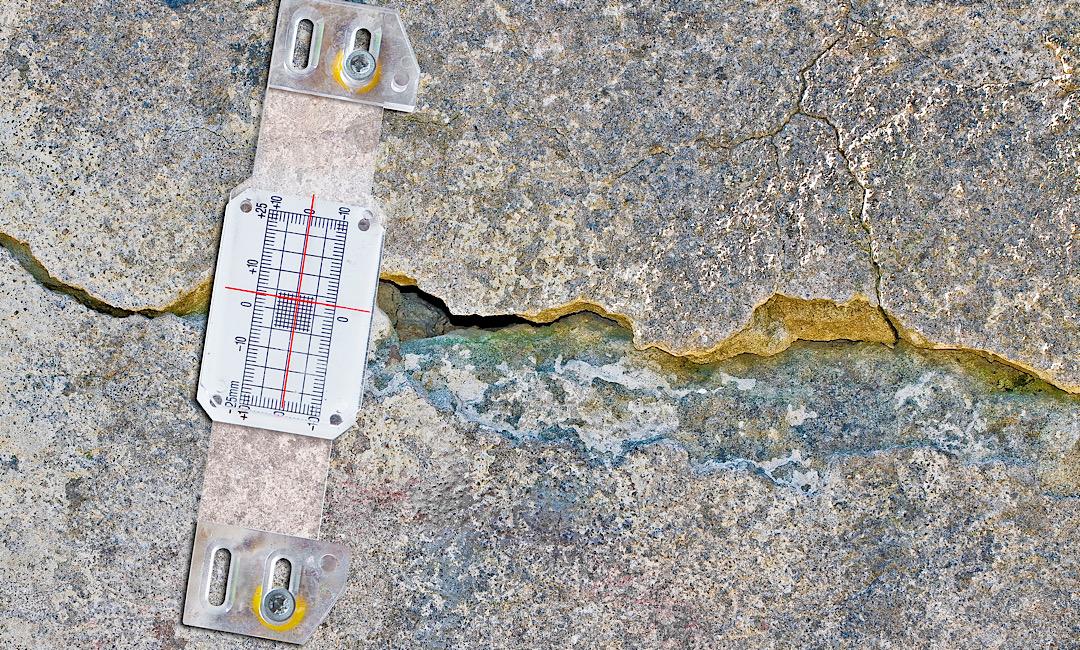
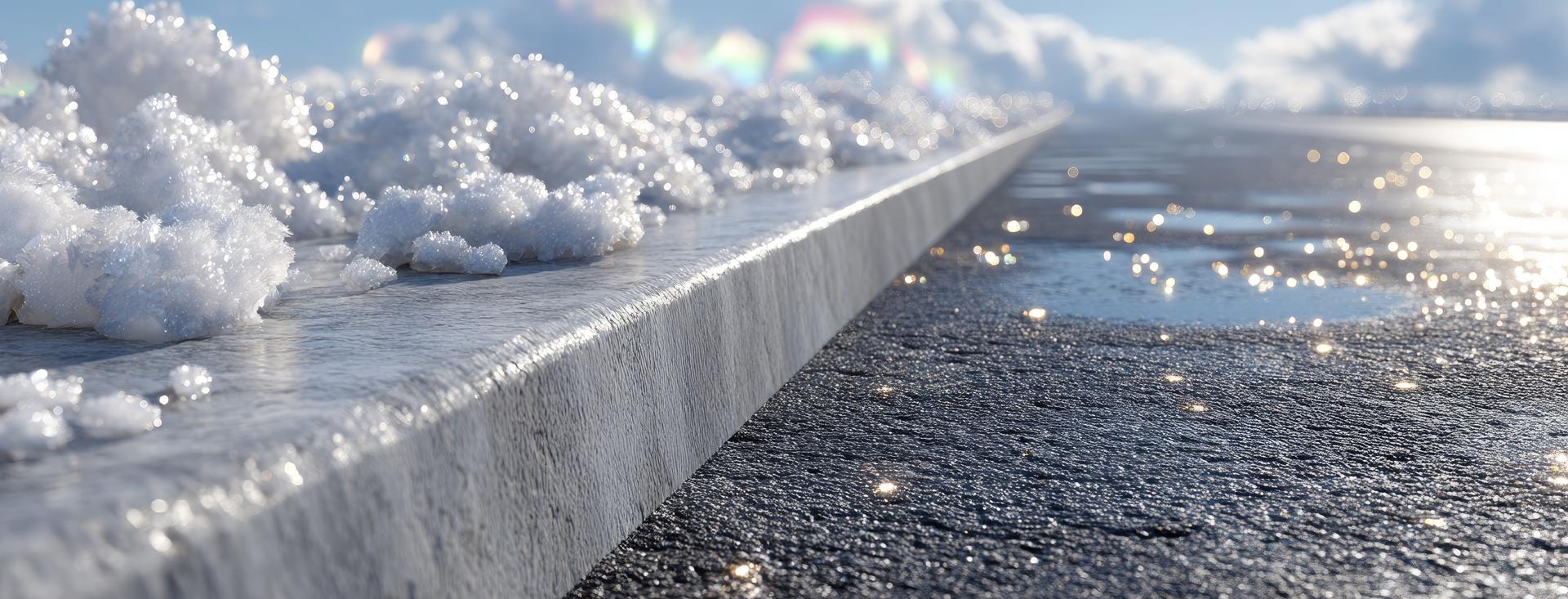
The ground beneath your home is not static. In the Denver area, soil moisture content changes dramatically with the seasons. During winter, this moisture freezes and expands—a phenomenon known as frost heave. This expansion can push slabs upward, while the subsequent thaw can cause the soil to contract, leading to uneven support. When the soil settles, it can create empty spaces, or voids, beneath your basement floor. Without proper support, the immense weight of the concrete slab causes it to sink and crack, resulting in tripping hazards, water pooling issues, and potential damage to walls and fixtures.
This constant cycle of movement is a primary cause of uneven and damaged concrete. An unstable basement floor not only diminishes the usability of your space but can also compromise your home’s overall structural integrity. The key is to address the root cause – the unstable soil and voids underneath the slab – rather than just patching the surface cracks.
The Proactive Solution: What is Mudjacking?
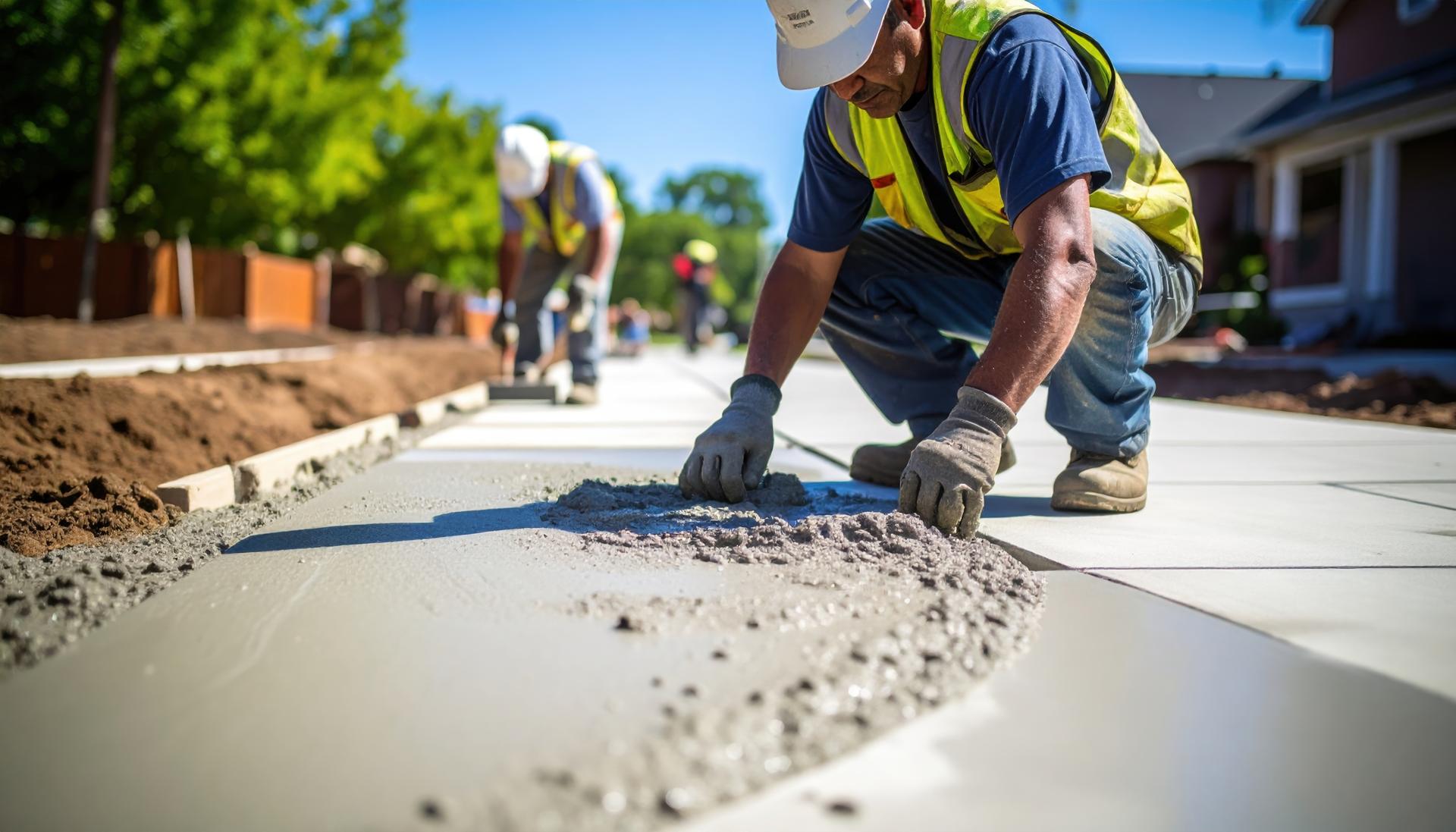
Mudjacking, also known as slabjacking, is a proven concrete repair technique used to lift and level sunken concrete slabs. The process is minimally invasive and highly effective. Here’s how it works: small, strategically placed holes are drilled through the affected concrete slab. A specialized slurry mixture is then carefully pumped under high pressure through these holes. This slurry fills the voids, compacts the loose soil underneath, and hydraulically raises the slab back to its original, level position. Once the process is complete, the drill holes are patched with cement, blending seamlessly with the existing surface.
Unlike a complete tear-out and replacement, mudjacking is faster, more affordable, and creates significantly less mess. For homeowners looking for a reliable basement floor leveling solution, it addresses the underlying problem by restoring a solid foundation beneath the concrete, offering a durable, long-term fix.
How Mudjacking Prepares Your Basement for Winter
1. Fills Voids to Prevent Water Pooling and Freezing
Empty spaces beneath your basement floor are prime locations for water to collect from snowmelt or plumbing leaks. During a cold snap, this trapped water can freeze and expand, exerting tremendous upward pressure on the slab and worsening existing cracks. Our professional void fill concrete process eliminates these empty pockets, leaving no room for water to accumulate and cause damage.
2. Creates a Stable, Solid Sub-Base
The success of any concrete slab depends on the stability of the ground beneath it. Mudjacking doesn’t just lift the concrete; it firms up the underlying soil. This creates a solid, compacted base that is far more resistant to the shifting and settling caused by Denver’s freeze-thaw cycles. A stable base means a stable floor, year after year.
3. Corrects Slopes to Ensure Proper Drainage
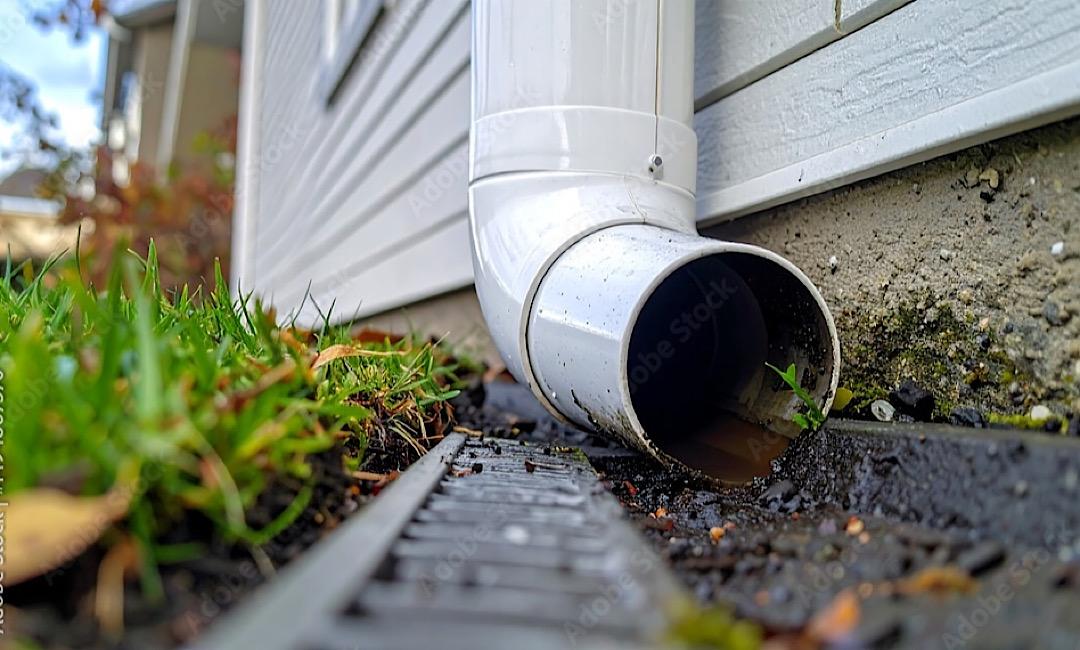
An uneven basement floor can lead to serious drainage problems, directing water toward your foundation walls instead of away from them. Leveling the floor restores the proper slope, preventing moisture intrusion that could lead to mold, mildew, and foundation damage. This is also a critical step for other areas, like garage floor leveling, where proper drainage is essential.
4. A Cost-Effective Measure to Protect Your Investment
Addressing an uneven basement floor before winter is a smart financial decision. The cost of mudjacking is significantly less than the expense of replacing an entire concrete slab. By acting proactively, you prevent minor issues from becoming major structural problems that can impact your home’s value and require extensive, costly repairs down the road.
Local Focus: The Denver Soil Challenge
Denver and the surrounding Front Range are known for their expansive clay soils. This type of soil swells significantly when it absorbs moisture and shrinks as it dries. This constant expansion and contraction puts enormous stress on concrete structures, from basements and driveways to patios. Winter snowfall and subsequent melting create the perfect conditions for soil saturation, leading to heave. As a family-owned company with experience in the Denver metro area since 1988, AAA Concrete Raising understands these unique local challenges. Our mudjacking techniques are specifically tailored to stabilize slabs against the pressures of Colorado’s volatile soil, ensuring a lasting solution for your property.
Proactive Mudjacking vs. Waiting: A Comparison
| Factor | Proactive Mudjacking (Before Winter) | Reactive Repair (After Damage Occurs) |
|---|---|---|
| Cost | Significantly lower. Addresses the root problem before it escalates. | Higher. Often involves more extensive repairs or full slab replacement. |
| Damage Prevention | Prevents further cracking, water intrusion, and potential foundation damage. | Repairs existing damage, but underlying issues may have already caused secondary problems. |
| Timeline | Quick and efficient, often completed in a single day with minimal disruption. | Can be lengthy and disruptive, especially if full replacement is needed. |
| Peace of Mind | Confidence that your basement is stable and protected against winter damage. | Ongoing concern about whether the problem will recur or worsen. |
Protect Your Home This Winter
Don’t let the coming winter compromise the integrity of your basement. If you’ve noticed uneven floors or cracks, now is the time to act. Let the experts at AAA Concrete Raising provide a lasting solution that protects your Denver home.
Frequently Asked Questions
1. When is the best time of year to get mudjacking done?
While mudjacking can be performed most of the year, late summer and fall are ideal times to prepare your concrete for winter. Addressing issues before the ground freezes allows the slurry to cure properly and provides a stable base before the harsh weather arrives.
2. Is the mudjacking process messy or disruptive?
Mudjacking is a very clean and minimally invasive process. We drill only a few small holes, and our experienced crew takes great care to protect your property. Most residential projects, including basement floor repair, are completed in just a few hours with little to no disruption to your daily routine.
3. How long does mudjacking last?
When performed correctly by experts who understand local soil conditions, mudjacking is a permanent solution. By resolving the underlying soil instability, the repair addresses the root cause of the problem, ensuring your concrete stays level and supported for many years.
4. Can mudjacking fix a severely cracked basement floor?
Absolutely. Mudjacking is highly effective for leveling floors with significant cracks. The process lifts the slab sections back into alignment, which often closes the cracks. While some cosmetic crack filling might be beneficial afterward, the structural problem of unevenness is solved.