You have likely walked the path dozens if not hundreds of time without ever thinking about your sidewalk. Sidewalks are our urban connectors, guiding us through neighborhoods, and even our front yards. Like everything else in or around your property, your sidewalks won’t stay perfect forever, at some point you will need to replace your sidewalk. Whether it’s wear and tear, sunken concrete, or something more sinister, eventually you’ll need to repair, mudjack, or replace it entirely.
How do you know when that time has come? Let’s look three at distinct symptoms your sidewalk can put off that tells you it’s time to act.
Signs It’s Time for a New Sidewalk
Severe Dulling and Discoloration
Years ago, your sidewalk might have looked clean and bright but take a look now. If you notice that your sidewalk has diminished in color, has a dull appearance, or looks “dirty,” despite a recent cleaning or resealing, it may be time for a replacement. You can try power washing to clean it up, but over time, that’s not going to be enough anymore to keep it looking fresh.
Cracks, Fissures, and Divots
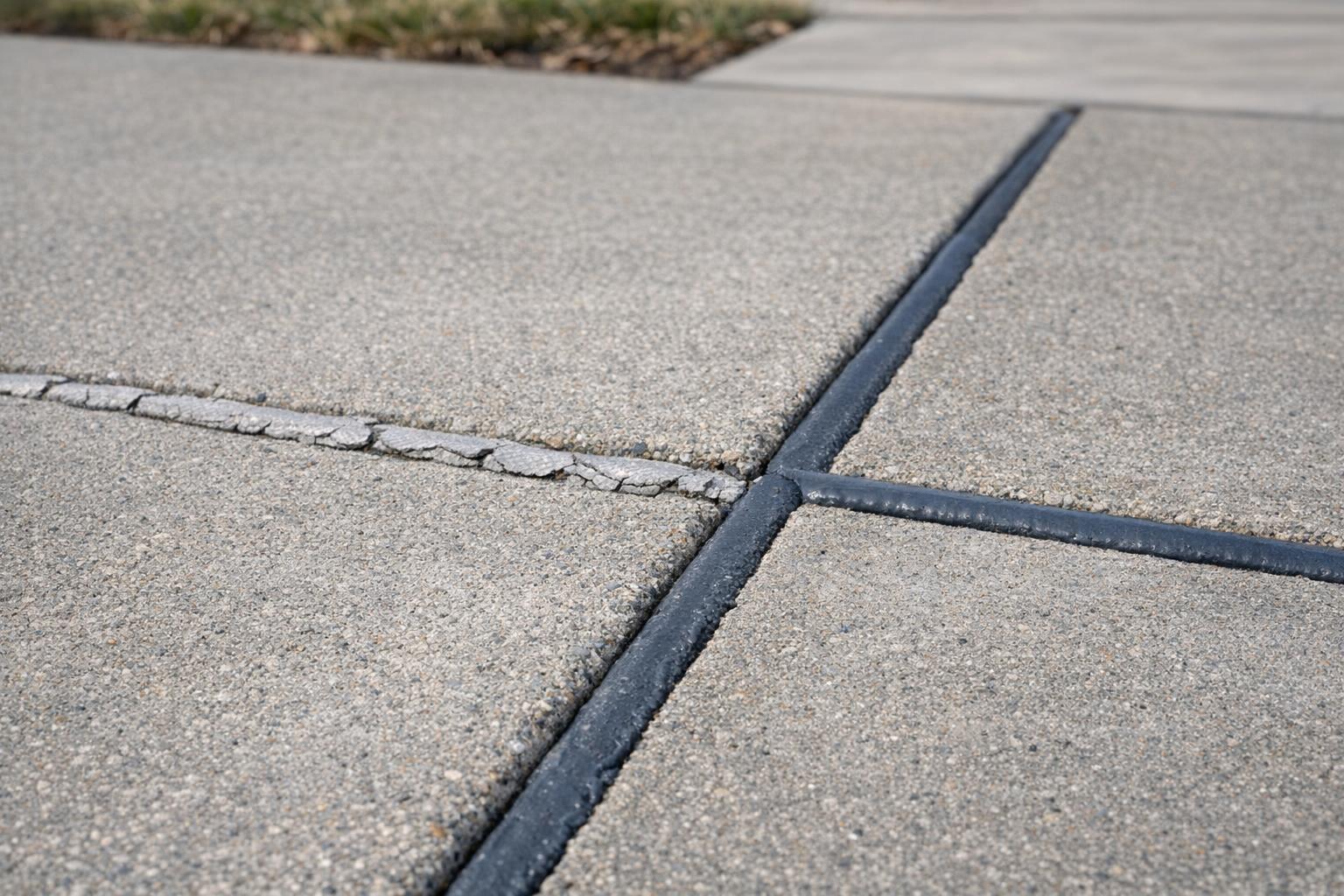
As the materials in your sidewalk break down over time, you will likely begin to notice more cracks, fissures, divots, potholes, and other structural deficiencies. One small crack or a couple of small divots are not grounds for a new sidewalk by themselves. If you notice that cracks and other defects are popping up more often or are more severe, your sidewalk might be past its prime.
Sunken
If you have noticed sections of your panels have started to raise or lower, you could be dealing with an older sidewalk that has served its time. If your sidewalk is in good condition, sunken panels can likely be taken care of with concrete or slab jacking without having to replace the entire sidewalk. If these sunken panels are coupled with other damage and discoloration, it is likely another sign that your sidewalk has worn out its welcome.
Look at your feet the next time you are on your own sidewalk. Do you notice cracks, fissures, dulling, discoloration, or sunken areas? If your sidewalk is showing these symptoms, it may be time to replace. Call AAA Concrete Raising today to have us give our expert opinion and decide what needs to be done to leave you with the best sidewalk you’ve ever laid feet on.