A smoother, safer pool area starts with a level deck (and the right repair method)
At AAA Concrete Raising, we’ve been helping homeowners across Denver since 1988 with minimally invasive concrete lifting (mudjacking and slab support) designed to restore function and reduce trip hazards—while preserving the look of your existing hardscape.
Why pool decks settle in Denver (and why it’s not “just cosmetic”)
How to tell if your pool deck needs leveling (not just patching)
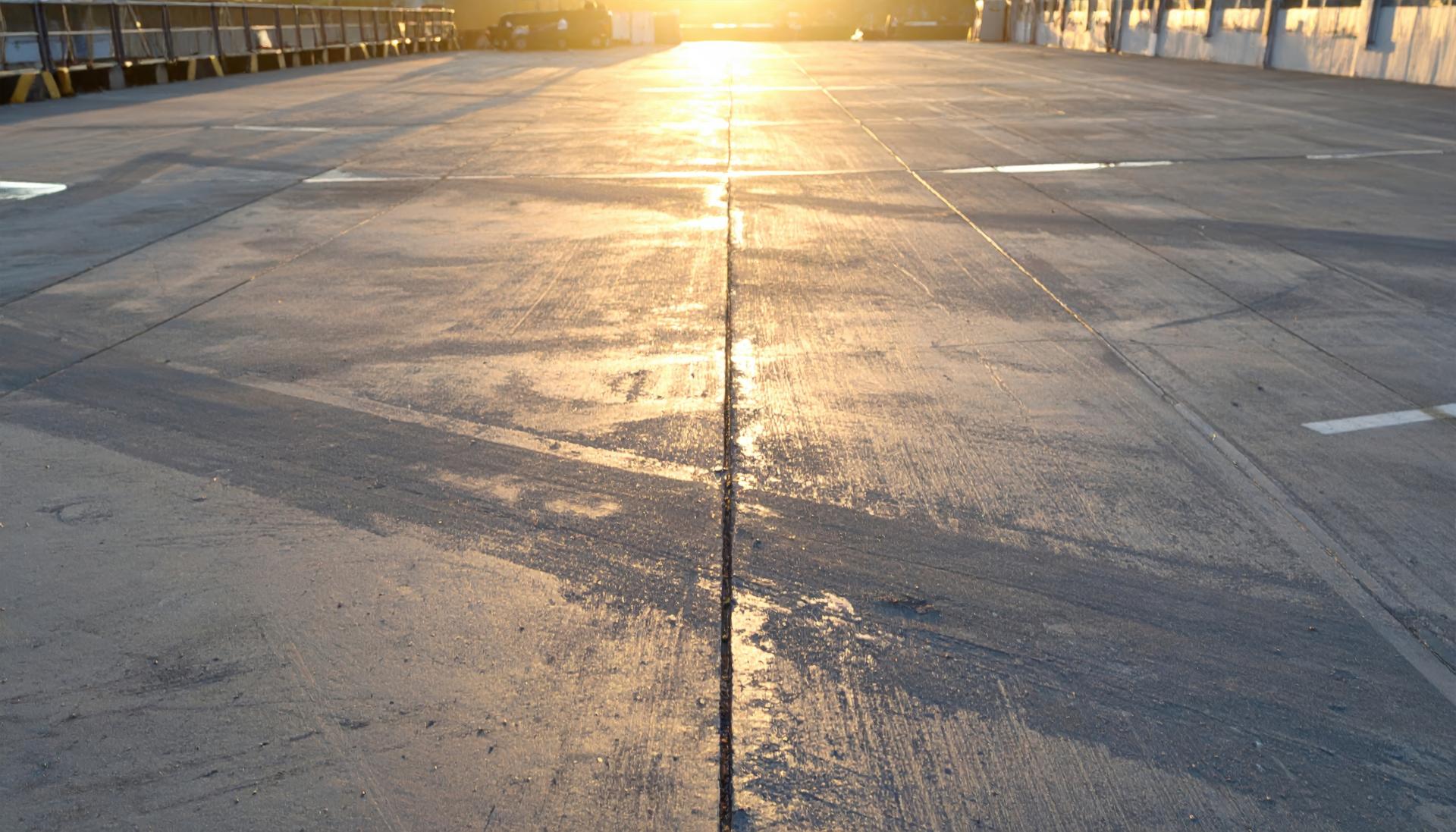
A raised edge or drop between slabs (especially at control joints) that catches toes or furniture legs.
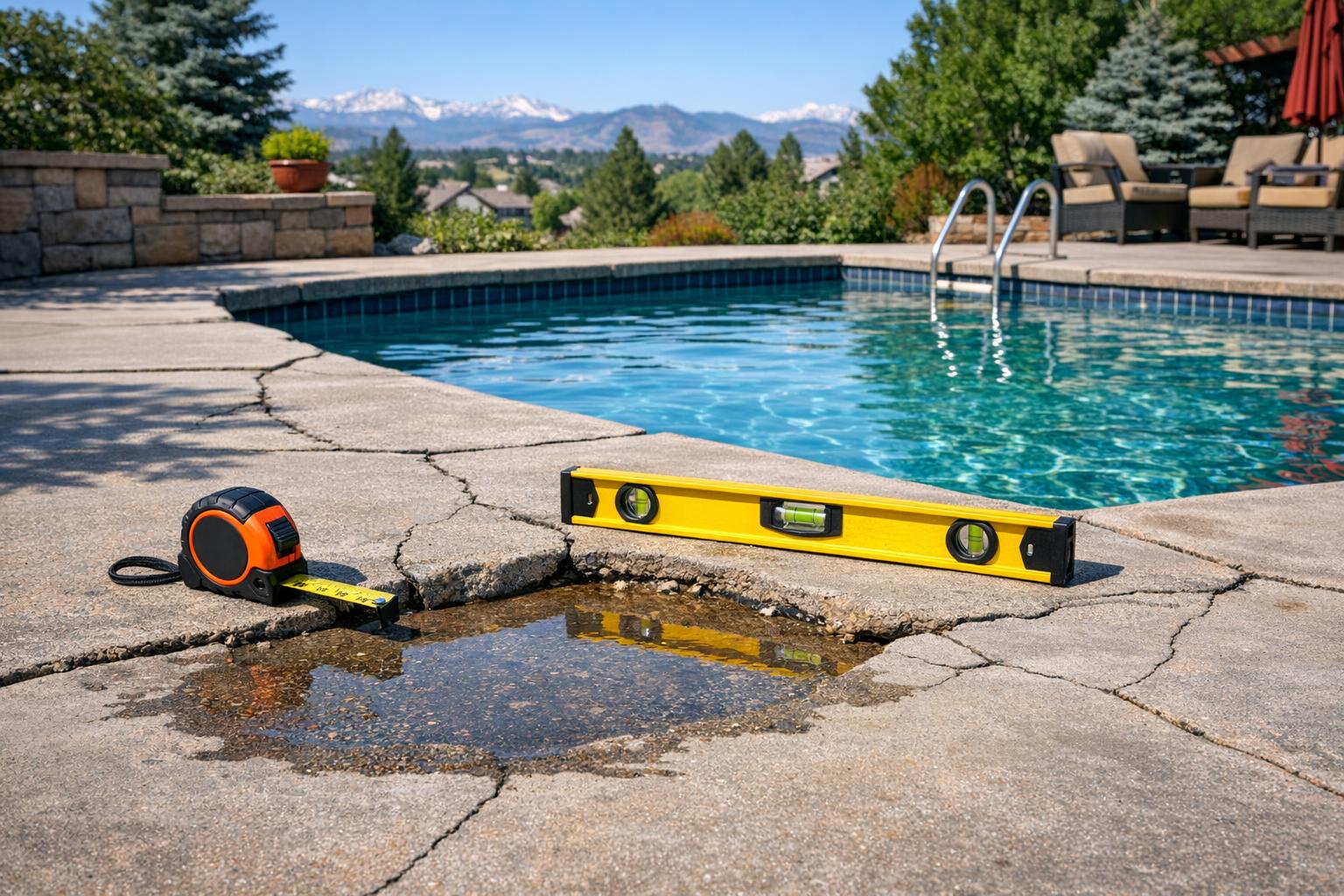
Low spots that collect water after splashing, rain, or cleaning—often a clue that the slab has shifted and drainage has changed.
When cracks align with differential movement between two panels, it is not just surface shrinkage.
Separation along the pool perimeter or around anchors/handrails can signal shifting support.
Did you know? Quick pool-deck facts that matter
Mudjacking vs. other lifting methods: a practical comparison for pool decks
| Factor | Mudjacking (cement-based slurry) | Polyurethane foam lifting (context) |
|---|---|---|
| Material behavior | Dense slurry fills voids and supports the slab once cured. | Expands to lift; typically lightweight and water-resistant. |
| Injection hole size | Often larger ports; patches can be more visible depending on finish. | Often smaller ports; can be less noticeable after patching. |
| Moisture considerations | Best results come from addressing drainage/voids so water doesn’t keep undermining support. | Foam is commonly described as hydrophobic and resistant to washout. |
| Typical goals | Lift + stabilize + fill voids beneath the slab. | Lift + stabilize with fast cure time in many applications. |
| Best next step | Ask what caused the settlement, and how the voids/drainage will be addressed. | Ask about water exposure, lift precision near coping, and warranty specifics. |
Step-by-step: what pool deck leveling looks like (and how to prepare)
1) Identify the “why,” not just the low spot
Look for drainage contributors first: downspouts dumping near the deck, irrigation overspray, or a grade that funnels storm water toward the pool. If water keeps getting under the slab, any lift method is fighting the same problem again.
2) Mark hazards and functional issues
On a dry day, use sidewalk chalk to circle: trip lips, pooling zones, and sections where patio furniture rocks. This helps prioritize which panels matter most for safety and usability.
3) Plan for access and protection
Clear small items (planters, chairs, décor) and point out sprinkler heads, drains, and any known plumbing routes. Around pools, protecting coping transitions and maintaining proper drainage pitch are key.
4) Lift and stabilize the slab
With mudjacking, small access holes are drilled and a cement-based slurry is pumped beneath the slab to fill voids and raise the concrete. Once the slab reaches the target elevation, ports are patched.
5) Confirm drainage and finish details
The goal isn’t “perfectly flat everywhere.” The goal is safe transitions and predictable drainage away from structures, gates, and problem corners where water previously collected.
When leveling is a great fit (and when replacement may be smarter)
• The problem is settlement/voids, not widespread crumbling concrete
• You want to preserve existing finishes and avoid a major demo project
• The deck can be raised without conflicting with doors, gates, or drainage
• There’s major heaving that requires removing pressure sources below
• Prior repairs failed because water/drainage issues were never corrected
• You’re redesigning the space and want different slopes, drains, or a layout
Denver local angle: what homeowners should watch for each season
Get an evaluation for pool deck leveling in Denver
FAQ: Pool deck leveling and concrete lifting
Longevity depends on what caused the settlement and whether that cause is addressed (especially drainage and soil washout). A well-supported slab with corrected water management is far more likely to stay stable.
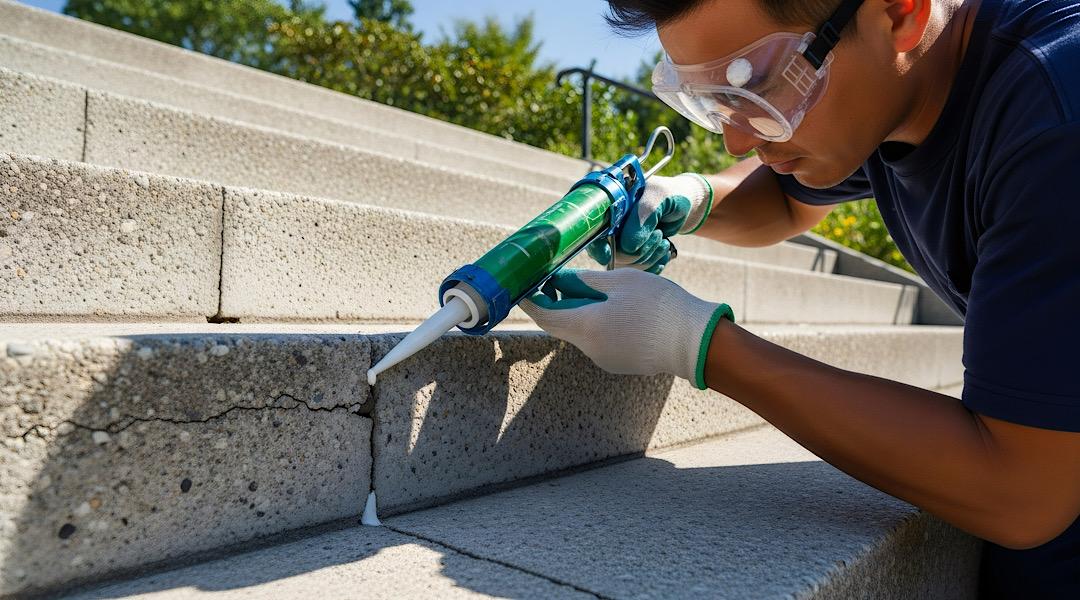
Lifting can close or reduce some separation where panels dropped unevenly, but existing cracks typically remain visible. Many homeowners combine leveling with crack sealing and surface care for the best finished look.
It’s a controlled process, but it does involve drilling access holes and patching. A careful crew will protect surrounding areas, keep the work zone tidy, and confirm final grade and transitions near coping and gates.
Settling is when the slab drops because support is lost beneath it. Heaving is when the slab is pushed upward due to expanding soils, freezing pressure, or intrusion from below. The right fix depends on which one you’re dealing with.
Often, yes—especially when multiple slabs share the same drainage pattern. If you have a settled walkway to the pool area, combining projects can help make transitions safer and more consistent.
Many homeowners plan the work before peak swim season so the area is safer and drains properly. If you already have trip lips or pooling, sooner is better—freeze–thaw and water intrusion can worsen unsupported areas over time.