Concrete is one of the most versatile building materials out there. It covers our roads, parking lots, and you can find concrete on most private property in the form of patios, sidewalks, and driveways. While concrete may be durable, it is destructible and will have issues over time.
One of the primary concerns for homeowners about concrete is sunken panels. Sunken concrete happens when the dirt of substrate that holds your concrete up washed or erodes, leaving your panel nothing to rest on for support. There are two main options when it comes to dealing with sunken concrete: you can remove and replace the concrete, or you can consider mudjacking.
While removing and replacing gives you new concrete, mudjacking pumps mud or foam underneath the concrete to lift your concrete back into this position without damaging it. Mudjacking is more affordable and makes less of an impact than removing and replacing concrete, but mudjacking can only go so far. Let’s review when mudjacking is a better option, and when you should be looking to replace your concrete.
What You Need to Know: Mudjacking vs. Replacing Concrete
When Mudjacking is the Better Option
- Concrete is intact and strong
- Sunken concrete does not cover a large area
- Concrete is young (less than 15 years old)
The idea behind mudjacking is that you reuse the same concrete that is already there. If that concrete is young, intact and strong, you can likely jack it back into place and get several more years out of it.
When Removal/Replacement is the Better Option
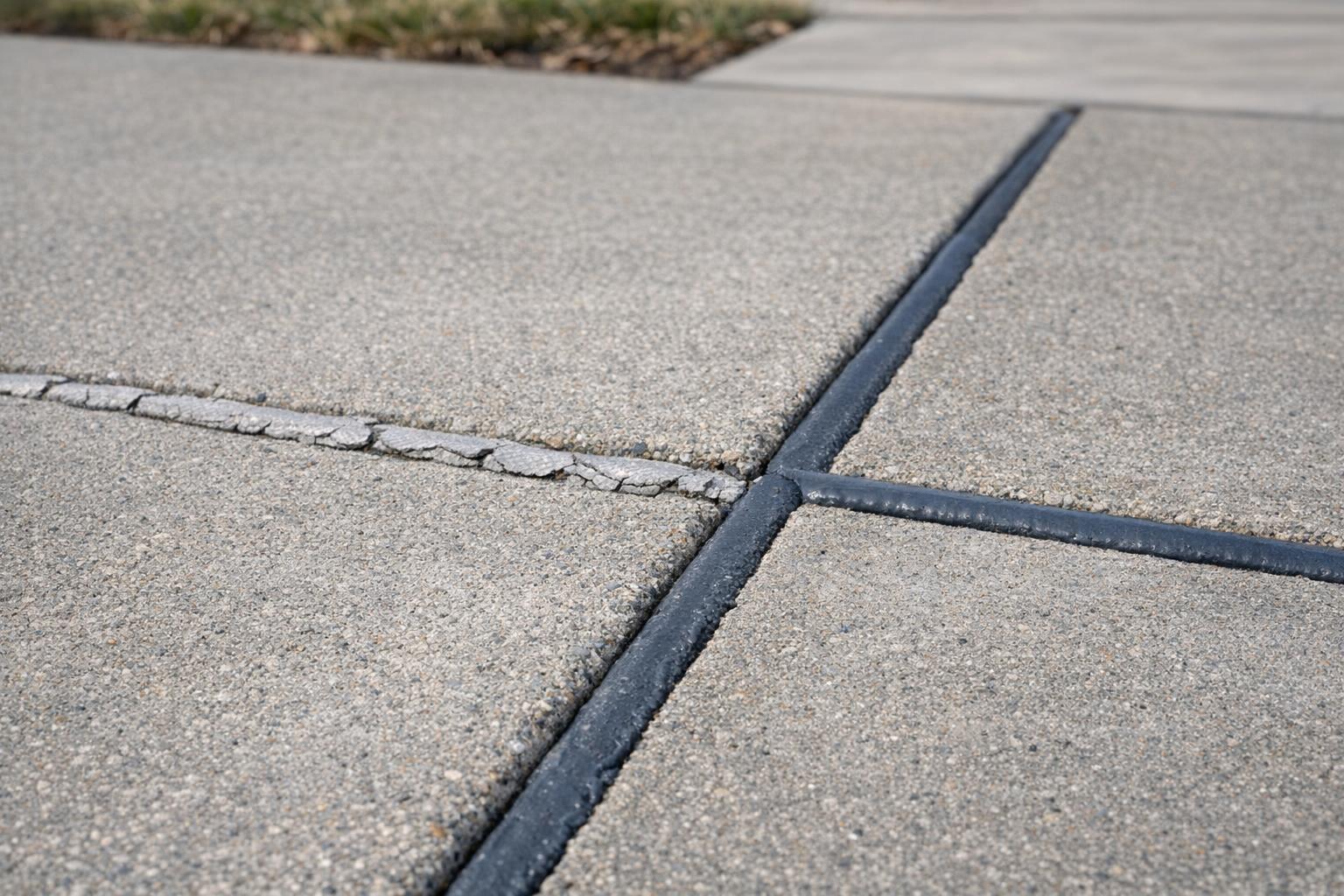
- Concrete is cracked/broken/damaged
- Concrete is older
- Damaged/sunken concrete covers a large area
- Foundational issues underneath the concrete
If you try to mudjack damaged or old concrete, you will likely leave yourself with a pile of rubble instead of a level slab. There’s no sense in trying to polish a turd if your concrete has seen better days, replacement is your best option.
If you need more help deciding between mudjacking or replacement, call AAA Concrete Raising today. They can scope out the condition of your concrete and the job and let you know if they can help you, or if you’re better off starting fresh with new concrete.