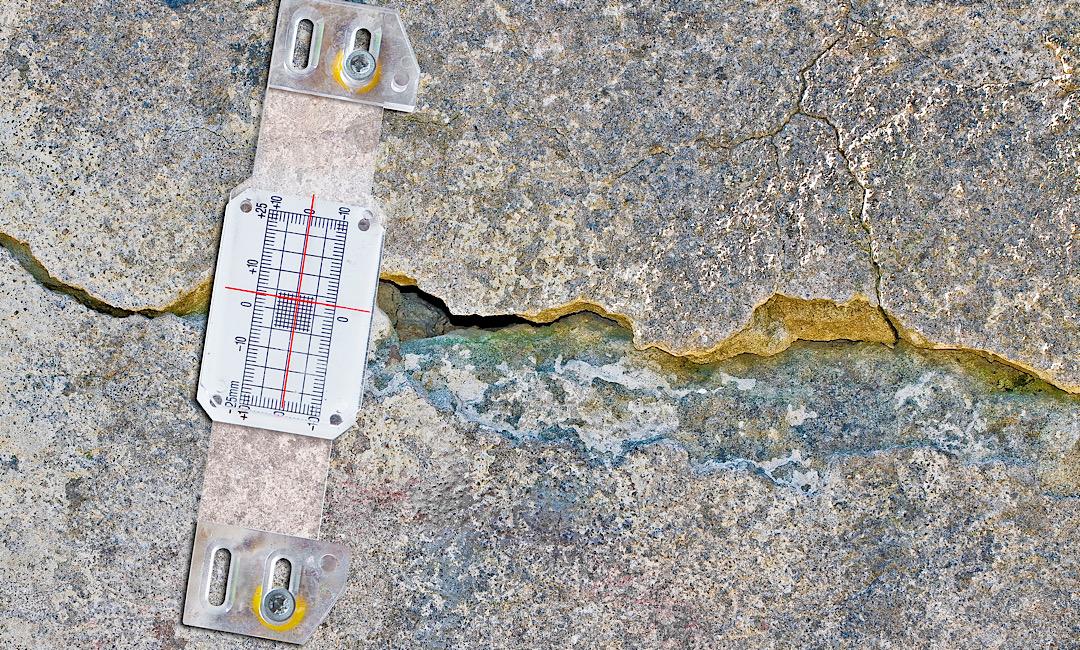
Identifying and Measuring Sunken Concrete Slabs
Uneven concrete is more than just an eyesore; it can be a serious trip hazard and a sign of underlying structural issues. For homeowners in Denver, seeing a sunken driveway, patio, or sidewalk is a common concern. The region’s unique soil composition and weather patterns create the perfect conditions for concrete settlement. Understanding how to measure this settlement is the first step toward finding a lasting solution and restoring your property’s safety and curb appeal.
Why Does Concrete Settle in the Denver Area?
Before you measure settlement, it helps to know what causes it. Concrete is incredibly durable, but it relies on the stability of the soil beneath it. When that soil base shifts or erodes, the heavy concrete slab above will sink and crack. In Denver and along the Front Range, a few key factors are usually at play:
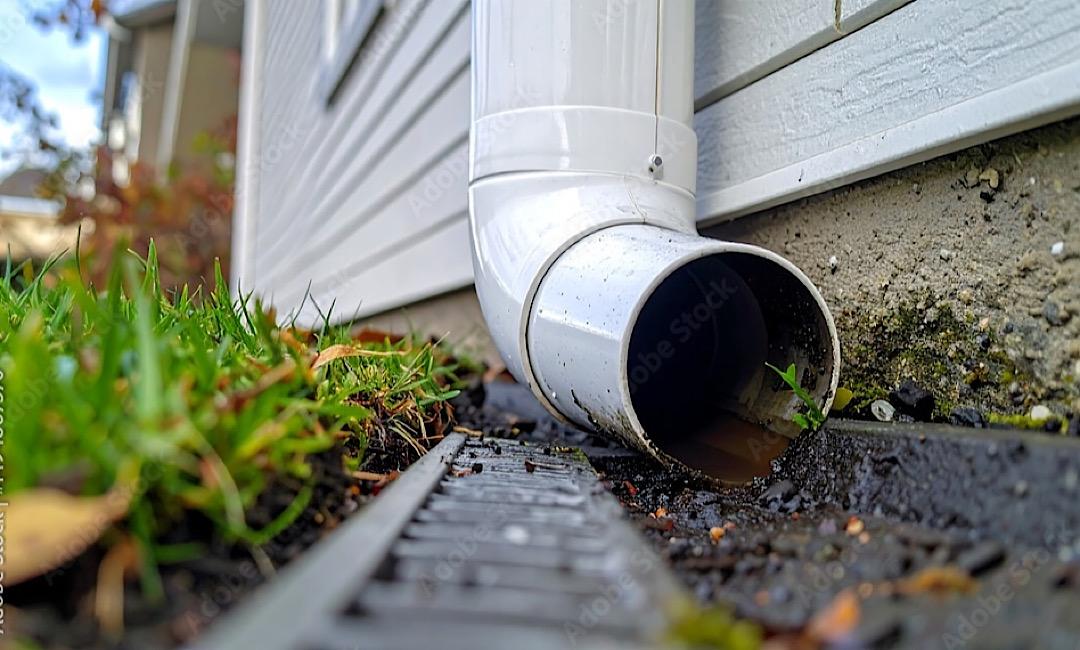
- Soil Erosion and Voids: Water is a primary culprit. Rainwater or melting snow can gradually wash away the soil supporting your concrete, creating empty spaces, or voids. Without a solid foundation, the slab will inevitably sink into these gaps. Addressing this often requires specialized void fill concrete solutions to restore the underlying support.
- Poor Compaction: When a home is built, the soil filled in around the foundation needs to be properly compacted. If this step is rushed, the soil will slowly compact on its own over the years, causing the concrete slabs poured on top—like patios, garage floors, and sidewalks—to settle.
- Expansive Clay Soils: Much of the Denver area has expansive clay soil. This type of soil acts like a sponge, swelling dramatically when it absorbs moisture and shrinking just as much when it dries out. This constant cycle of expansion and contraction compromises the stability of the ground, leading to uneven and shifting concrete slabs.
Simple Methods to Measure Concrete Settlement
You don’t need expensive equipment to determine the extent of your concrete settlement. With a few basic tools from your garage, you can get an accurate measurement. This will help you decide if it’s a minor issue or one that requires professional attention.
Method 1: The Visual Inspection
Start by simply looking at the area. A visual check can reveal a lot about the problem. Look for:
- Noticeable Slopes: Does your patio or walkway slope unnaturally towards your home’s foundation?
- Water Pooling: After it rains, does water collect in certain spots on your driveway or sidewalk? This indicates a low point where the slab has sunk.
- Uneven Joints: Check the expansion joints between concrete sections. A significant height difference from one slab to the next is a clear trip hazard and a sign of settlement. This is especially important for sidewalk and walkway leveling.
- Cracks: While not all cracks mean settlement, large, separating cracks often accompany sinking slabs.
Method 2: The Straightedge and Tape Measure
This is the most common and reliable DIY method for measuring settlement in smaller areas like patios or garage floors.
- Get a long, perfectly straight object. A 4-foot level, a metal ruler, or a straight 2×4 board works well.
- Lay the straightedge across the sunken area, resting it on the higher, stable sections of concrete on either side of the dip.
- Use a tape measure or ruler to measure the largest gap between the bottom of the straightedge and the surface of the sunken slab. This distance is the total amount of settlement.
- Take measurements in a few different spots to find the deepest point of settlement.
This method works perfectly for assessing the needs for patio leveling or garage floor repair.
Method 3: The String Line
For longer spans like a driveway, a string line provides a more accurate reference point than a straightedge.
- Pound two stakes into the ground on opposite ends of the settled section, ensuring they are on level, unaffected ground.
- Tie a string tightly between the two stakes, pulling it taut so it’s perfectly straight and level. Use a line level to be sure.
- Measure the distance from the string down to the surface of the concrete at several points along the sunken area. The largest measurement indicates the most severe settlement. This is a critical step in diagnosing issues that require professional driveway leveling.
What The Measurements Tell You
So, you have your numbers. What do they mean for your property?
- Minor Settlement (Under ½ inch): While it might be a cosmetic issue, it’s something to monitor. Even small height differences can be a trip hazard.
- Moderate Settlement (½ to 1 inch): This is a clear trip hazard and can lead to further damage. Water can pool and worsen the underlying soil issues, accelerating the problem.
- Severe Settlement (Over 1 inch): This indicates a significant problem with the subgrade. It presents a major safety risk, can affect your home’s foundation if the slab is adjacent to it, and can damage vehicles if it’s in a driveway or garage. Prompt professional intervention is highly recommended.
Have You Measured Your Concrete Settlement?
Don’t let sunken concrete compromise your property’s safety and value. AAA Concrete Raising specializes in mudjacking, a proven and effective method for lifting and stabilizing settled slabs right here in Denver. Let our family-owned team provide a lasting solution.
Frequently Asked Questions
While any settlement can be an issue, a height difference of half an inch or more between slabs is generally considered a trip hazard that should be addressed. For areas near your foundation or where drainage is critical, even smaller amounts of settlement warrant a professional inspection.
DIY fixes like patching or grinding are temporary and don’t address the root cause—the unstable soil underneath. True concrete leveling requires specialized equipment and expertise to lift the slab and stabilize the soil. Professional slabjacking services ensure a durable, long-term repair.
Yes, when done correctly, mudjacking is a very durable and long-lasting solution. It not only lifts the concrete but also fills the voids in the soil beneath it, creating a stable, solid base that prevents future sinking. It’s an ideal method for dealing with Denver’s challenging soil conditions.
Mudjacking is a minimally invasive process. We drill a few small, strategic holes in the sunken slab. Then, we pump a specialized slurry mixture through the holes. This slurry fills the voids, and the hydraulic pressure gently lifts the slab back to its original, level position. The holes are then patched, leaving your original concrete intact and ready for use quickly.
Glossary of Terms
- Concrete Settlement: The physical sinking or dropping of a concrete slab below its original intended height, typically caused by a loss of support from the underlying soil.
- Mudjacking (Slabjacking): A concrete repair method where a slurry material is hydraulically pumped beneath a sunken slab to fill voids, stabilize the soil, and lift the concrete back into place.
- Void: An empty space or cavity that forms in the soil base directly under a concrete slab, usually as a result of soil erosion or decomposition of organic material.
- Expansive Soils: Clay-based soils that undergo significant volume changes, expanding when wet and shrinking when dry. These are common in the Denver area and are a major contributor to concrete settlement.