Protecting Your Property from the Freeze-Thaw Cycle
Living in Denver means enjoying beautiful, sunny days that can quickly follow a significant snowfall. While this unique climate is part of our city’s charm, it creates a relentless freeze-thaw cycle that can be tough on your property’s concrete surfaces. When snow melts, the water doesn’t just disappear. It often seeps beneath your driveways, patios, and sidewalks, slowly washing away the soil base. This hidden erosion can lead to serious problems, including sunken, cracked, and uneven concrete that creates trip hazards and diminishes your home’s curb appeal.
Understanding how this process works is the first step toward protecting your investment. Over time, the damage caused by snowmelt can become a significant and costly issue. Fortunately, there are effective and efficient solutions to restore your concrete without the hassle and expense of a full replacement.
The Science Behind Snowmelt Damage
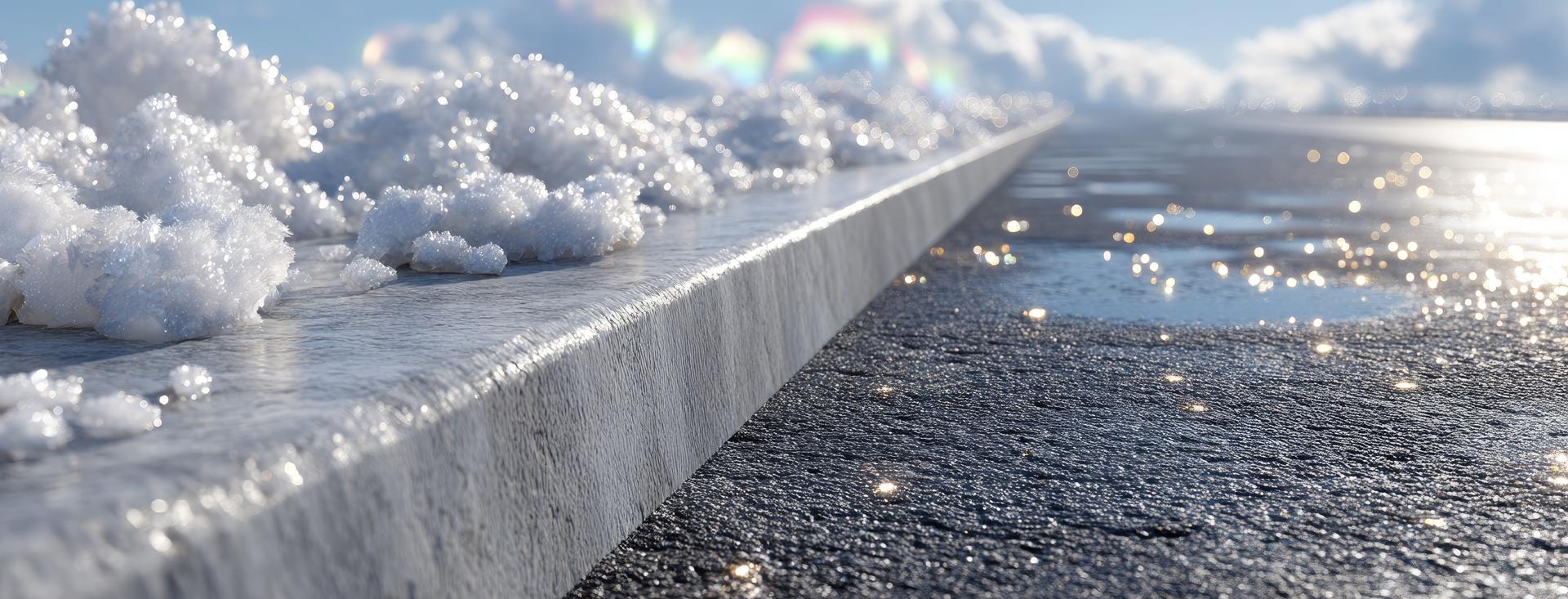
The problem begins when snow accumulates on and around your concrete slabs. As the strong Colorado sun melts the snow, water penetrates small cracks, joints, and edges of the concrete. This water saturates the soil base, or subgrade, that supports the slab. As temperatures drop overnight, this trapped water freezes and expands, pushing the slab upward. When it thaws, the slab settles back down.
This repeated cycle is damaging, but the real issue arises from water flow. Flowing meltwater can carry away particles of the soil subgrade, a process known as soil erosion. Over many seasons, this erosion creates empty spaces, or voids, beneath the concrete. Without a solid foundation, the heavy concrete slab is unsupported. Gravity takes over, causing the slab to sink, crack, and become unstable. This is where professional void fill and concrete repair services become essential to prevent further damage.
Signs Your Concrete Needs Professional Attention
It’s crucial to identify the warning signs of undermined concrete early. Addressing these issues promptly can save you from more extensive and expensive repairs down the road. Look for these common indicators around your property:
One slab is noticeably lower than an adjacent one, creating a dangerous trip hazard on your walkways or patio.
Rainwater or sprinkler runoff now collects in low spots on your driveway or sidewalks where it used to drain properly.
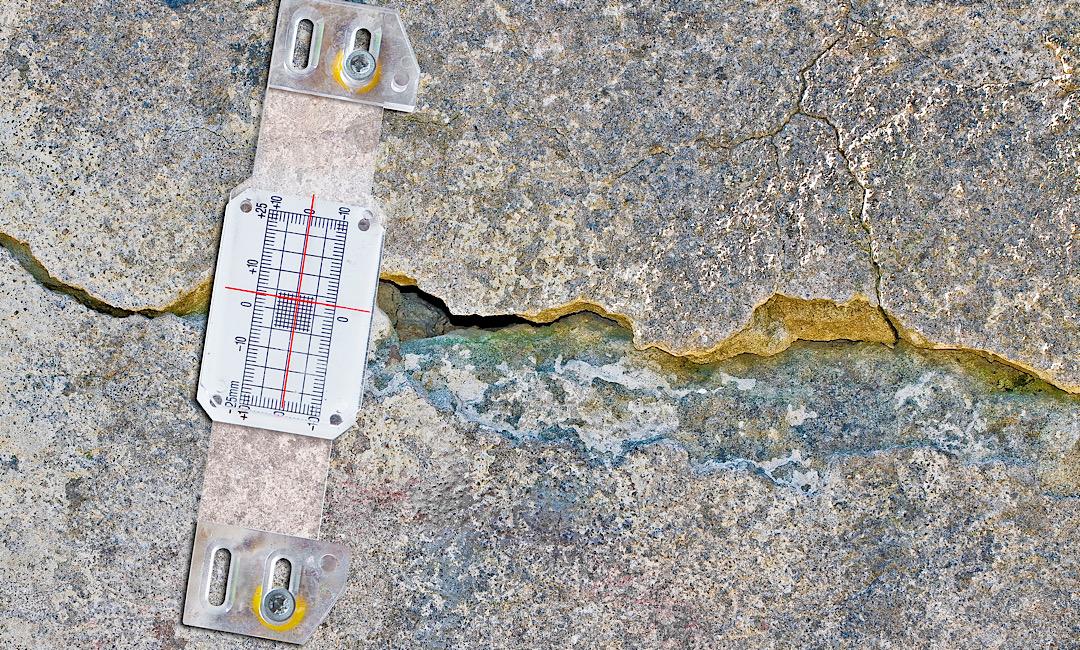
Hairline cracks are widening, or new, spiderweb-like cracks are appearing on the surface of your concrete.
Did You Know?
Much of the Denver metro area is built on expansive clay soil. This type of soil swells significantly when it absorbs water (like from snowmelt) and shrinks as it dries. This constant expansion and contraction puts immense stress on concrete slabs, making them particularly vulnerable to cracking and settling when voids are present.
A standard 4-inch thick concrete driveway can weigh over 40 pounds per square foot. When the soil beneath it is washed away, that immense weight is left completely unsupported, making cracking and sinking almost inevitable.
Mudjacking: The Superior Solution for Denver’s Climate
When you discover sunken concrete, you might think tearing it out and replacing it is the only option. However, there is a far more efficient, affordable, and less disruptive method: mudjacking. Also known as slabjacking, mudjacking is a proven technique that restores the integrity of your concrete by addressing the root cause of the problem—the unstable soil base.
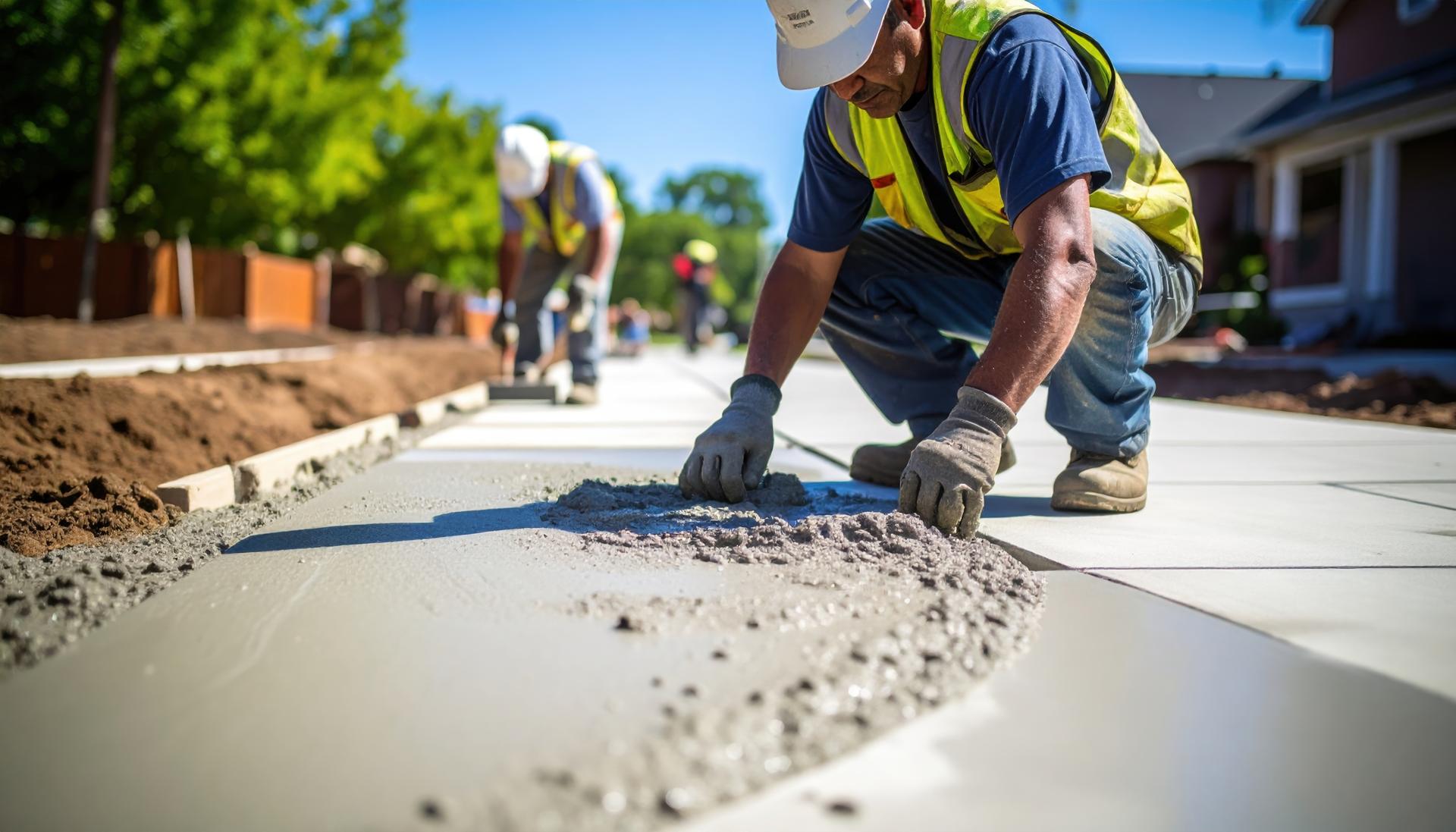
The process is straightforward. Our experienced technicians drill a few small, strategically placed holes in the sunken slab. We then pump a specialized slurry mixture through these holes, which flows into the voids beneath the concrete. This mixture fills the empty spaces and then, under hydraulic pressure, gently lifts the slab back to its original, level position. Once the process is complete, the holes are patched, leaving your concrete secure and ready for use in a matter of hours, not days.
Common Areas Affected by Snowmelt in Denver Properties
Driveways: Your driveway endures constant pressure from vehicles. A void underneath can quickly lead to major cracking and sinking. Our driveway leveling services restore its strength and appearance.
Sidewalks and Walkways: Uneven sidewalks are one of the most common trip hazards on a property. Professional sidewalk leveling ensures safety for your family and visitors.
Patios: A sunken patio can ruin the aesthetic of your outdoor living space and cause outdoor furniture to be unstable. We can restore your backyard oasis with expert patio leveling.
Garage and Basement Floors: Poor drainage around your foundation can lead to soil erosion under your garage or basement. Our garage floor leveling and basement floor repair services can correct these interior issues effectively.
Don’t Let Sinking Concrete Undermine Your Home’s Value
With over three decades of experience serving the Denver metro area, AAA Concrete Raising understands the unique challenges our climate presents. We are a family-owned business dedicated to providing a lasting solution that protects your property.
Frequently Asked Questions
Mudjacking is significantly more cost-effective, typically costing a fraction of the price of replacement. It’s also much faster—most jobs are completed in a few hours—and far less disruptive to your property and landscaping. Plus, it’s an environmentally friendlier choice as it salvages your existing concrete.
Most residential projects, such as leveling a driveway or sidewalk section, can be completed in just a few hours. You can walk on the surface almost immediately and drive on it within 4-6 hours.
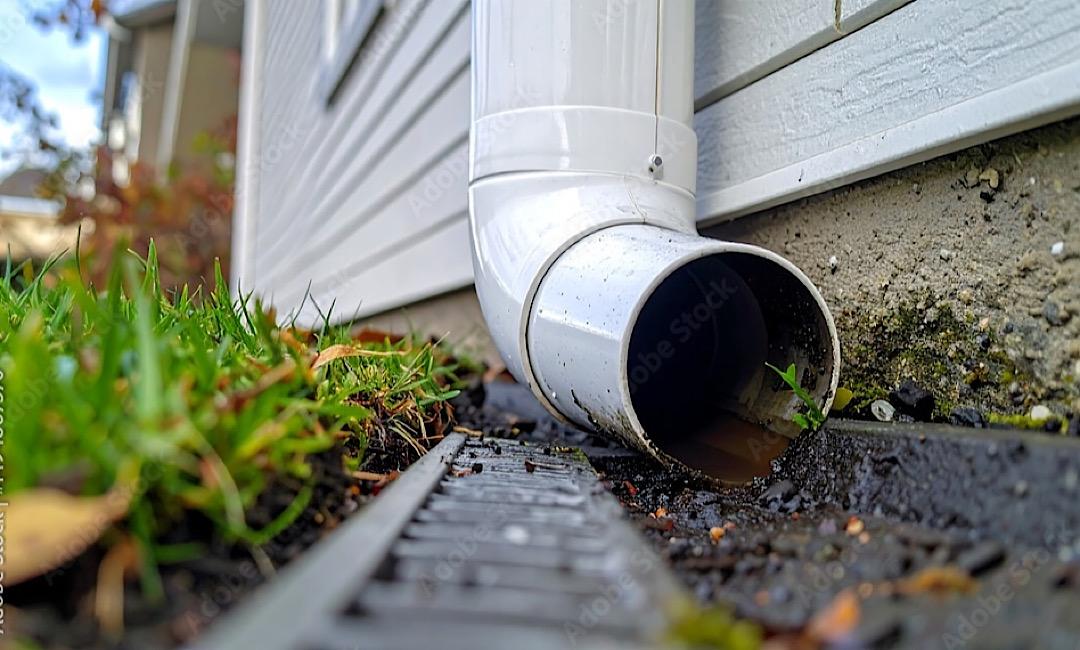
Yes, mudjacking provides a long-lasting and durable solution. By filling the voids with a dense, stable material, we create a solid subgrade that prevents future sinking. To further enhance longevity, it’s always wise to ensure proper drainage around the area by directing downspouts away from concrete slabs.
AAA Concrete Raising takes great care to keep the work area clean. We use small-diameter holes for injection, and our team ensures any residual material is cleaned up, leaving your property looking neat and tidy once the job is finished.
Key Concrete Terms
Mudjacking (or Slabjacking): A concrete repair method where a slurry is pumped beneath a sunken slab to fill voids and lift it back to its correct level.
Subgrade: The native soil or prepared layer of material that lies directly beneath a concrete slab, providing its foundational support.
Void: An empty space or cavity that forms in the subgrade under a concrete slab, usually due to soil erosion or settlement.
Freeze-Thaw Cycle: The cyclical process where water freezes, expands in volume, and then thaws. In climates like Denver’s, this cycle exerts significant pressure on concrete and the underlying soil.