A Simple Solution to a Costly Problem
Your home’s gutter and downspout system does more than just keep you dry. It’s the first line of defense against one of the biggest threats to your concrete surfaces: water. When water isn’t properly channeled away from your home’s foundation, it can lead to significant soil erosion, causing concrete driveways, patios, and sidewalks to sink and crack. This article explores how a simple, inexpensive addition—downspout extensions—can save Denver homeowners from the headache and expense of major concrete repairs.
Understanding the Enemy: Water and Soil Erosion
The soil around your Denver home, particularly the expansive clay soils common in the region, is highly susceptible to changes in moisture. When a downspout releases large volumes of rainwater directly at the base of your foundation, it saturates the ground. This oversaturation can lead to two major problems:
1. Soil Erosion and Voids
The constant flow of water washes away the soil supporting your concrete slabs. Over time, this erosion creates empty spaces, or voids, beneath the concrete. Without proper support, the heavy slab will eventually settle, sink, and crack under its own weight. If you’ve noticed pooling water or hollow sounds when you tap on your concrete, you might already have a void forming. Addressing these issues with professional void filling services is crucial to prevent further damage.
2. Soil Heave and Settling
Denver’s clay soil expands significantly when wet and shrinks as it dries. This constant cycle of expansion and contraction, known as heave, puts immense pressure on your concrete structures. When water pools near your foundation, it causes the soil to swell, pushing slabs upward. When it dries, the soil contracts, and the slab settles unevenly. This movement is a primary cause of cracked and unlevel surfaces, from your driveway to your basement floor.
The Simple, Effective Fix: Downspout Extensions
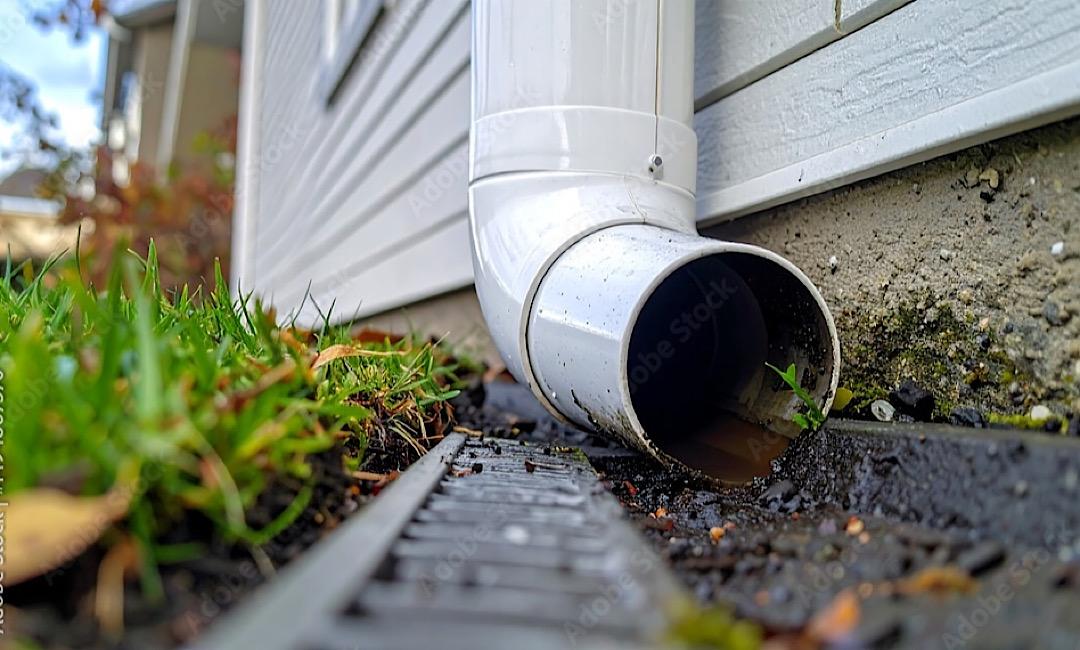
A downspout extension is an attachment that fits onto the end of your existing downspout, directing water much farther away from your foundation. It’s a proactive measure that prevents water from pooling and causing the soil erosion that leads to sinking concrete. By channeling water to a safe discharge point, you maintain the stability of the soil supporting your valuable concrete surfaces.
Key Best Practices for Downspout Management
- Extend Far Enough: The general rule of thumb is to extend downspouts at least 5 to 10 feet away from your home’s foundation. This ensures water is deposited in an area where it can be safely absorbed without compromising your concrete slabs.
- Consider the Grade: Ensure the ground slopes away from your foundation. Even with extensions, water can flow back if the grading is incorrect. The land should drop at least six inches over the first 10 feet away from your house.
- Keep Them Clear: Regularly check your gutters and downspouts for leaves, twigs, and other debris. Clogs can cause water to overflow and pool right next to the foundation, defeating the purpose of your drainage system.
- Choose the Right Type: Extensions come in various forms, from simple plastic conduits to more discreet underground drainage systems. Choose one that suits your landscape and effectively manages the water volume from your roof.
Signs It Might Be Too Late (and What to Do)
Sometimes, the damage is already done before a homeowner realizes the cause. If you’re seeing signs of sunken concrete, it’s time to call in professionals. Look for:
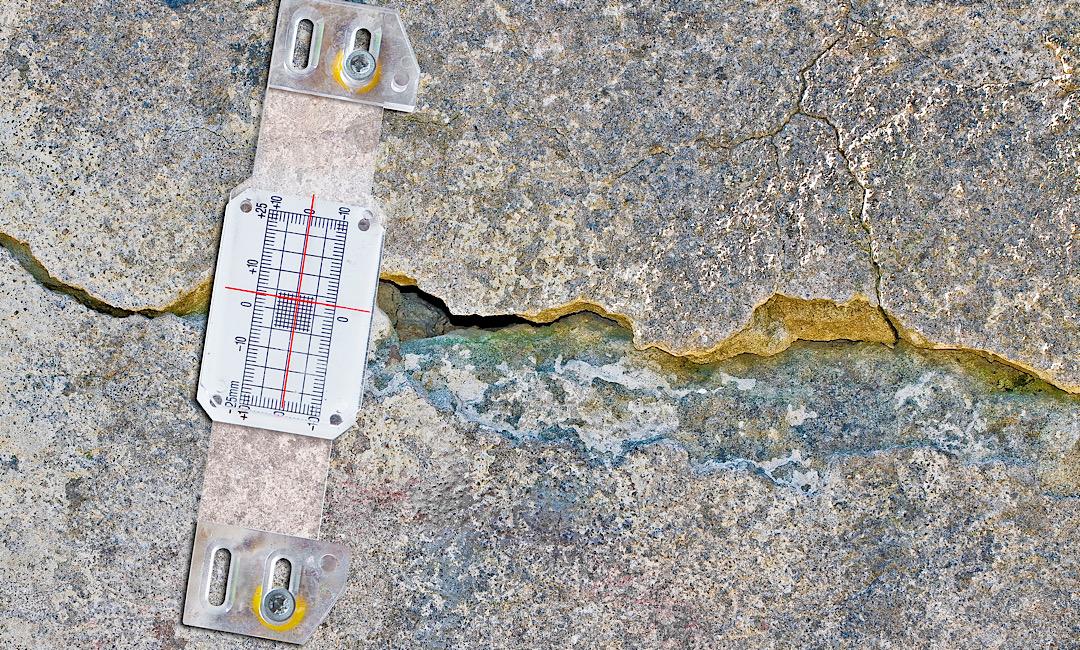
- Visible Cracks: Cracks in your driveway, sidewalk, or patio are often the first sign of trouble.
- Uneven Surfaces: A once-flat patio or sidewalk now has sections that are higher or lower than others, creating trip hazards.
- Water Pooling: Puddles that form on your concrete surfaces long after a storm has passed indicate low spots from sinking.
- Gaps: Noticeable gaps appearing between your concrete slabs and your home’s foundation.
- Sloping Garage Floor: A garage floor that has settled can cause issues with drainage and door alignment.
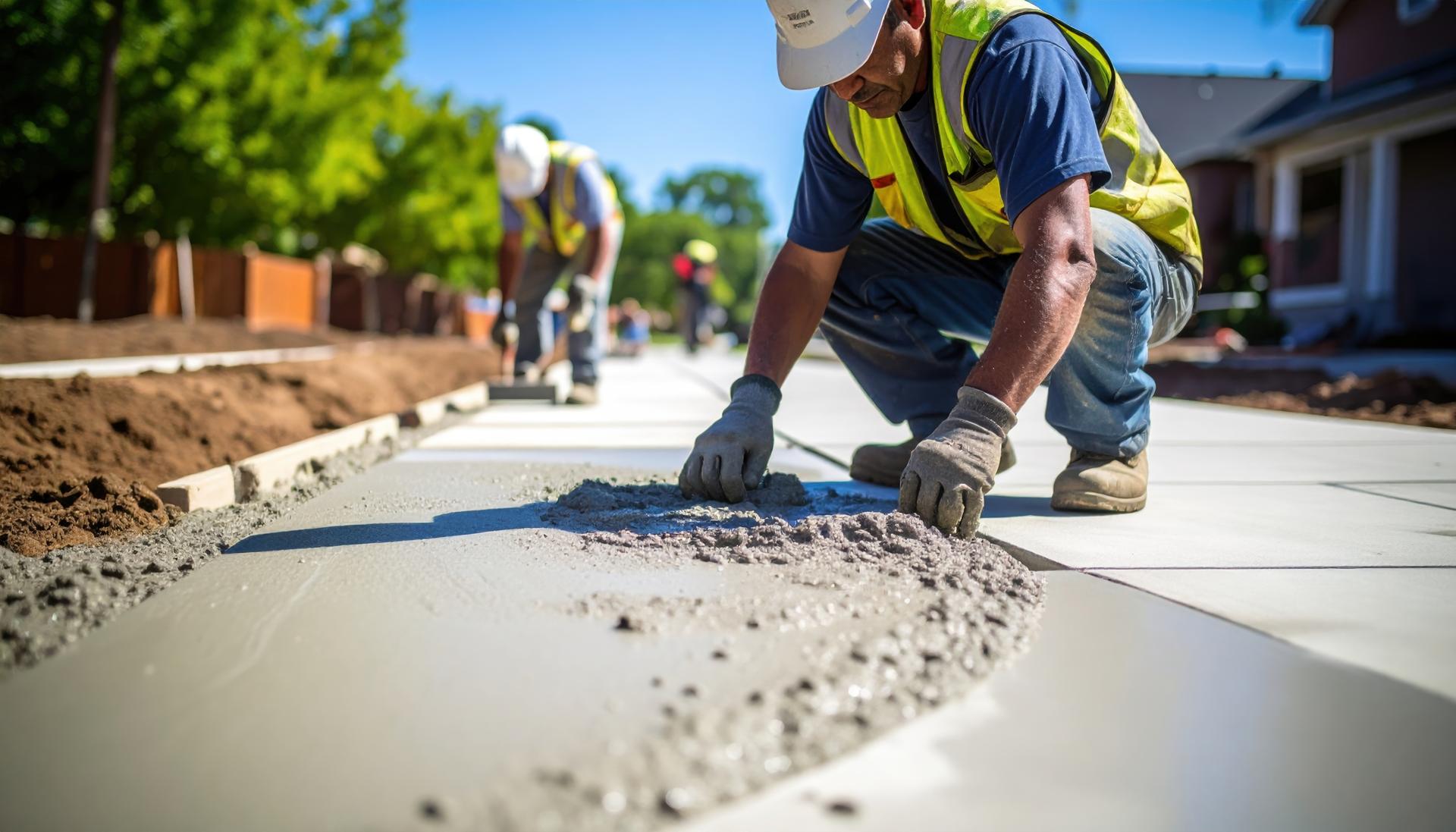
If you notice any of these issues, don’t despair. Sunken concrete doesn’t always need to be torn out and replaced. Techniques like mudjacking offer a cost-effective and minimally invasive solution to lift and level your existing slabs, restoring them to their original position and stability.
Did You Know?
One inch of rain falling on a 1,000-square-foot roof can produce over 600 gallons of water runoff. Without proper drainage, that’s 600 gallons of water saturating the soil directly around your home’s foundation from a single storm!
The Denver-Specific Challenge
Homeowners in Denver and along the Front Range face a unique set of challenges. The region’s freeze-thaw cycles, combined with expansive clay soil, can accelerate concrete damage. Water that seeps into small cracks can freeze, expand, and turn minor flaws into major problems. Intense summer thunderstorms can quickly dump massive amounts of water, overwhelming inadequate drainage systems. Properly managing water runoff with downspout extensions is not just a good idea—it’s an essential part of home maintenance in our climate.
Taking proactive steps to manage water runoff is the best way to protect your investment. By ensuring your downspouts effectively divert water away from your home, you preserve the structural integrity of your concrete and prevent the need for costly future repairs. For homeowners who already have sunken slabs, the experienced team at AAA Concrete Raising provides expert mudjacking services to restore safety and beauty to your property.
Restore Your Sunken Concrete
Have you noticed cracking, sinking, or uneven concrete around your property? Don’t wait for the problem to get worse. AAA Concrete Raising has been serving the Denver metro area since 1988 with reliable concrete leveling solutions.
Frequently Asked Questions
How do I know if my downspouts are the cause of my concrete sinking?
Check where your downspouts discharge water during a rainstorm. If water is pooling within a few feet of your concrete slabs or foundation, they are likely a contributing factor. Also, look for signs of soil erosion, like washed-out mulch or dirt channels leading from the downspout.
Can I just replace the sunken concrete slab?
Replacement is an option, but it’s often more expensive, time-consuming, and disruptive than repair. If the underlying soil problem isn’t fixed, the new slab is likely to sink as well. Mudjacking (or slabjacking) corrects the root cause by filling soil voids and stabilizing the ground before lifting the slab back into place.
What is mudjacking?
Mudjacking is a concrete leveling technique where a specialized slurry mixture is pumped through small holes drilled in a sunken concrete slab. This mixture fills any voids underneath, hydraulically lifting the slab back to its original, level position. It is a proven and effective method for repairing everything from sidewalks to basement floors.
How long do downspout extensions need to be?
For most homes in the Denver area, extensions should carry water at least 5-10 feet away from the foundation. The ideal distance depends on your property’s slope and soil type. The goal is to deposit the water where it will drain away from the house and not toward any concrete surfaces.