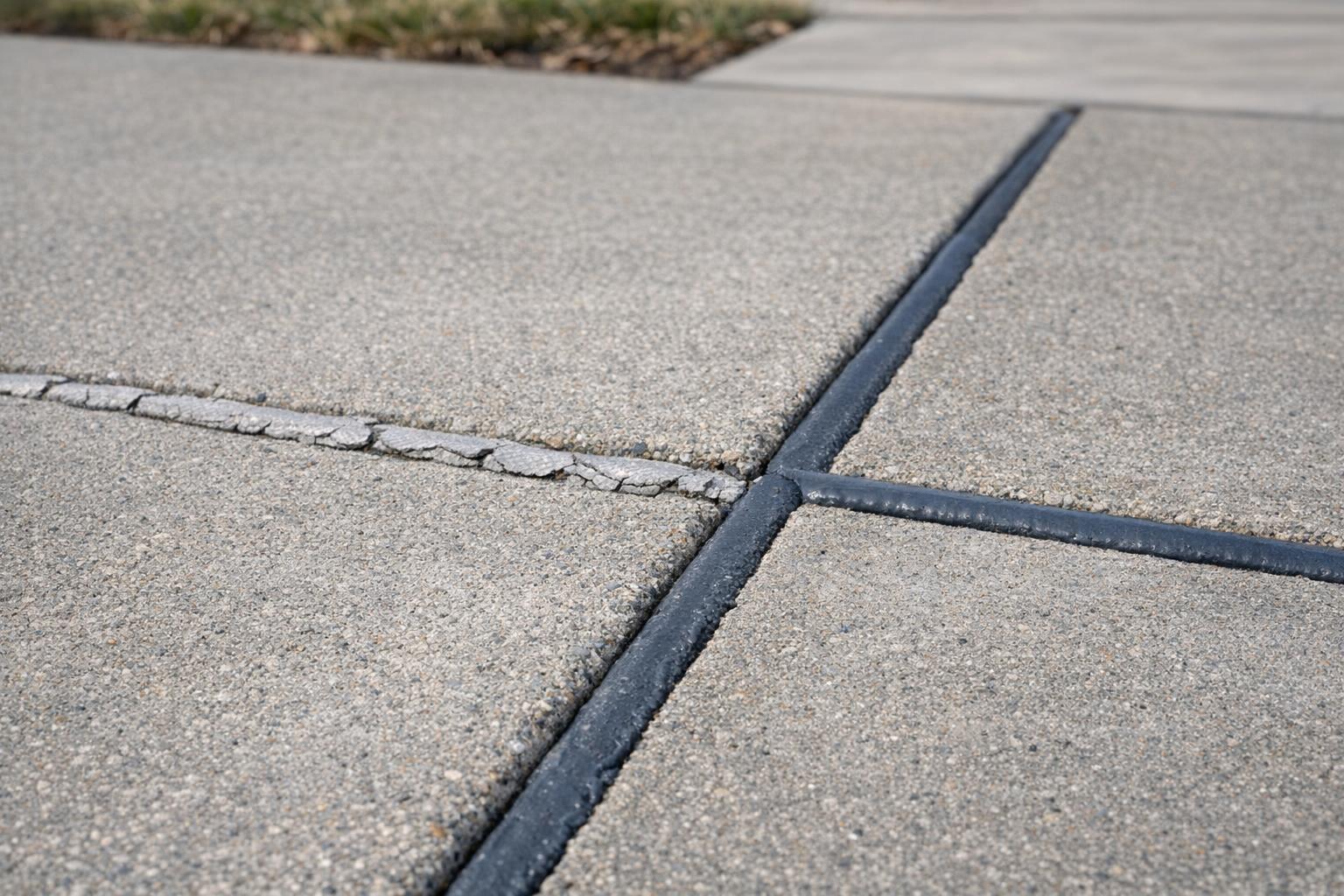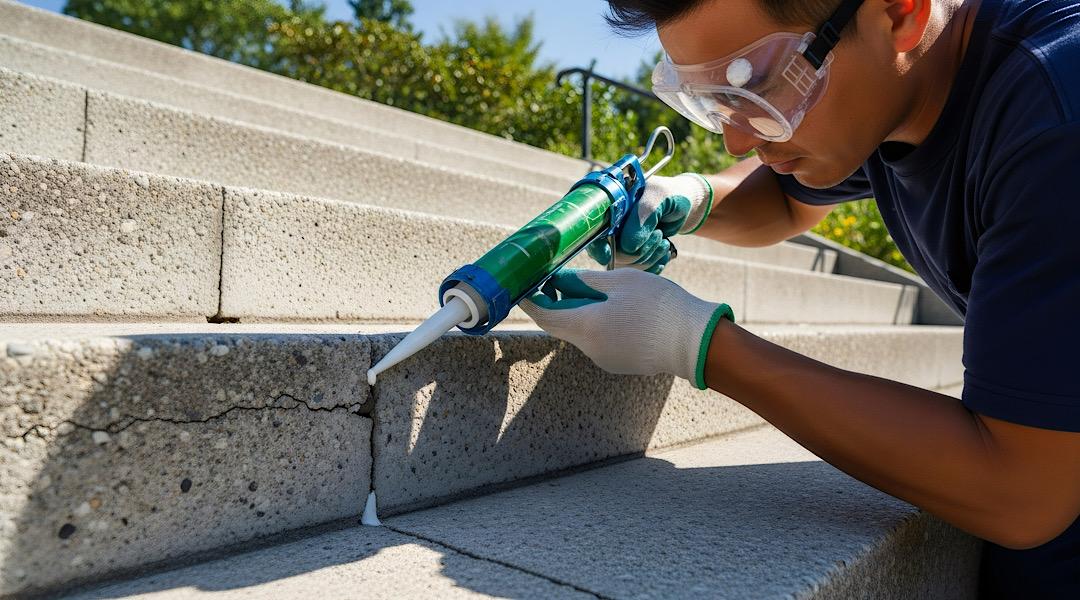
At some point on a leisurely walk through your neighborhood, or even after a long winter of heavy snow, you’ve probably seen cracked or broken concrete slabs in the sidewalk or driveways around your neighborhood. Over time, soil and dirt beneath the surface of concrete slabs often shifts or washes away. Settling foundations, crumbling curbs, and fallen sidewalks will all result in cracked or broken cement.
So, What is Mudjacking?
Mudjacking is the process of lifting a concrete slab by pumping water, dirt and cement mixtures into the area beneath it. Concrete will sink or settle differently depending on where it is poured, how it is installed, and the condition of the foundation underneath it. Dirt that is not properly compacted will cause the concrete slab above it to settle after just a few years.
Soil erosion is fairly common, and another large contributor to fallen, sinking or broken concrete slabs. The earth’s surface naturally settles over time, so the natural progression of erosion, settling, shifting and washing away is likely the cause of tilting or sinking in older concrete. Displaced concrete can present walking hazards, unwanted water runoff, or major foundation issues.
Why Lift Concrete Instead of Replace?
Lifting concrete that has fallen as a result of shifting soil and dirt is an effective and inexpensive solution to repairing cracked and broken slabs. Small holes are initially drilled into the slab that needs to be lifted. A mixture of cement, water, and dirt that is called slurry, which is pumped into the holes under pressure. Once the gaps are filled, the pressurized slurry hydraulically raises the slab to the desired height, before filling the holes with a concrete mixture.
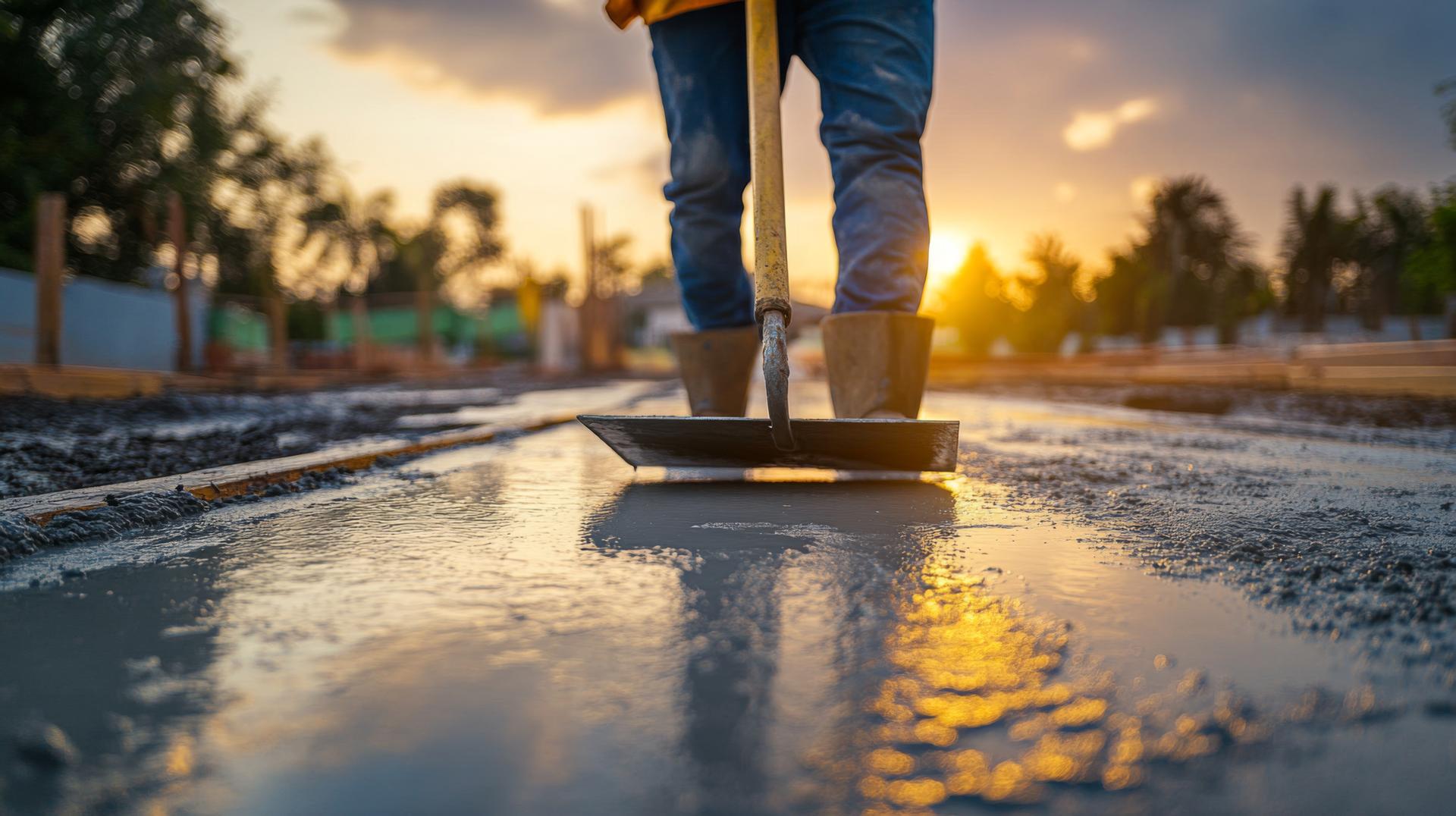
Lifting fallen concrete with mudjacking techniques only takes a matter of minutes. Replacing concrete slabs requires tearing up the existing cement, compacting the underlying foundation, mixing new cement and pouring it with heavy machinery, before leveling it to create a new slab. The process of replacing concrete takes a lot more manpower, and the cost of materials, supplies, and labor can add up fast.
Only experienced mudjacking professionals like AAA Concrete Raising should perform lifting procedures to avoid creating greater damage to the concrete.